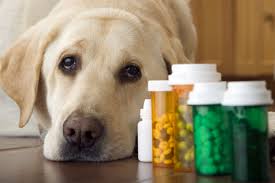
Dogs are susceptible to a variety of infections, ranging from minor skin irritations to serious internal bacterial or fungal infections. As a responsible pet owner, understanding infection medicine for dogs, including treatment options, proper usage, and safety precautions, is essential for your furry friend’s health. This guide will help you navigate the different types of infection medicines, recognize the signs of infections, and ensure your dog receives the proper care.
Understanding Infections in Dogs
Infections in dogs can be caused by bacteria, viruses, fungi, or parasites. The type of infection determines the treatment approach. For example:
-
Bacterial infections: Often treated with antibiotics. Common examples include skin infections, urinary tract infections, and respiratory infections.
-
Fungal infections: Treated with antifungal medications. These may affect the skin, ears, or internal organs.
-
Parasitic infections: Certain parasites, like Giardia, may require specific anti-parasitic medications.
It’s important to note that not all infections require the same medicine, and giving the wrong type can worsen the condition. Always consult a veterinarian before starting any treatment.
Common Signs of Infection in Dogs
Recognizing infection early is crucial. Some signs that your dog may need infection medicine include:
-
Persistent fever or lethargy
-
Red, swollen, or painful skin areas
-
Pus, discharge, or foul odor from wounds or ears
-
Frequent urination or discomfort while urinating
-
Coughing, sneezing, or difficulty breathing
-
Loss of appetite or sudden behavioral changes
If your dog exhibits any of these symptoms, it’s time to seek veterinary care. Delaying treatment can lead to complications and prolonged illness.
Types of Infection Medicine for Dogs
There are several categories of infection medicine used to treat dogs:
1. Antibiotics
Antibiotics are the most common medicines for bacterial infections. They work by killing bacteria or preventing their growth. Some commonly prescribed antibiotics for dogs include:
-
Amoxicillin: Used for skin, dental, and urinary tract infections
-
Cephalexin: Treats skin infections, post-surgical wounds, and abscesses
-
Clindamycin: Effective for dental infections, bone infections, and resistant bacteria
Dosage and duration depend on the type of infection, your dog’s weight, and health status. Always follow the veterinarian’s instructions to prevent antibiotic resistance.
2. Antifungal Medications
Fungal infections in dogs often affect the skin, ears, or nails. Common antifungal medicines include:
-
Ketoconazole: Treats skin infections caused by yeast or fungi
-
Itraconazole: Used for systemic fungal infections
-
Miconazole: Often applied topically for ear or skin infections
Antifungal treatment may take longer than antibiotics, and consistent dosing is crucial for effective results.
3. Anti-Parasitic Medications
Parasites like Giardia, ticks, or fleas can cause infections in dogs. Anti-parasitic medicines may include:
-
Metronidazole: Treats Giardia and some intestinal infections
-
Flea and tick medications: Prevent infestations that can lead to secondary infections
Preventive care, such as regular deworming and parasite control, reduces the risk of these infections.
Tips for Using Infection Medicine Safely
Using infection medicine for dogs correctly ensures treatment success and prevents complications.
-
Follow the Vet’s Prescription
Always administer the full course of medicine as prescribed. Stopping treatment early may allow the infection to return or lead to antibiotic resistance. -
Monitor for Side Effects
Common side effects include vomiting, diarrhea, or decreased appetite. Severe reactions, such as swelling, hives, or difficulty breathing, require immediate veterinary attention. -
Avoid Human Medications
Never give your dog antibiotics or antifungals prescribed for humans unless directed by a veterinarian. Many human medications are toxic to dogs. -
Store Medicines Properly
Some infection medicines require refrigeration, while others should be stored at room temperature. Proper storage maintains the medicine’s effectiveness. -
Track Medication Interactions
Inform your vet about all medications and supplements your dog is taking, as some drugs can interact and reduce effectiveness or cause harm.
Preventing Infections in Dogs
While infection medicines are essential for treatment, prevention is always better than cure. Steps to reduce infection risk include:
-
Regular Grooming: Keeps skin clean and prevents hotspots or bacterial growth
-
Clean Living Environment: Reduces exposure to harmful bacteria, fungi, and parasites
-
Balanced Diet: Supports a healthy immune system and faster recovery
-
Vaccinations: Protect against viral infections that can weaken your dog’s immunity
-
Prompt Care for Wounds: Clean cuts and scratches immediately to prevent infections
By maintaining hygiene, nutrition, and routine veterinary care, you can minimize the chances of your dog needing infection medicine.
When to Contact a Veterinarian
Seek veterinary attention if:
-
Symptoms persist or worsen despite medication
-
Your dog develops severe side effects
-
There are recurrent infections, indicating an underlying health issue
-
You are unsure about the correct medicine or dosage
Veterinarians may perform tests such as bacterial cultures, blood work, or imaging to determine the best course of treatment. This ensures that your dog receives the most effective and safe medicine.
Frequently Asked Questions (FAQ)
Q: Can I give my dog leftover infection medicine?
A: No. Using leftover medicine may be inappropriate for your dog’s condition and can lead to treatment failure or resistance.
Q: How long does it take for infection medicine to work?
A: Depending on the infection type, dogs may show improvement within a few days, but completing the full course is critical.
Q: Are there natural alternatives to infection medicine?
A: Some natural remedies can support immunity, but antibiotics or antifungals are necessary for bacterial or fungal infections. Always consult a veterinarian.
Q: Can puppies or senior dogs take infection medicine?
A: Yes, but doses must be adjusted based on age, weight, and health conditions. Your vet will determine the safest and most effective dosage.
Conclusion
Infections in dogs can range from mild to life-threatening, making infection medicine a vital part of veterinary care. Understanding the types of medicines, proper dosages, safety precautions, and preventive measures ensures that your dog receives effective treatment and recovers quickly.