Introduction: Why Businesses Are Rethinking ERP in the Cloud Era
Enterprise Resource Planning is no longer a tool reserved for large corporations with deep pockets. Today, even small and mid-sized businesses expect the same level of operational clarity, automation, and control that global enterprises enjoy. This shift has pushed organizations to look beyond rigid, expensive ERP systems and explore flexible, future-ready alternatives.
That is where ERPNext Solutions enter the conversation.
ERPNext has steadily gained attention as a powerful open source ERP software that combines accounting, inventory management, manufacturing, CRM, HR, and even learning systems under one unified platform. In India especially, where businesses demand affordability, scalability, and localization, ERPNext is increasingly viewed as one of the best ERP software options available.
In this in-depth guide, you will learn
- What ERPNext Software is and how it works
- Why ERPNext Solutions are relevant for Indian businesses
- How ERPNext supports manufacturing, inventory, accounting, CRM, and LMS needs
- Real-world use cases and practical benefits
- ERPNext vs Odoo in simple terms
- Key considerations around ERPNext pricing, implementation, customization, and hosting
This article is written to help business owners, managers, and decision-makers understand ERPNext without technical jargon or marketing noise.
Understanding ERPNext Software in Simple Terms
ERPNext Software is an open source ERP system designed to help businesses manage their core operations from a single platform. Instead of using separate tools for accounting, inventory, sales, HR, manufacturing, and training, ERPNext brings everything together.
At its core, ERPNext is built to answer one question
How can businesses run more efficiently with complete visibility and control?
Unlike traditional ERP systems that are rigid and expensive, ERPNext is flexible by design. Businesses can start small and scale gradually, adding modules as their needs grow.
ERPNext is widely adopted across industries including manufacturing, trading, retail, education, healthcare, and service-based companies. Its popularity in ERP Software India continues to grow because it aligns well with local business practices, GST compliance, and cloud-first adoption.
Why ERPNext Solutions Matter for Indian Businesses
Indian businesses operate in a unique environment. They require ERP systems that are
- Cost-effective
- Adaptable to GST and compliance norms
- Easy to customize
- Scalable for growth
- Available with reliable local support
ERPNext Solutions meet these expectations naturally.
Being an open source ERP India solution, ERPNext reduces licensing costs and avoids vendor lock-in. Businesses retain control over their data and system roadmap.
Cloud deployment further enhances accessibility. With Cloud ERP software, teams can access real-time data from anywhere, whether they are in the office, factory floor, or working remotely.
This combination of openness, affordability, and cloud readiness makes ERPNext a strong contender for businesses looking for the best ERP in India.
ERPNext as an Inventory Management System
Inventory is the backbone of many businesses. Poor inventory visibility often leads to stockouts, overstocking, delayed deliveries, and revenue loss.
ERPNext functions as a robust Inventory Management System by offering
- Real-time stock tracking
- Multi-warehouse management
- Batch and serial number tracking
- Automated stock valuation
- Seamless integration with sales and purchase workflows
Businesses can track inventory movement at every stage, from procurement to delivery. For growing companies, this level of control is essential to maintain margins and customer trust.
ERPNext inventory features are especially valuable for trading firms, distributors, and retail chains operating across multiple locations.
Manufacturing ERP Capabilities of ERPNext
Manufacturing businesses face complex challenges such as production planning, raw material tracking, quality control, and cost management.
ERPNext is widely recognized as a reliable Manufacturing ERP and ERP for manufacturing businesses because it supports
- Bill of Materials management
- Production planning and scheduling
- Work orders and job cards
- Material requirement planning
- Quality inspections
- Manufacturing cost analysis
Whether you are a small manufacturing unit or a growing industrial operation, ERPNext adapts to your scale. It helps manufacturers gain clarity over production efficiency, wastage, and profitability.
This makes ERPNext one of the most practical ERP software for business owners in manufacturing sectors.
Accounting ERP That Aligns With Indian Compliance
Accounting is one of the strongest pillars of ERPNext.
As an Accounting ERP, ERPNext supports
- General ledger and chart of accounts
- Accounts payable and receivable
- Bank reconciliation
- GST compliance and reporting
- Financial statements and audit-ready reports
Indian businesses benefit from localized accounting features that align with statutory requirements. ERPNext accounting reduces dependency on multiple tools and ensures financial data remains accurate and consistent across departments.
For SMEs and startups, this is particularly valuable because it reduces errors and improves financial discipline from day one.
ERPNext CRM for Sales and Customer Relationships
Customer relationships drive revenue. ERPNext CRM integrates seamlessly with inventory, accounting, and sales modules, enabling businesses to manage the entire customer lifecycle.
Key capabilities of ERPNext CRM include
- Lead and opportunity management
- Sales pipeline tracking
- Customer communication history
- Quotation and order management
- Sales performance insights
This integration ensures that sales teams operate with accurate data, improving conversion rates and customer satisfaction.
ERPNext Modules That Cover the Entire Business Lifecycle
One of ERPNext’s biggest strengths lies in its modular architecture.
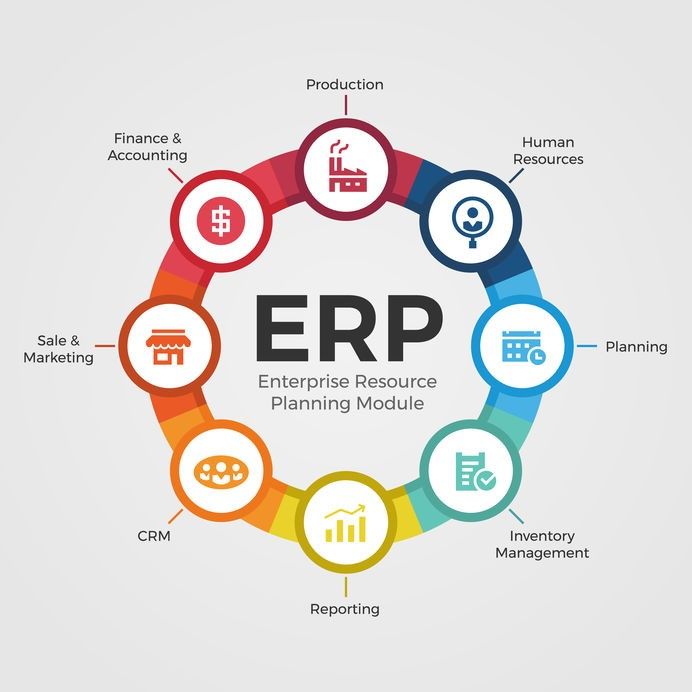
ERPNext Modules include
- Accounting
- Inventory
- Manufacturing
- CRM and Sales
- HR and Payroll
- Projects
- Assets
- Support and Helpdesk
- Website and eCommerce
- Learning and Course Management
Businesses can activate only the modules they need, keeping the system lean and efficient. This modular approach supports both ERP for small business and enterprise-level operations.
ERPNext as a Learning and Training Platform
Beyond traditional ERP functions, ERPNext also includes powerful learning capabilities.
Organizations can build internal training ecosystems using
- Course builder
- Training hub
- Course portals
- Online assessments
- Learning automation tools
This positions ERPNext as more than an ERP. It becomes a learning suite, training LMS, and skill platform integrated directly into business operations.
For HR and training teams, this unified approach eliminates the need for separate LMS software and ensures employee learning aligns with organizational goals.
Cloud ERP and Mobile ERP Software Advantages
Modern businesses are increasingly mobile and remote.
ERPNext supports
- Cloud ERP System deployment
- Secure remote access
- Mobile ERP software usage
- Real-time dashboards and reports
With Cloud ERP India adoption accelerating, ERPNext enables businesses to stay connected without heavy infrastructure investments. Cloud hosting ensures scalability, data security, and ease of maintenance.
ERPNext Implementation and Customization
Successful ERP adoption depends on proper implementation.
ERPNext Implementation involves
- Business process analysis
- System configuration
- Data migration
- User training
- Go-live support
ERPNext also offers deep ERPNext Customization options. Businesses can tailor workflows, reports, dashboards, and integrations without compromising system stability.
This flexibility is one of the reasons ERPNext is preferred by companies seeking a balance between structure and adaptability.
ERPNext Integrations for a Connected Ecosystem
No business operates in isolation.
ERPNext supports integrations with
- Payment gateways
- E-commerce platforms
- Banking systems
- Third-party tools and APIs
These ERPNext integrations ensure data flows smoothly across systems, reducing manual work and improving decision-making.
ERPNext vs Odoo: A Practical Comparison
The comparison between ERPNext vs Odoo is common among businesses exploring open source ERP systems.
ERPNext is often favored for
- Simpler interface
- Stronger accounting and manufacturing focus
- Easier customization
- Lower total cost of ownership
Odoo, on the other hand, offers a larger app ecosystem but may require more licensing and configuration complexity.
The right choice depends on business needs, but ERPNext is widely regarded as a more straightforward and cost-effective solution for Indian SMEs.
ERPNext Pricing and Hosting Considerations
ERPNext Pricing is flexible because the software itself is open source.
Costs typically involve
- Hosting
- Implementation
- Customization
- Support and maintenance
Businesses can choose between self-hosting or ERPNext Cloud Hosting based on their technical comfort and scalability needs.
Reliable hosting and support are critical to ensure performance and data security.
Role of a Trusted ERPNext Partner
Working with an experienced ERP software company in India simplifies ERP adoption.
Organizations like Stackerbee Technologies focus on delivering practical ERPNext Solutions tailored to real business workflows rather than one-size-fits-all deployments.
A knowledgeable partner helps businesses
- Avoid implementation pitfalls
- Align ERP with growth strategy
- Ensure long-term system stability
Real-World Use Case: ERPNext for a Growing Manufacturer
Consider a mid-sized manufacturing business struggling with disconnected systems. Inventory was tracked manually, accounting was handled separately, and production planning lacked visibility.
After implementing ERPNext
- Inventory accuracy improved significantly
- Production planning became data-driven
- Accounting reports were generated instantly
- Management gained real-time insights
This transformation illustrates how ERPNext supports operational discipline without overwhelming complexity.
Pros and Cons of ERPNext Software
Pros
- Open source and cost-effective
- Modular and scalable
- Strong accounting and manufacturing features
- Cloud and mobile-friendly
- Ideal ERP for SMEs
Cons
- Requires proper implementation expertise
- Customization needs skilled partners
- Not ideal for businesses seeking plug-and-play solutions
Frequently Asked Questions
Is ERPNext suitable for small businesses
Yes. ERPNext is one of the best ERP software options for small and growing businesses due to its modular structure and affordability.
Is ERPNext cloud-based
ERPNext supports both cloud and on-premise deployments, making it a flexible Cloud ERP solution.
Can ERPNext replace accounting and LMS software
Yes. ERPNext accounting and learning modules can replace standalone accounting ERP and LMS tools for many organizations.
Is ERPNext used in India
ERPNext India adoption is strong across manufacturing, trading, education, and service sectors.
Conclusion: Is ERPNext the Future-Ready ERP for Your Business
ERPNext Solutions represent a thoughtful blend of tradition and innovation. They respect established business processes while embracing cloud technology, automation, and openness.
For Indian businesses seeking a reliable, scalable, and transparent ERP system, ERPNext stands out as a practical choice. Its ability to unify operations, learning, and decision-making under one platform makes it a long-term asset rather than just another software tool.
If you are exploring ERP software for business growth, ERPNext deserves serious consideration.