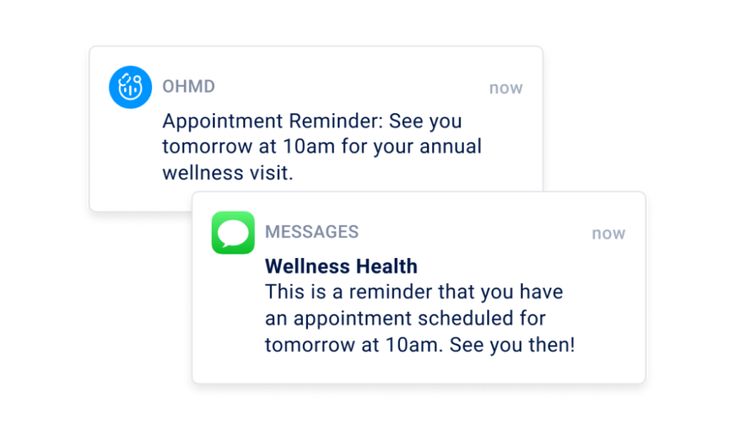
Ensuring patients adhere to their scheduled appointments is crucial for maintaining efficient operations and providing quality care. Missed appointments lead to wasted resources, delayed treatments, and financial losses for healthcare providers. Patient appointment reminders have emerged as a powerful tool to reduce no-show rates, improve patient engagement, and streamline scheduling processes.
The Importance of Patient Appointment Reminders
Missed appointments not only affect a patient’s health but also disrupt workflow for healthcare providers. Studies have shown that appointment no-shows can result in significant revenue loss and lower patient satisfaction levels. By implementing automated patient appointment reminders, healthcare providers can ensure better adherence to scheduled visits, leading to improved health outcomes and operational efficiency.
How Patient Appointment Reminders Work
Modern patient scheduling software integrates automated reminder systems that notify patients about upcoming appointments through various communication channels such as:
- SMS Text Messages – Quick, direct, and widely used for effective patient outreach.
- Email Notifications – Providing detailed appointment information along with necessary instructions.
- Phone Calls – Offering a personalized touch, especially useful for elderly patients.
- Mobile App Alerts – Enabling real-time updates and confirmations.
These reminders can be customized based on patient preferences, ensuring a seamless and personalized experience.
Key Benefits of Patient Appointment Reminders
1. Reduced No-Show Rates
Automated reminders help patients remember their scheduled visits, reducing the likelihood of missed appointments. This ensures continuity of care and improves patient outcomes.
2. Enhanced Patient Engagement
A well-implemented patient engagement software fosters stronger communication between healthcare providers and patients. Reminders not only alert patients about upcoming visits but also encourage them to confirm, reschedule, or cancel appointments as needed.
3. Increased Operational Efficiency
With the integration of online patient scheduling and reminder systems, administrative staff spend less time making manual reminder calls, allowing them to focus on other essential tasks.
4. Improved Revenue and Resource Utilization
Missed appointments lead to revenue loss and underutilized staff time. By reducing no-shows, healthcare scheduling platforms help optimize resources and enhance financial sustainability for healthcare facilities.
5. Personalized Patient Experience
Modern patient experience platforms offer tailored reminders based on a patient’s language, preferred communication method, and medical history, ensuring a personalized and convenient experience.
Best Practices for Implementing Patient Appointment Reminders
To maximize the effectiveness of appointment reminder systems, healthcare providers should follow these best practices:
1. Use Multiple Communication Channels
Offering patients the option to receive reminders via text, email, phone, or app notifications ensures better reach and compliance.
2. Allow Easy Confirmation and Rescheduling
Providing patients with the ability to confirm, reschedule, or cancel their appointments directly through the reminder system improves scheduling efficiency.
3. Maintain HIPAA Compliance
It’s essential to use secure healthcare communication platforms that comply with HIPAA and other privacy regulations to protect patient data.
4. Customize Messages Based on Patient Preferences
Personalized reminders with the patient’s name, appointment details, and relevant instructions enhance engagement and reduce the chances of misunderstanding or missing an appointment.
5. Monitor and Analyze Reminder Effectiveness
Healthcare providers should track key metrics such as appointment adherence rates and patient feedback to refine their reminder strategies for continuous improvement.
The Role of AI in Patient Appointment Reminders
With advancements in AI-powered patient scheduling software, healthcare facilities can leverage predictive analytics to anticipate appointment trends, optimize scheduling, and personalize reminder messages. AI-driven chatbots also assist in handling rescheduling requests and answering patient inquiries, further enhancing the patient experience.
Conclusion
Implementing patient appointment reminders is no longer a luxury but a necessity in modern healthcare. By reducing no-show rates, enhancing patient engagement, and optimizing resource utilization, reminder systems contribute to a more efficient and patient-centric healthcare ecosystem.