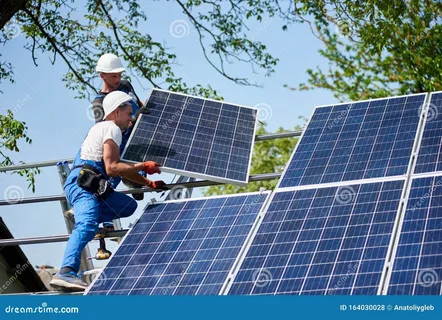
In an age when energy independence is becoming increasingly vital, the demand for reliable power systems has surged. A Stand Alone Power System offers a beacon of hope for those seeking to harness renewable energy without relying on traditional grid connections. Whether it’s powering a remote cabin or ensuring a consistent energy supply during outages, understanding the essential components of these systems is crucial.
Imagine waking up in your off-grid home with all appliances humming contentedly, thanks to sunlight captured and stored efficiently. This dream can become a reality through careful planning and knowledge about solar technology. With the right setup, anyone can enjoy clean energy while reducing their carbon footprint.
The Importance of a Reliable Stand-Alone Power System
A reliable stand-alone power system empowers individuals and communities to take control of their energy needs. It provides autonomy from the conventional grid, offering a sustainable, efficient, eco-friendly solution. In remote areas or during natural disasters, having an independent power source can be a lifesaver. This self-sufficiency enhances comfort and ensures safety by maintaining essential services like heating, lighting, and communication.
Moreover, with rising electricity costs and environmental concerns, investing in a dependable solar setup makes financial sense. Long-term savings on energy bills contribute to economic stability for homeowners. These systems foster resilience in daily life while promoting renewable energy use. With technological advancements, creating a customized solution tailored to specific needs is easier than ever. Understanding this importance paves the way for informed decisions regarding energy independence.
Understanding the Stand-Alone Solar System Basics
A stand-alone power system operates independently from traditional electricity grids. It harnesses renewable energy through solar panels to generate power in remote locations or off-grid settings. These systems have several key components: solar panels, batteries, charge controllers, and inverters. Each part plays a critical role in ensuring efficient energy production and storage.
Solar panels capture sunlight and convert it into electricity. This direct current (DC) must be managed effectively for optimal performance. Batteries store excess energy generated during sunny days when the sun isn’t shining. Charge controllers regulate this flow of electricity, preventing overcharging and prolonging battery life. Inverters are essential as they convert DC into alternating current (AC), making it suitable for household appliances. Understanding these basics is crucial for anyone considering a stand-alone power system.
The Role of Batteries in a Stand-Alone Solar Power System
Batteries serve as the heart of a stand-alone power system, storing energy generated by solar panels. Excess electricity is captured and held for later use during sunny days, ensuring a constant power supply even when sunlight fades. Different types of batteries are available, each with unique characteristics. Lead-acid batteries are commonly used due to their cost-effectiveness and reliability. However, lithium-ion options offer longer life spans and improved efficiency.
Battery capacity determines how long a home can draw power without sunlight. Understanding energy needs helps users select the right size battery bank. Regular maintenance is essential to extend battery life and performance. Monitoring charge levels prevents over-discharge, which can damage the cells. A well-maintained battery system enhances overall reliability within the stand-alone solar setup.
Choosing the Right Stand Alone Solar Power System Panels for Efficiency
Selecting the right solar panels is essential for optimizing energy production in a stand-alone power system. Different types of panels offer varying levels of efficiency, cost-effectiveness, and performance. Here are key factors to consider:
Monocrystalline Panels: High Efficiency
Monocrystalline panels are known for their superior efficiency and space-saving design. They perform exceptionally well in low-light conditions, making them a great choice for environments with limited sunlight or varying weather patterns.
Polycrystalline Panels: Budget-Friendly Option
Polycrystalline panels are typically more affordable than monocrystalline alternatives, but they may require more space due to slightly lower efficiency levels. These panels are ideal for those seeking a cost-effective solution, especially when space is less concerned.
Wattage Ratings: Power Generation
The wattage rating of a Stand Alone Solar Power System panel is crucial in determining how much electricity it can generate under optimal conditions. Higher wattage ratings lead to more power, so it’s essential to consider your energy needs and the amount of space available when selecting panels.
Temperature Coefficient: Performance in Heat
A panel’s temperature coefficient indicates its efficiency in hot conditions. Panels with lower coefficients tend to perform better during warm weather, which can significantly impact long-term energy production and reliability.
Warranties and Manufacturer Reliability
Before purchasing, always check the warranty and the reputation of the manufacturer. Reliable warranties and dependable manufacturers contribute to peace of mind, ensuring that your solar investment will last and perform as expected.
Inverters: Converting Solar Power for Household Use
Inverters play a crucial role in any stand-alone power system. They convert the direct current (DC) generated by solar panels into alternating current (AC), which is the form of electricity most household appliances require. Choosing the right inverter can significantly impact efficiency and performance. Various types are available, including string inverters, microinverters, and hybrid inverters. Each has its advantages depending on specific needs and configurations.
Additionally, quality matters. A reliable inverter ensures a consistent power supply even during cloudy days or when energy demands fluctuate. This adaptability is essential for households relying solely on solar energy. Monitoring capabilities are also important features to consider. Many modern inverters come equipped with smart technology that allows users to track performance remotely, ensuring optimal operation at all times.
Importance of Charge Controllers in Power Systems
Charge controllers play a crucial role in stand-alone power systems. They manage the flow of electricity from solar panels to batteries, ensuring that energy is used efficiently. These devices prevent overcharging, which can damage battery life and performance. By regulating voltage and current, charge controllers keep batteries within safe operating limits.
Additionally, they protect against deep discharges. This feature prolongs the lifespan of batteries by preventing them from being drained too low. Some advanced models offer real-time monitoring features. Users can track system performance and make adjustments as needed. Incorporating a charge controller enhances safety and maximizes energy storage capacity. It ensures that every bit of harvested sunlight is utilized effectively for daily needs.
Battery Management for Optimal Solar Energy Storage
Effective battery management is crucial for the longevity and efficiency of a stand-alone power system. Properly monitoring battery health ensures that energy storage remains reliable. Regular checks on battery voltage and state of charge can prevent overcharging or deep discharging. Both scenarios can significantly shorten battery life, leading to unnecessary replacements.
Implementing temperature controls also plays a vital role in maintaining optimal performance. Extreme temperatures can affect chemical reactions within batteries, impacting their efficiency. Utilizing Battery Management Systems (BMS) adds another layer of protection. These systems provide real-time data on each cell’s status, balancing charge levels across multiple batteries. Routine maintenance tasks such as cleaning terminals and checking connections help avoid corrosion issues. A well-maintained system improves energy storage and enhances overall safety for users.
The Impact of System Sizing on Performance
System sizing plays a crucial role in the efficiency of a stand-alone power system. An accurately sized system ensures energy production aligns with consumption needs, preventing shortages and excess. Users may experience outages or limitations during peak demand times if the system is undersized. This can lead to frustration and unexpected disruptions in daily activities. On the other hand, an oversized setup can result in wasted resources and unnecessary costs.
Calculating load requirements beforehand helps determine the ideal solar panel and battery capacity. Seasonal variations also need consideration; a well-sized system adapts to changing sunlight conditions throughout the year. Investing time into proper sizing pays dividends over time. A balanced approach enhances reliability and contributes to overall sustainability goals by maximizing resource utilization while minimizing waste.
Monitoring and Maintenance of Stand Alone Solar System
Monitoring a Stand Alone Solar System is crucial for ensuring optimal performance. Regular checks can help identify issues before they escalate into costly repairs or downtime. Monitoring software allows users to track energy production and consumption in real-time. This visibility supports timely adjustments, enhancing system efficiency.
Maintenance tasks should include cleaning solar panels regularly. Dust, debris, and snow can obstruct sunlight, significantly reducing output. Battery health also demands attention. Periodic inspections ensure that batteries are charging correctly and not showing signs of wear or leakage. Additionally, checking connections between components prevents potential failures. Loose wires may compromise the entire system’s effectiveness.
Investing time in monitoring and maintenance pays off by prolonging the lifespan of the equipment while maximizing energy generation from renewable resources.
Conclusion
A reliable Stand Alone Power System offers independence and sustainability. Its benefits extend beyond energy supply, touching on environmental impact and cost savings over time. Investing in quality components ensures long-term efficiency. Each part, from solar panels to batteries, plays a crucial role in the system’s overall performance. Understanding each component helps users make informed decisions aligning with their needs. Knowledge empowers homeowners to maximize energy production while minimizing waste.
FAQS
What is a Stand Alone Power System?
A Stand Alone Power System is an independent energy generation setup that uses renewable sources like solar or wind to generate electricity without relying on traditional grid connections.
How do batteries work in a stand-alone solar power system?
Batteries store excess energy generated by the solar panels. This stored energy can be used during nighttime or cloudy days when solar production may be low.
What factors should be considered when choosing solar panels?
Efficiency ratings, durability, warranty periods, and price are critical when selecting the right solar panels for any project.
Why are inverters essential to a stand-alone power system?
Inverters convert direct current (DC) produced by solar panels into alternating current (AC), which is necessary for most household appliances.
What role do charge controllers play?
Charge controllers regulate the voltage and current coming from the photovoltaic array to prevent battery overcharging and ensure optimal system performance.
| Related Business Listings |
| Contact Directory |
| Local Business Profiles |