Introduction
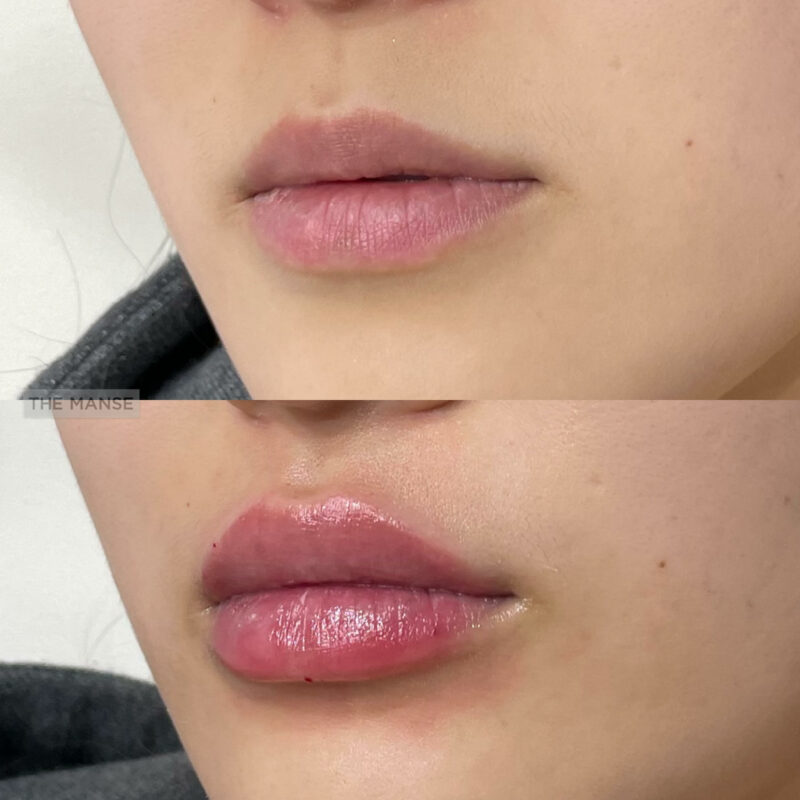
Lip fillers have gained immense popularity in recent years as a quick and effective way to enhance the appearance of lips. Whether someone desires fuller lips, a more defined shape, or a subtle rejuvenation, lip fillers offer a non-surgical solution. The procedure is widely used by celebrities and beauty enthusiasts alike, making it one of the most requested cosmetic treatments today.
While lip fillers are generally safe and provide instant results, understanding the process, types of fillers, benefits, potential risks, and aftercare is essential before undergoing the treatment. This article explores everything there is to know about lip fillers, helping individuals make an informed decision about their cosmetic goals.
Understanding Lip Fillers
Lip fillers are a type of dermal filler injected into the lips to add volume, enhance shape, and improve overall symmetry. The most commonly used fillers contain hyaluronic acid, a naturally occurring substance in the body that helps retain moisture and plump the skin. Hyaluronic acid fillers are preferred due to their ability to deliver smooth, natural-looking results while also being reversible if needed.
The procedure involves a skilled injector using fine needles to deposit the filler strategically in the lips. The amount of filler used depends on the individual’s goals, whether they are looking for a dramatic transformation or a subtle enhancement. Since the treatment is non-surgical, it requires minimal downtime, making it an attractive option for those seeking instant results with little recovery time.
The Procedure: What to Expect
A lip filler treatment typically begins with a consultation where the patient discusses their aesthetic goals with a qualified injector. The professional examines the lip structure, facial proportions, and skin condition before recommending the best filler type and volume.
Before the procedure begins, a numbing cream is applied to the lips to minimize discomfort. Once the lips are numb, the injector carefully administers the filler using fine needles or cannulas. The process usually takes about 15 to 30 minutes, during which the filler is gradually injected into specific areas to achieve the desired shape and volume.
Following the injections, the lips may be gently massaged to ensure even distribution of the product. Mild swelling and redness are common immediately after the procedure, but these effects typically subside within a few days. Results are visible instantly but continue to improve as the filler settles.
Types of Lip Fillers
Various brands and types of lip fillers are available, each designed to achieve specific results. Among the most popular options are Juvederm, Restylane, Belotero Balance, and Revanesse Versa, all of which contain hyaluronic acid.
Benefits of Lip Fillers
One of the biggest advantages of lip fillers is their ability to deliver immediate and noticeable results. Unlike surgical lip augmentation, which requires incisions and recovery time, lip fillers offer a quick and minimally invasive way to enhance lips. The procedure allows for full customization, meaning individuals can choose how much volume they want based on their personal preference.
Hyaluronic acid-based fillers also improve hydration, giving the lips a soft and youthful appearance. They help reduce the appearance of fine lines and wrinkles around the mouth, creating a smoother texture. Another major benefit is that the treatment is temporary and reversible, meaning if a person is not satisfied with the results, an enzyme called hyaluronidase can dissolve the filler completely.
Possible Side Effects and Risks
Although lip fillers are generally considered safe, there are potential side effects that individuals should be aware of before undergoing the procedure. The most common side effects include swelling, redness, and bruising, which usually subside within a few days. Some people may experience temporary lumpiness or uneven texture, which can be resolved through gentle massaging or minor adjustments by the injector.
Rare but serious complications include allergic reactions, infections, and vascular occlusion, which occurs when filler is accidentally injected into a blood vessel, causing blood flow restriction. This can lead to tissue damage if not treated promptly. Choosing a highly experienced and licensed injector is crucial in minimizing these risks and ensuring a safe procedure.
Cost of Lip Fillers
The cost of lip fillers varies depending on several factors, including the type of filler used, the expertise of the injector, and the geographical location of the clinic. On average, lip filler treatments range from $300 to $1,500 per session.
Aftercare and Recovery
Proper aftercare is essential for achieving the best results after a lip filler treatment. In the first 24 to 48 hours, individuals should avoid excessive touching, massaging, or applying pressure to their lips. Ice packs can be used to reduce swelling, and over-the-counter pain relievers may help with any discomfort.
Patients should also avoid strenuous exercise, alcohol, and blood-thinning medications for at least 24 hours to prevent excessive bruising. Staying hydrated and using a gentle lip balm can help maintain moisture and enhance the longevity of the filler.
It is also advisable to sleep with the head slightly elevated to minimize swelling. If any lumps, prolonged swelling, or severe pain occur, it is important to contact the injector immediately for further evaluation.
Are Lip Fillers Right for You?
Lip fillers are an excellent option for those looking to enhance their lips without undergoing surgery. Whether an individual wants to achieve a plumper pout, restore lost volume, or refine lip shape, fillers provide a safe and effective solution.
Conclusion
Lip fillers have revolutionized the beauty industry by providing an easy and effective way to enhance lip volume and shape. With a quick procedure, minimal downtime, and natural-looking results, it is no surprise that lip fillers remain one of the most sought-after cosmetic treatments.