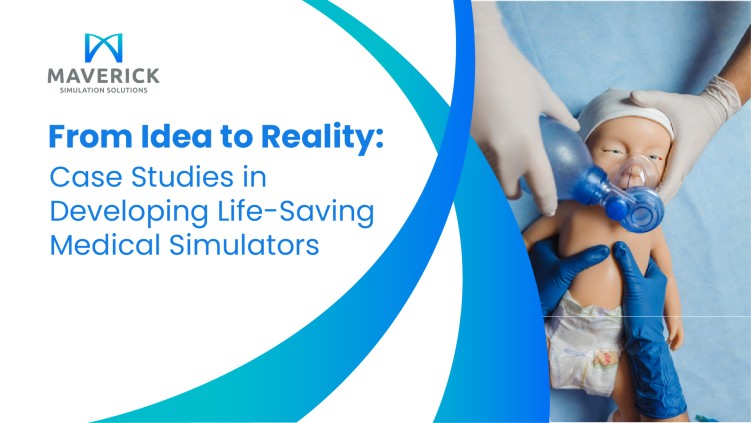
In the rapidly evolving field of medical education, innovative tools, and technologies are playing a crucial role in enhancing the learning experience for healthcare professionals. Among these advancements, lung simulators have emerged as a game-changing solution for mastering the intricacies of respiratory care. From ventilation training simulators to autonomous human lung simulators, these cutting-edge devices provide invaluable opportunities for hands-on practice and expertise development. This article delves into the transformative potential of these simulators, with a particular focus on the baby lung simulator and its role in neonatal care.
The Role of Lung Simulators in Medical Training
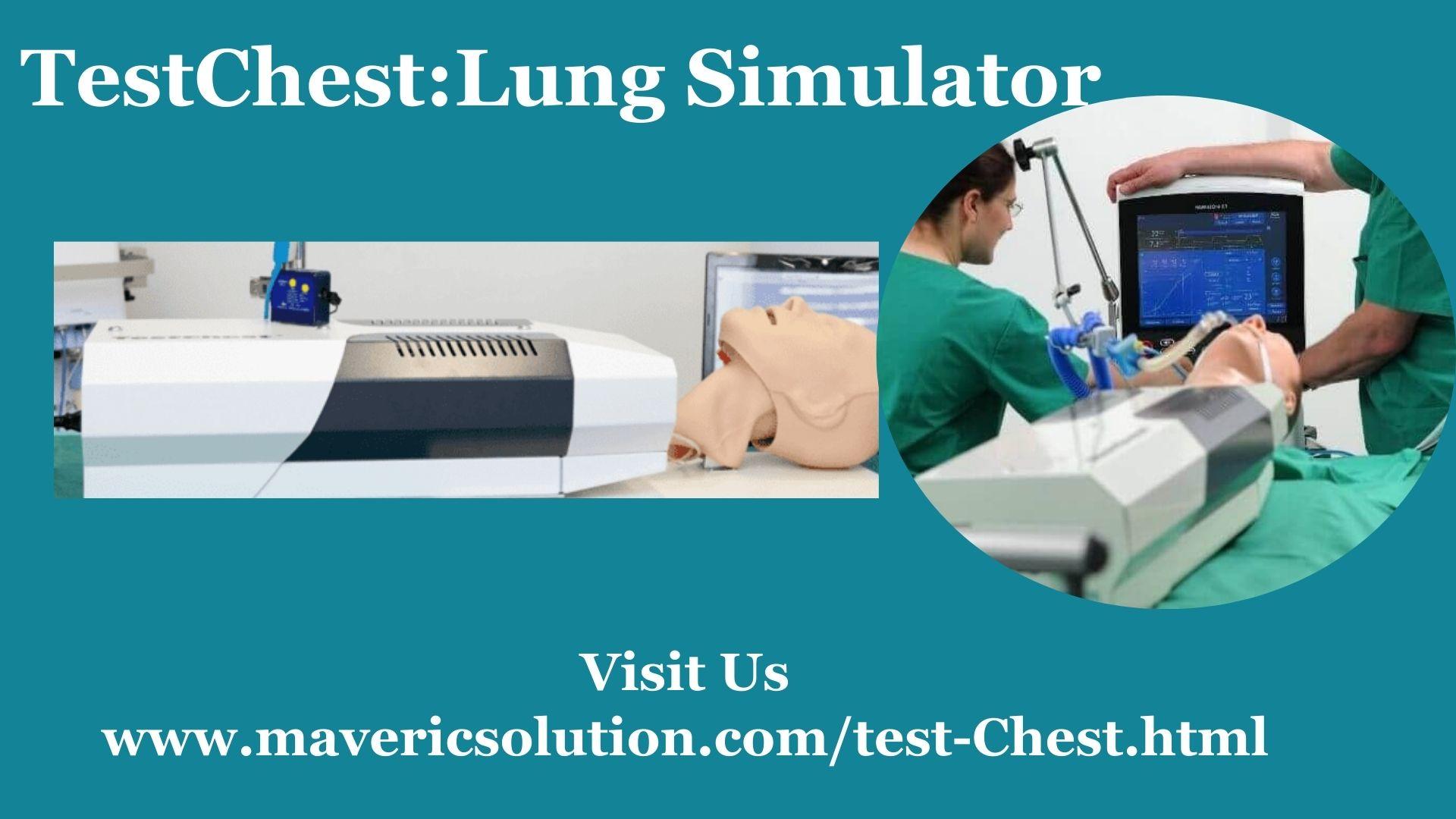
Lung simulators replicate the physiological functions of human lungs, providing healthcare professionals with a realistic platform to practice ventilation techniques, assess respiratory conditions, and refine their skills. These simulators are designed to mimic the complexities of the respiratory system, enabling trainees to understand the nuanced dynamics of lung mechanics.
Ventilation training simulators, in particular, are pivotal in ensuring medical practitioners are well-versed in delivering optimal patient care. These simulators recreate real-life scenarios, allowing users to experiment with various ventilation strategies and learn to adapt to different patient conditions. They empower healthcare providers to make informed decisions under pressure by simulating normal and pathological states.
Baby Lung Simulators: Elevating Neonatal Care
One of the most innovative applications of lung simulator technology lies in the development of baby lung simulators. Neonates, with their fragile and underdeveloped lungs, require highly specialized care. The baby lung simulator provides a realistic model of an infant’s respiratory system, enabling practitioners to train in delicate ventilation techniques without risking a real patient’s well-being.
These simulators are particularly vital for addressing conditions such as neonatal respiratory distress syndrome (NRDS), a common complication in preterm infants. By practicing with a baby lung simulator, healthcare professionals can gain confidence in using advanced ventilation systems, adjusting oxygen levels, and managing pressure settings tailored to the unique needs of newborns.
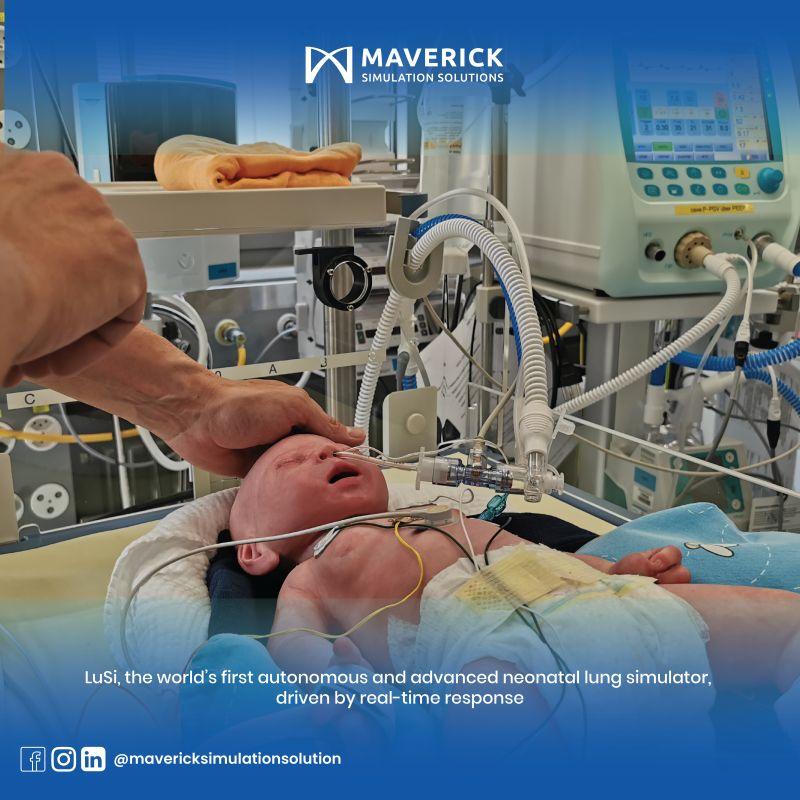
The ability to simulate various scenarios, such as lung collapse or oxygen toxicity, equips practitioners with the skills to intervene promptly and effectively in critical situations. This not only improves patient outcomes but also reduces the likelihood of errors in real-life scenarios.
Autonomous Human Lung Simulators: The Future of Respiratory Care
Taking medical training a step further, autonomous human lung simulators are redefining the standards of realism and adaptability. These advanced devices incorporate artificial intelligence to replicate human-like responses to different interventions, making them indispensable for training in complex scenarios.
Autonomous lung simulators can mimic a wide range of respiratory conditions, including chronic obstructive pulmonary disease (COPD), asthma, and acute respiratory distress syndrome (ARDS). By providing real-time feedback, these simulators enable users to evaluate the effectiveness of their interventions and adjust their strategies accordingly. This level of interaction fosters a deeper understanding of the underlying principles of respiratory care.
Moreover, the integration of autonomous features allows these simulators to be used for research purposes, helping scientists and clinicians test new ventilation techniques, drugs, and equipment in a controlled and risk-free environment. The insights gained from such research can directly contribute to advancements in patient care and medical technology.
Innovative Training for the Next Generation of Caregivers
The adoption of lung simulators in medical training is not just a technological leap; it represents a paradigm shift in how healthcare professionals are prepared for the challenges of modern medicine. By providing a safe, controlled, and repeatable environment for practice, these simulators minimize the learning curve and enhance the proficiency of practitioners across all levels.
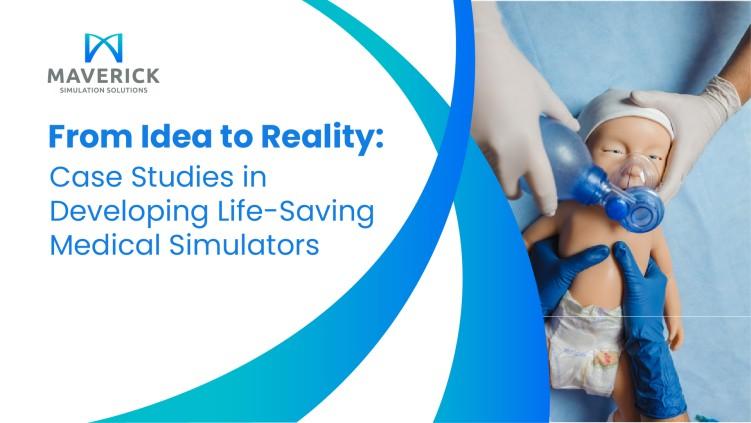
Ventilation training simulators and baby lung simulators are particularly effective in bridging the gap between theory and practice. They allow trainees to experiment, make mistakes, and learn from them without compromising patient safety. This experiential learning approach ensures that caregivers are better equipped to handle the complexities of respiratory care.
As the demand for skilled respiratory care professionals continues to grow, the role of advanced tools like lung simulators becomes increasingly significant. From mastering the delicate art of neonatal ventilation with a baby lung simulator to exploring the capabilities of autonomous human lung simulators, these technologies are shaping the future of medical education. By investing in these innovative training solutions, we can ensure that healthcare providers are not only competent but also confident in delivering the highest standard of care to patients of all ages.
Contact Information
Email Us: info@mavericksimulation.com
Website: https://www.mavericsolution.com/