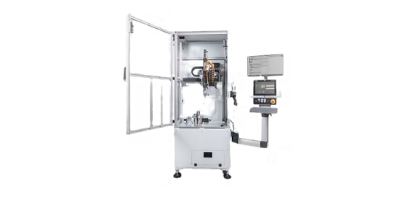
When you look at a massive airliner, it is easy to forget it is a complex puzzle of layers. Skin, ribs, and fasteners all working together. But for those of us in the NDT world, we know that what’s happening under the surface is what really matters. That’s where the eddy current machine comes into play. It is like a high-tech flashlight that “sees” through metal using electricity.
Now, imagine trying to find a tiny crack on a wing that’s covered in thick paint. It is tough, right? If you use just one frequency, the machine gets “confused.” It can’t tell if it’s seeing a real crack or just the paint getting thicker. This is where multi-frequency technology saves the day. It allows us to look at the same spot with different “eyes” at the exact same time.
How does it clear the “noise”?
Think of single-frequency testing like trying to listen to a friend at a loud rock concert. You hear them, but the drums drown everything out. In our world, those “drums” are things like “lift-off” (when the probe isn’t perfectly flat) or thick coatings. A multi-frequency eddy current machine acts like noise-canceling headphones.
It uses a clever trick called “signal mixing.” By running a high frequency and a low frequency together, the machine can subtract the unwanted signals. If the paint is causing a mess on the screen, the machine “maths” it away. What’s left? A crystal-clear signal of the actual defect. This isn’t just a cool feature; it’s a reliability game-changer. In fact, the global eddy current testing market is projected to reach $1.17 billion by 2025, driven largely by this need for higher precision in aerospace safety.
The secret sauce: The inspector’s touch
While the eddy current inspection equipment does the heavy lifting, the real magic happens in the setup. It’s like a chef choosing the right spices. When an experienced inspector looks at a composite-metal joint, they know a “one size fits all” approach won’t work.
- Low Frequencies: These are the “deep divers.” They punch through the top layers to find corrosion hidden deep inside the structure.
- High Frequencies: These stay on the surface. They are perfect for catching those tiny, “hairline” fatigue cracks before they grow.
The skill lies in “tuning” these frequencies to talk to each other. By choosing the optimal range, an inspector can see right through a titanium bolt and check the aluminum plate underneath. It’s about knowing exactly which “channel” to watch to ensure that every flight is as safe as the last.
Why does this matter to you?
For service providers and technicians, moving to multi-frequency isn’t just an upgrade; it’s a necessity. It speeds up inspections because you don’t have to swap probes or re-calibrate for every little change in the metal. You get better data, fewer “false alarms,” and a much happier maintenance manager.
Are you looking to modernize your NDT toolkit or perhaps sharpen your team’s skills? Experts can help you navigate the latest hardware and training modules to keep your inspections top-flight.