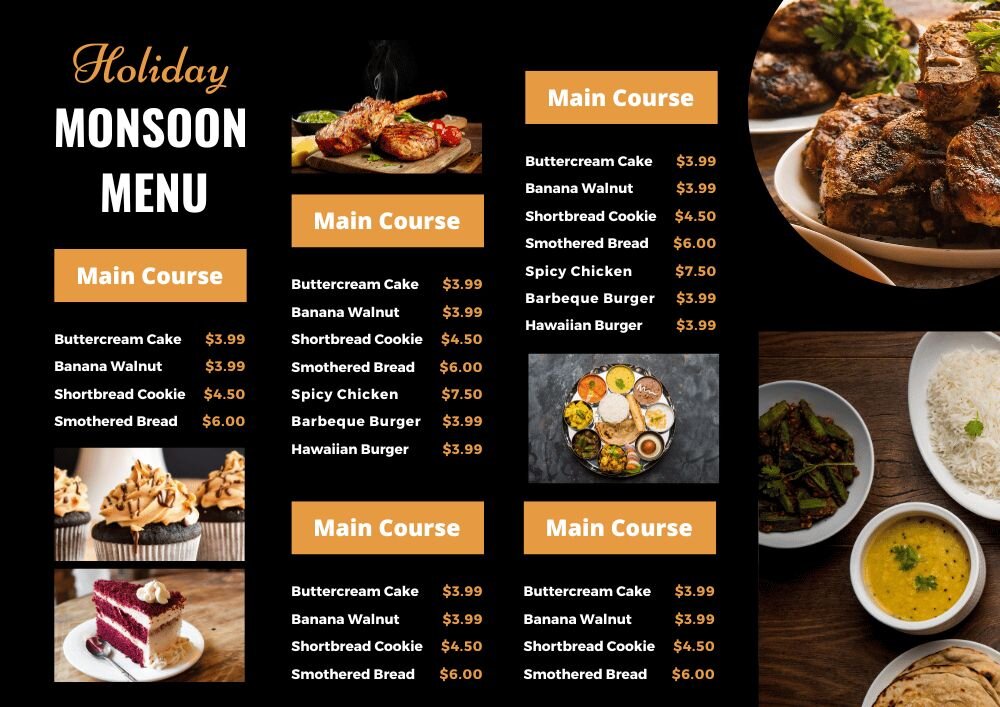
In the competitive world of dining, first impressions are everything. Before a guest even takes their first bite, they’ve already started forming opinions based on the ambiance, the service, and—perhaps most importantly—the menu. A great menu does more than just list food options. It tells a story, evokes emotions, and entices diners with promises of unforgettable flavors. That’s where naming your dishes comes into play. Clever, creative, and appealing dish names can elevate your restaurant’s appeal, enhance the dining experience, and contribute to an outstanding restaurant menu design that keeps customers coming back.
The Power of Language on a Plate
Words matter. The name of a dish can transform an ordinary plate of food into something exciting and memorable. A basic grilled chicken salad might taste delicious, but it doesn’t sound nearly as inviting as “Tuscan Garden Grilled Chicken Bowl” or “Crisp Harvest Chicken Medley.” The right words can add depth and dimension, suggesting flavor profiles, cultural influences, or emotional connections. This type of emotional storytelling is a core component of effective restaurant menu design.
A well-named dish not only entices a customer to order it but also sets expectations. When diners see a name like “Smoked Maple Glazed Ribs,” they begin to imagine the flavor, texture, and aroma. Their anticipation builds, making them more likely to enjoy the meal and remember it later. This psychological engagement creates a stronger bond between the customer and the restaurant.
Know Your Brand Voice and Identity
Before diving into the art of naming dishes, it’s crucial to have a clear understanding of your restaurant’s brand identity. Are you a high-end fine dining establishment, a hip vegan café, a family-friendly diner, or a rustic BBQ joint? Your dish names should be a natural extension of your restaurant’s personality.
For example, a high-end French bistro might offer “Coquilles Saint-Jacques au Beurre Blanc,” while a quirky food truck might go with “Mac Daddy Scallops.” The ingredients could be the same, but the tone of the name aligns with the experience your restaurant promises. This consistency in branding is central to effective restaurant menu design.
Your tone could be elegant, cheeky, nostalgic, rustic, exotic, or health-conscious—just make sure it’s consistent throughout your menu. A dish called “Jungle Curry Explosion” would feel out of place on a minimalist Scandinavian menu.
Use Descriptive and Sensory Language
Effective dish names appeal to the senses. Descriptive language helps customers imagine the taste, smell, and texture of the dish before it arrives at the table. Words like “crispy,” “velvety,” “succulent,” “charred,” “spiced,” and “buttery” add richness and excitement.
For instance, instead of “Fried Chicken,” you might use “Crispy Southern Buttermilk Chicken.” Or transform “Chocolate Cake” into “Decadent Triple-Layer Dark Chocolate Fudge Cake.” The latter doesn’t just describe what’s on the plate—it sells the experience.
Sensory adjectives can also help you justify pricing, especially in upscale dining environments. A dish named “Pan-Seared Wild-Caught Alaskan Salmon with Lemon-Dill Emulsion” sounds far more refined and worth a premium than simply “Salmon Plate.”
Make It Memorable
A catchy or clever name sticks in the mind and encourages repeat orders. Humor, alliteration, rhyming, puns, and cultural references are all fair game, depending on your restaurant’s style. Think of names like “Lord of the Wings,” “Holy Guacamole,” or “Pasta la Vista.” These not only make your menu more entertaining but can also become part of your brand identity.
However, wit should never come at the expense of clarity. If the name is too obscure or confusing, customers may not know what they’re ordering, and that can lead to frustration. A name like “Dragon’s Breath” might sound fun, but it should come with a clear description if it doesn’t directly suggest what’s in the dish.
Catchy names can also serve as a marketing tool. People are more likely to post on social media when they’re eating something with a memorable or quirky name. In today’s Instagram-driven food culture, shareable menu items are invaluable. When dish names spark curiosity or amusement, they often get mentioned in photos, reviews, and word-of-mouth recommendations.
Highlight Star Ingredients
People often scan a menu quickly, so highlighting unique or premium ingredients in your dish names can make them stand out. Including signature elements in the name helps grab attention and establish value. For instance, “Truffle Mac & Cheese” sounds far more luxurious than just “Mac & Cheese,” and “Maine Lobster Roll” carries more weight than “Seafood Sandwich.”
This tactic not only improves the perceived quality of the dish but also assists in upselling. Ingredients like “Wagyu,” “Aged Cheddar,” “Smoked Gouda,” “Heirloom Tomatoes,” or “Organic Avocado” lend an air of sophistication and exclusivity that resonates well in strategic restaurant menu design.
Reflect Cultural Roots and Storytelling
If your cuisine is rooted in a particular culture or heritage, incorporating authentic terminology or references can enhance the dining experience. Dish names like “Shakshuka,” “Pad Krapow,” or “Tagliatelle al Ragù” add authenticity and curiosity, prompting customers to explore beyond their culinary comfort zones.
To bridge any unfamiliarity, pair these names with enticing descriptions that balance tradition with accessible language. For example, “Shakshuka – North African spiced tomato stew with poached eggs and crusty sourdough” offers a cultural touch without alienating the diner.
Sharing the story behind a dish can also enrich the experience. Names like “Grandma Rosa’s Sunday Sauce” or “The Fisherman’s Morning Catch” evoke a sense of place and tradition. In restaurant menu design, this kind of storytelling builds emotional engagement and helps guests feel more connected to your food.
Keep It Concise and Clear
While creativity is essential, dish names should not be too long or overly complicated. Clarity is key, especially in busy service environments where servers must describe items quickly and customers need to make fast decisions. Ideally, a great name should be under five words, easy to pronounce, and immediately understandable.
Avoid jargon or obscure culinary terms unless they’re crucial to the brand or backed by descriptions. Overuse of complex phrases like “sous-vide confit of heritage poultry” might be impressive in certain circles but can alienate more casual diners. The goal is to invite, not intimidate.
Clean, concise naming also helps with spacing and layout in restaurant menu design. A cluttered, text-heavy menu can overwhelm diners. Balanced formatting, supported by succinct yet descriptive titles, leads to better readability and more sales.
Test and Iterate
Don’t hesitate to test out different names and get feedback from staff and customers. Sometimes the name you love may not resonate with your target audience. Others may unexpectedly become hits. Listen to what guests say when they read or order a dish. If people frequently mispronounce or question a name, it may need adjustment.
Similarly, monitor which dishes sell well and which don’t. Sometimes a change in name can dramatically increase sales without altering the recipe. For instance, rebranding a lackluster “Veggie Sandwich” as “Mediterranean Garden Stack” can reframe the dish in a more appealing way.
Staff input is also valuable. Servers are your front line and know which names are easy to explain and which confuse customers. Involving your team in naming decisions can lead to stronger engagement and better outcomes.
Integrating Names into Overall Restaurant Menu Design
Once you’ve created a lineup of engaging dish names, it’s time to integrate them into the overall restaurant menu design. Presentation plays a critical role in how names are perceived. Typography, layout, spacing, and visuals should all support the tone and style of your dish titles.
For example, bold or elegant fonts work well for upscale menus, while hand-drawn or playful styles suit casual eateries. Highlighting popular or signature items with icons, frames, or color accents can draw attention to your best dish names.
Descriptions should follow a consistent structure and tone. Keep the narrative voice aligned with the dish name—if the title is playful, let the description match that vibe. A disjointed voice can confuse or distract customers.
Finally, consider the order of items on your menu. Place creatively named or high-margin dishes in high-visibility zones, such as the top right or center of the page. This eye-catching strategy supports both branding and revenue goals.
Conclusion
Crafting appetizing and memorable dish names is both an art and a science. It requires a balance of creativity, clarity, branding, and strategy. Whether you’re running a cozy neighborhood café or a high-end gastronomic destination, the way you name your dishes has a significant impact on your restaurant’s image and sales.
When done well, naming dishes is not just a creative flourish—it’s a key part of effective restaurant menu design. It engages customers, enhances their dining experience, and makes your restaurant more memorable. So the next time you create a dish, take a moment to think beyond the ingredients. Find a name that captures its soul and invites diners to experience a little taste of your nirvana.