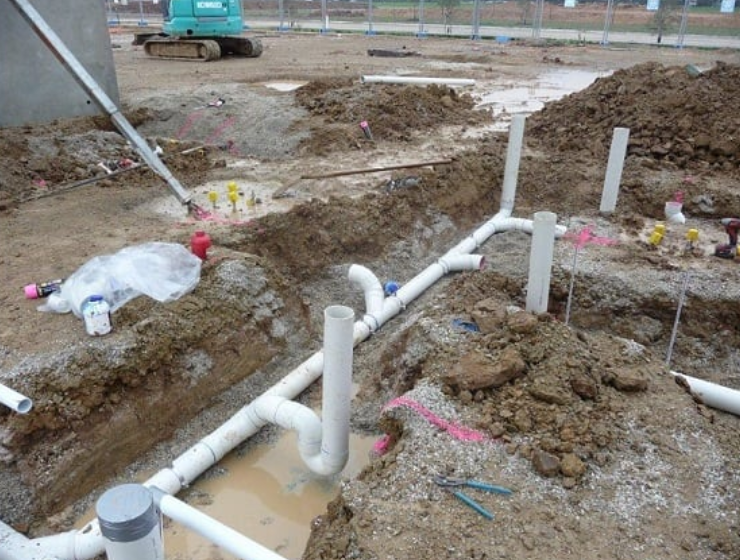
The 2024 International Plumbing Code introduces new language that directly addresses a long-standing risk in construction: buried plumbing installed beneath isolated slabs in expansive soil conditions. This update is not a minor clarification. It is a clear shift in how plumbing must be designed, specified, and protected when soil movement is part of the equation.
For engineers, designers, and builders working in expansive soil regions, understanding these new plumbing code requirements in expansive soil is no longer optional. They are now explicit, enforceable, and tied directly to professional responsibility.
Why the Code Needed to Change
Expansive soils move. They swell when moisture increases and shrink when it decreases. Structural engineers have long addressed this by designing isolated slabs, using void forms or crawlspaces to allow soil movement without transferring stress to the structure.
Plumbing, however, has often been treated as an afterthought.
In many projects, pipes were buried beneath isolated slabs with minimal consideration for how soil movement would affect them over time. When failures occurred, the consequences were severe: broken pipes, slab penetrations under stress, leaks hidden below finished floors, and costly repairs.
More importantly, design professionals increasingly faced claims from owners arguing that plumbing was not sufficiently isolated from soil movement. These claims exposed a gap between structural intent and mechanical execution. The 2024 code update exists to close that gap.
What the New 2024 IPC Language Does
The new language added to the 2024 International Plumbing Code explicitly requires isolation of plumbing under isolated slabs. This requirement builds on existing IPC provisions that already state plumbing must be protected from expansive soil damage.
What’s different now is clarity.
The code no longer leaves room for interpretation about whether buried plumbing beneath isolated slabs is acceptable. It makes isolation a requirement, not a recommendation. In effect, it signals the end of business-as-usual practices where pipes are left vulnerable beneath systems specifically designed to avoid soil movement.
These new plumbing code requirements in expansive soil apply regardless of whether plumbing is installed before or after slab placement. The responsibility now sits squarely with the design team to ensure plumbing systems respect the same movement assumptions as the structure itself.
Who Pushed for This Change and Why
This update did not appear in isolation. It was proposed by structural engineering organizations and supported by testimony from geotechnical professionals, architects, and engineering firms. Many of these groups had firsthand experience dealing with claims tied to under-slab plumbing failures.
Their message was consistent: isolated slabs only work as intended when everything beneath them is treated accordingly. That includes plumbing.
By formalizing this requirement, the code aligns plumbing design with structural and geotechnical realities. It also provides a clear standard of care that protects both building owners and design professionals.
What This Means for Engineers and Designers
From a practical standpoint, the 2024 update changes how projects should be detailed from the earliest stages.
Mechanical engineers can no longer assume that standard buried piping details will pass review when expansive soils and isolated slabs are involved. Plumbing must be isolated, supported independently, and detailed to accommodate future movement.
Structural engineers, meanwhile, gain clearer coordination with mechanical systems. When the slab is isolated by design, the plumbing must follow the same logic.
Ignoring these plumbing code requirements is not just a compliance issue. It creates risk exposure. Code language now makes it easier to point to a missed requirement if failures occur.
What Contractors and Owners Should Watch For
Contractors should expect increased scrutiny during plan review and inspection. Details that once slipped through may now trigger revisions or rejections.
Owners benefit from this shift as well. Properly isolated plumbing reduces the likelihood of hidden failures, slab penetrations under stress, and long-term maintenance headaches. While isolation may add upfront coordination, it often prevents far greater costs down the line.
In short, the code change encourages building it right the first time.
The Bigger Picture: Design Accountability
What this update really represents is accountability. The 2024 IPC recognizes that expansive soil is not a hypothetical condition. It is a known, measurable risk in many regions, and plumbing systems must be designed accordingly.
By codifying isolation requirements, the IPC removes ambiguity. Designers now have a clear directive, and owners gain a higher baseline level of protection.
These new plumbing code requirements in expansive soil also promote better collaboration between disciplines. When structural, geotechnical, and mechanical teams operate from the same assumptions, failures become far less likely.
Final Thoughts
The addition of Section 305.8 in the 2024 International Plumbing Code marks a turning point for under-slab plumbing in expansive soil environments. Buried, unprotected piping beneath isolated slabs is no longer defensible from a code or risk perspective.
For professionals working in these conditions, now is the time to revisit standard details, update specifications, and ensure compliance with the latest guidance. Understanding and applying the new plumbing code requirements in expansive soil is not just about passing inspection. It’s about delivering buildings that perform as intended for decades to come.