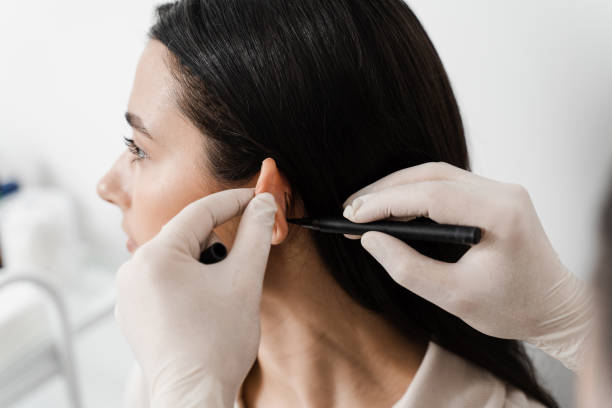
If you’re considering otoplasty in Dubai, understanding the procedure step-by-step can ease anxiety and help you prepare. Ear reshaping surgery corrects prominent, asymmetrical, or misshapen ears for children and adults. Knowing each stage of the process—from consultation to recovery—ensures realistic expectations and smoother planning. This guide explains the procedure in detail, covering pre-operative preparation, surgical steps, recovery, cost, and the benefits of choosing expert care for lasting results.
Step 1: Consultation and Assessment
The first step is a comprehensive consultation with a qualified surgeon. During this appointment:
• The surgeon evaluates ear structure, symmetry, and cartilage strength
• Desired results and expectations are discussed
• Appropriate surgical techniques and anesthesia options are explained
• Costs, recovery timelines, and potential risks are reviewed
• Patients or parents of pediatric patients can ask all questions
A detailed assessment allows the surgeon to create a tailored surgical plan for natural, long-lasting results.
Step 2: Pre-Operative Preparation
Before surgery, patients receive guidance to ensure safety and optimal outcomes:
• Review medical history and current medications
• Stop certain medications or supplements that may affect healing
• Avoid smoking or alcohol before surgery
• Prepare transportation and support for post-surgery care
• Pediatric patients may receive age-appropriate instructions and reassurance
Proper preparation reduces risks and ensures a smoother procedure and recovery.
Step 3: Anesthesia
The type of anesthesia depends on the patient’s age and procedure complexity:
• Adults: Local anesthesia with sedation is common
• Children: General anesthesia is typically used
The surgical team monitors vital signs throughout the procedure to ensure safety and comfort.
Step 4: Incision and Cartilage Reshaping
The core of otoplasty involves reshaping the ear cartilage:
• Incisions are placed behind the ear to minimize visible scarring
• Cartilage is carefully sculpted or repositioned using precise sutures
• Symmetry and natural contours are evaluated continuously
• Minimal incision techniques may be used for faster recovery
Advanced methods in 2026 focus on precision and durability while preserving natural ear flexibility.
Step 5: Closing and Dressing
After reshaping, the surgeon:
• Closes the incisions with dissolvable sutures
• Applies protective dressings or a supportive headband
• Provides instructions for post-operative care and activity restrictions
Proper closure and protection promote healing and reduce the risk of complications.
Step 6: Immediate Recovery
Patients are typically monitored for a few hours post-surgery before discharge:
• Mild swelling, tenderness, and bruising are normal
• Pain is manageable with prescribed medication
• Headbands or dressings may need to be worn for several days
For children, parents are guided on at-home care and what to expect in the first 24–48 hours.
Step 7: Follow-Up and Long-Term Recovery
Follow-up appointments ensure safe healing and optimal results:
• Swelling and bruising gradually subside over 1–2 weeks
• Most patients return to school or work within 5–7 days
• Sports and rigorous activities are limited for 4–6 weeks
• Full results appear within 2–3 months
Following post-operative instructions is essential for long-lasting and natural results.
Otoplasty Cost in Dubai
The average cost of otoplasty in Dubai starts from 12,500 AED. Factors influencing cost include:
• Surgeon’s expertise and reputation
• Complexity of ear correction
• Anesthesia and facility fees
• Post-operative care and follow-up
Confirming what is included in the cost during the consultation avoids surprises.
Safety and Risks
Otoplasty is considered safe when performed by qualified surgeons. Temporary effects may include:
• Swelling and mild discomfort
• Bruising around the ears
• Temporary tightness or numbness
Serious complications are rare, especially when pre- and post-operative instructions are followed carefully.
Emotional and Social Benefits
Otoplasty provides more than aesthetic improvement:
• Boosts self-confidence in adults and children
• Reduces social anxiety and self-consciousness
• Enhances facial harmony and overall appearance
Many patients report that their quality of life improves alongside physical results.
Frequently Asked Questions
What is the step-by-step process of otoplasty?
It includes consultation, pre-op preparation, anesthesia, incision and cartilage reshaping, closure, immediate recovery, and follow-up.
How long does the surgery take?
Most otoplasty procedures last 1–2 hours, depending on complexity.
What is the recovery timeline?
Return to school or work is usually 5–7 days, with full results visible in 2–3 months.
How much does otoplasty cost in Dubai?
Costs start from 12,500 AED, depending on surgeon expertise, technique, and complexity.
Are the scars visible after surgery?
Incisions are behind the ears and fade naturally over time.
Is otoplasty safe for children?
Yes, pediatric otoplasty is safe under general anesthesia with experienced surgeons.
Final Thoughts
Understanding the otoplasty procedure step-by-step helps patients and parents plan effectively, manage expectations, and reduce anxiety. From consultation to recovery, each stage plays a crucial role in achieving natural, lasting results. For professional guidance, transparent planning, and patient-centered care, Tajmeels Clinic offers comprehensive otoplasty consultations and procedures designed to deliver safe, precise, and aesthetically pleasing outcomes. Schedule your consultation today to take the first step toward beautifully balanced ears.