Silver has long been a trusted investment for individuals seeking to preserve wealth, diversify their portfolios, or hedge against inflation. In 2025, the growing availability of digital silver alongside traditional physical silver gives investors more choices than ever. But with choice comes confusion—which option is right for you?
In this article, we break down the key differences between physical and digital silver, highlight their pros and cons, and help you determine which type of silver investment suits your financial goals best.
What Is Physical Silver?
Physical silver refers to tangible silver items like coins, bars, or rounds that you can hold in your hand. Investors typically buy physical silver from mints, bullion dealers, or coin shops.
Types of Physical Silver:
-
Silver Coins – e.g., Canadian Silver Maple Leaf, American Silver Eagle
-
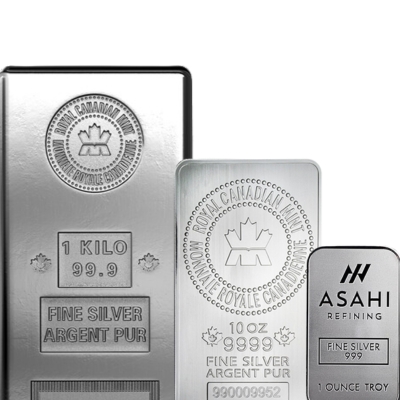
Silver Bars – usually available in sizes like 1 oz, 10 oz, or 1 kg
-
Silver Rounds – privately minted and often decorative
What Is Digital Silver?
Digital silver is silver you purchase through a digital platform, but you do not physically take possession of it. The Buy Silver is often stored in a secure vault and may be fully backed by actual metal, depending on the provider.
Types of Digital Silver:
-
Silver-backed ETFs – Exchange-Traded Funds like SLV that track the price of silver
-
Digital ownership platforms – fintech apps or websites that let you buy fractional silver, sometimes with blockchain verification
-
Tokenized silver – cryptocurrencies or tokens backed by silver reserves
Pros and Cons of Physical Silver
✅ Pros:
-
Tangible asset: You physically own and control your silver.
-
No counterparty risk: Not reliant on third parties for access.
-
Universal value: Recognized globally in bar or coin form.
-
Good for emergency preparedness: Can be bartered or sold during crisis.
❌ Cons:
-
Storage and security: You’ll need a safe or secure deposit box.
-
Liquidity: Selling physical silver can take time and may involve dealer fees.
-
Premiums: Buyers often pay more than the market price due to minting and distribution costs.
Pros and Cons of Digital Silver
✅ Pros:
-
Convenient: Buy, sell, or trade instantly online or through apps.
-
Fractional ownership: Invest with small amounts.
-
No physical storage: No need to worry about security or insurance.
-
Lower premiums: Often closer to the spot price of silver.
❌ Cons:
-
Counterparty risk: Relies on the provider to hold and secure your silver.
-
No physical possession: You can’t access the silver in emergencies unless redemption is offered.
-
Ongoing fees: Some platforms charge storage or management fees.
Key Considerations When Choosing
1. Investment Purpose
-
If you’re preparing for economic instability or want tangible security, physical silver is ideal.
-
If you’re focused on flexibility and liquidity, digital silver may be the better option.
2. Budget
-
Digital silver allows for smaller, incremental investments (as little as $1 on some platforms).
-
Physical silver often requires a larger upfront purchase, especially when buying in bulk to reduce premiums.
3. Convenience vs. Control
-
Digital silver offers ease and speed of transaction.
-
Physical silver offers control and sovereignty over your assets.
4. Storage
-
Do you have a place to store silver securely? If not, digital silver avoids that responsibility.
-
However, remember that trusting someone else with your silver (digitally) introduces third-party risk.
Can You Combine Both?
Absolutely. Many investors take a hybrid approach, using digital silver for short-term trades or ease of access, while accumulating physical silver for long-term security and peace of mind.
For example:
-
Use an ETF or app to track silver prices and trade actively.
-
Store physical silver at home or in a vault for wealth preservation.
Conclusion: Which Should You Buy?
The choice between physical vs. digital silver depends on your individual goals, risk tolerance, and lifestyle.
-
Choose physical silver if you value tangible assets, are preparing for long-term security, or want to hold silver as a form of emergency currency.
-
Opt for digital silver if you’re looking for convenience, flexibility, and ease of access without the hassle of physical storage.
In many cases, a combination of both can provide the best of both worlds—offering the security of physical ownership and the flexibility of digital trading. As silver continues to shine in 2025, having a thoughtful strategy in place will help you make the most of your investment.