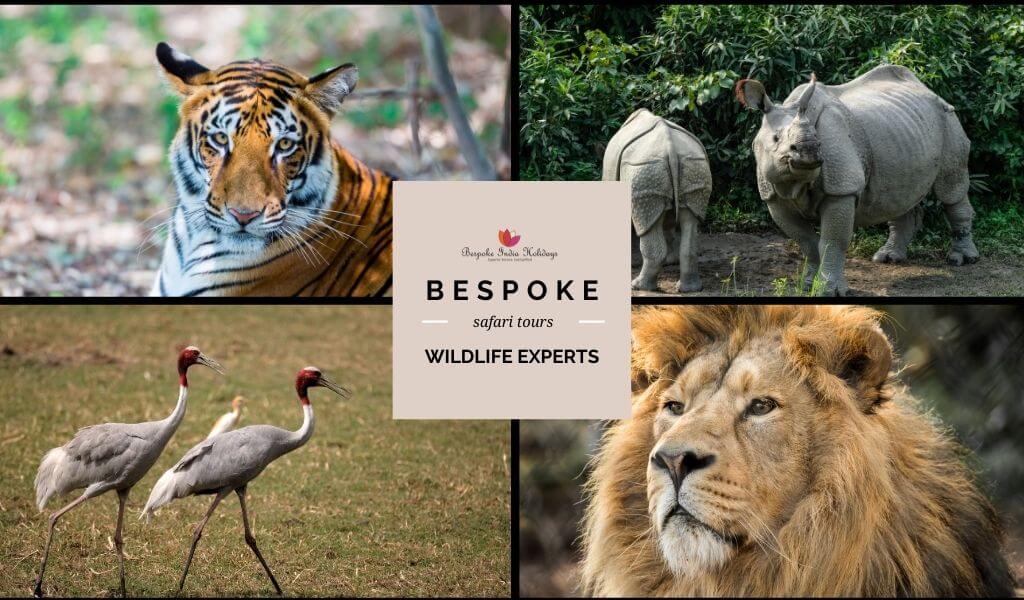
Ever wondered about a country where the wind carries ancient names, and the soil remembers footsteps older than memory? India is such a place where peacocks unfold their iridescent feathers at dawn and snow leopards move across the mountains as if stitched from the mist.
To spend India wildlife holidays, you will have to consult with a travel agency. In this blog, we will tell you how to prepare for a wildlife trip so that your experience remains enriching and memorable.
What to Prepare for a Wildlife Trip?
The wildlife holidays in India packages include various famous national parks that have diverse surroundings. Each surrounding has unfamiliar terrains that need additional arrangements for protection. Hence, the following guide is provided below:
- Choose the Right Season
A wildlife landscape is not static. It changes its shade with the seasons. Hence, the purpose of each season is briefly discussed below:
- Summers (March to June): In summer, the water draws life and fills ponds and rivers. This increases the chances of animal sightings by marking their tracks.
- Monsoon (July to September): During monsoons, the land of the wild transforms into a living painting. Meadows become lush and greener, and is best for tourists who want to witness the ecological beauty of the forest.
- Winter (October to February): Winter is the ideal season for birdwatching. Migratory birds arrive in large groups while the mornings remain crisp under the shroud of the mist.
- Clothing
During your time in India wildlife holidays, wear breathable fabrics that fully cover your body. As you travel through the long grass of the savannah, many insects may irritate or scratch your skin. The protective layer of clothing will prevent that while also ensuring your comfort.
Regarding the color of your clothing, wear earth-toned colors that blend well with the surroundings of the wild. Examples include wearing an olive green shirt and beige or brown pants.
- Backpack
The load of your backpack is essential since you will be carrying it for the whole time of your trip. It is recommended for you to carry a soft backpack weighing 25 to 30 L. This is because anything more than that becomes bothersome, forcing you to move more slowly through the terrain.
- Essentials
As stated above, there are certain important things to carry; however, do it in moderation so that it can fit in your soft backpack. These include binoculars, a camera with a zooming lens and water bottles.
Also, carry basic first aid and a refillable water bottle to treat minor cuts and hydration, respectively. Sunscreens or hats can come in handy if you want extra protection from the sunlight.
- Maintain Silence
All the clothing, backpack size and adequate essentials all contribute to one fact, maintain silence. The senses of wild animals are sharp, and the slightest noise can make them alert and flee the scene. So make sure you follow the guide’s instructions and only film when told to do so from a safe distance.
- Don’t Chase Sightings
To feel the completeness of a wildlife trip, you have to feel the minute movements around you. A langur’s warning call, the shadow of a bird crossing the water, and the silent stillness that spreads before a predator make it move. All these moments constitute worthy India wildlife holidays, so avoid only focusing on spotting predators.
Some of the Famous Parks to Visit
There are various parks, each with its own versatile flavour, waiting to welcome you. Though the list is endless, some of the most renowned parks are listed below for your reference:
- Gir National Park
An arid landscape sculpted by the wind that paints its sky with a mesmerising hue, like the sands of time scattered across the entire region. Such is the regal aura of this park located in Gujarat, and it is home to the world’s Asiatic lions. Hills rise abruptly from flat scrublands, and exploring their terrains through wildlife holidays in India provides you a sense of isolation, adorned with exclusivity.
- Jim Corbett National Park
This park is famous for its historical significance of being the first national park ever established in India. Along with this accolade, Jim Corbett Park has a unique mix consisting of hills, riverine belts and grasslands. Such a versatile environment is home to elephants, otters and gharial crocodiles. During the winter season, this place literally becomes a pilgrimage site for bird enthusiasts.
- Great Himalayan National Park
This park is built with high ecological protection, keeping its picturesque vertical scenery intact. Here, snow-fed rivers slice through the deep gorges, and forests adorn the dry woody essence of oak, pine and deodar trees. Common sightings include snow leopards and the Himalayan tahr, and if you are lucky, you may also get to witness a thrilling hunt from a safe distance.
Conclusion
By knowing how to prepare and when to go for India wildlife holidays, you can customise your trip the way you want. Travel agencies can only guide you, but the way you behave or what you carry rests only upon you. By following the above guidelines, you can witness the ancient side of wildlife that traces its footsteps in Earth’s deepest memories.