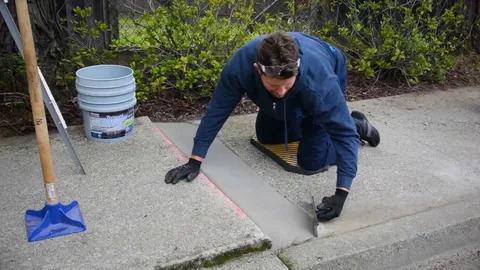
Sidewalk violations are one of the most common—and stressful—issues faced by property owners in New York City. If you’ve received a notice from the NYC Department of Transportation (DOT), understanding the sidewalk violation removal NYC process is critical to avoid heavy fines, legal trouble, and unnecessary delays. In this in-depth guide, we explain everything you need to know about sidewalk violations, how to remove them properly, and why choosing a Top Concrete Contractor New York is the smartest decision for long-term compliance.
What Is a Sidewalk Violation in NYC?
A sidewalk violation is issued by the NYC DOT when a sidewalk in front of a property is damaged, unsafe, or not compliant with city regulations. According to NYC law, property owners—not the city—are responsible for maintaining sidewalks adjacent to their buildings.
Common reasons for sidewalk violations include:
- Cracks and uneven surfaces
- Broken or missing concrete slabs
- Tree root damage
- Improper slope or drainage
- Trip hazards and deteriorated curb edges
Once a violation is issued, the clock starts ticking. Delays can result in penalties or the city completing the repair and billing you at a higher cost.
Why Sidewalk Violation Removal NYC Is Time-Sensitive
Ignoring or delaying sidewalk repairs can lead to:
- Increased fines and penalties
- Legal liability if someone is injured
- Reduced property value
- City-performed repairs at premium rates
Prompt sidewalk violation removal NYC ensures compliance with DOT rules while protecting both pedestrians and your investment.
Understanding the NYC DOT Sidewalk Violation Process
Here’s how the process typically works:
- Violation Issued – The DOT inspects your sidewalk and issues a formal notice.
- Hiring a Licensed Contractor – You must hire a qualified and insured contractor.
- Permit Application – Sidewalk repair permits are filed with the DOT.
- Repair Work – Concrete repair or replacement is completed per DOT standards.
- DOT Inspection – After completion, DOT re-inspects the sidewalk.
- Violation Dismissal – Once approved, the violation is officially removed.
Choosing a Top Concrete Contractor New York ensures every step is handled professionally and correctly the first time.
Common Sidewalk Repairs Required for Violation Removal
Depending on the severity of the damage, sidewalk violation removal may include:
- Concrete slab replacement
- Grinding and leveling for minor trip hazards
- Tree root coordination with NYC Parks Department
- Curb and corner repairs
- ADA-compliant upgrades
Each repair must meet strict NYC DOT specifications, making professional expertise essential.
Why Hiring a Top Concrete Contractor New York Matters
Not all contractors understand NYC sidewalk laws. Hiring a Top Concrete Contractor New York offers several advantages:
- Full knowledge of DOT codes and standards
- Licensed, bonded, and insured services
- Proper permit handling and documentation
- High-quality concrete materials
- Faster violation dismissal
Experienced contractors also help avoid rejections during DOT re-inspections, saving time and money.
Cost of Sidewalk Violation Removal NYC
The cost of sidewalk violation removal varies based on:
- Size of the sidewalk area
- Extent of damage
- Tree root involvement
- Corner or curb repairs
On average, property owners can expect reasonable pricing when working with a trusted Top Concrete Contractor New York, especially compared to city-performed repairs, which are significantly more expensive.
How Long Does Sidewalk Violation Removal Take?
A typical timeline includes:
- Permit approval: 1–3 weeks
- Repair work: 1–3 days
- DOT inspection & dismissal: 2–6 weeks
An experienced contractor streamlines this process, ensuring efficient sidewalk violation removal NYC without unnecessary delays.
Residential vs Commercial Sidewalk Violations
Both residential and commercial property owners are equally responsible for sidewalk maintenance. However:
- Commercial properties often face stricter scrutiny due to higher foot traffic.
- Residential owners may qualify for limited assistance programs, depending on eligibility.
A professional contractor can guide you through applicable rules for your property type.
Preventing Future Sidewalk Violations
Once your violation is removed, prevention is key. Best practices include:
- Regular sidewalk inspections
- Early crack repairs
- Proper drainage management
- Coordinating tree maintenance
Working long-term with a Top Concrete Contractor New York helps keep sidewalks compliant and safe year-round.
Choosing the Right Contractor for Sidewalk Violation Removal NYC
When selecting a contractor, look for:
- NYC DOT experience
- Transparent pricing
- Strong local reviews
- Permit and inspection handling
- Warranty on workmanship
A reputable Top Concrete Contractor New York will manage the entire process from inspection to violation dismissal.
Conclusion
Dealing with a sidewalk violation can be overwhelming, but it doesn’t have to be. With timely action and the right expertise, sidewalk violation removal NYC becomes a smooth and stress-free process. Hiring a Top Concrete Contractor New York ensures DOT-compliant repairs, faster approvals, and long-term sidewalk safety. Don’t wait—address violations promptly to protect your property, finances, and peace of mind.
Frequently Asked Questions (FAQs)
What happens if I ignore a sidewalk violation in NYC?
Ignoring a violation can result in fines, legal liability, and the city completing repairs at your expense.
Who is responsible for sidewalk repairs in NYC?
Property owners are legally responsible for sidewalk maintenance and repairs.
How do I remove a sidewalk violation in NYC?
Hire a licensed contractor, complete DOT-compliant repairs, and pass the DOT re-inspection.
Can I repair the sidewalk myself?
No. NYC requires licensed contractors and approved permits for sidewalk repairs.
Why should I hire a Top Concrete Contractor New York?
They ensure code compliance, faster violation dismissal, quality workmanship, and cost efficiency.