Many parents feel a mix of concern and confusion when their baby becomes upset the moment they step away. Crying, clinging, or sudden fear of strangers can feel overwhelming, especially when you’re unsure whether this behavior is normal or something to worry about. In most cases, these reactions are part of Separation Anxiety in Babies, a natural developmental phase that signals emotional growth rather than a problem.
This guide explores the most common signs your baby struggles with being apart from you, why it happens, and how you can respond in a calm, supportive way. Understanding these signs can help you feel more confident and better prepared as your baby learns that separation is temporary and safe.
What Is Separation Anxiety in Babies?
Separation Anxiety in Babies refers to the emotional distress infants feel when they are separated from their primary caregiver. This usually begins around 6 to 8 months of age, peaks between 10 and 18 months, and gradually eases as children grow more secure and independent.
At this stage, babies develop object permanence—the understanding that people exist even when they are out of sight. While this is an important milestone, it also means your baby realizes you can leave, which can feel scary. The anxiety is not a sign of weakness or over-attachment; instead, it shows that your baby has formed a strong, healthy bond with you.
In the broader context of Health and wellness, emotional security in infancy plays a key role in shaping confidence, stress management, and relationships later in life. Supporting your baby through this phase helps build trust and resilience.
Crying or Distress When You Leave the Room
One of the earliest and most noticeable signs of Separation Anxiety in Babies is intense crying when you leave, even briefly. Your baby may be content one moment and deeply upset the next as soon as you step out of sight.
This reaction often surprises parents because it can happen even during familiar routines, like going to the bathroom or answering the door. The crying usually stops once you return, which reassures your baby that you are still nearby and responsive.
While this behavior can be exhausting, it is a normal response. Your baby is not trying to manipulate you; they are simply expressing fear and uncertainty in the only way they know how.
Clinginess and Constant Need for Physical Contact
Babies experiencing Separation Anxiety in Babies often become extra clingy. They may want to be held constantly, refuse to play alone, or cry when placed down—even for a moment.
This need for physical closeness provides comfort and reassurance. Being close to you helps regulate your baby’s emotions and reduces stress. You might notice your baby gripping your clothes tightly or reaching out whenever you move away.
Although it may feel restrictive, responding with patience and gentle reassurance strengthens your baby’s sense of security. Over time, this secure attachment actually encourages independence rather than preventing it.
Fear of Strangers or Familiar People
Another common sign linked to Separation Anxiety in Babies is sudden fear or discomfort around people your baby once accepted. This can include relatives, babysitters, or caregivers they have seen many times before.
Your baby may cry, turn away, or cling to you when someone else tries to hold them. This happens because your baby now recognizes the difference between familiar and unfamiliar faces and feels safest with you.
Stranger anxiety often overlaps with separation anxiety and typically fades as your baby becomes more confident. Allowing your baby to warm up slowly and staying close during introductions can make these moments easier.
Changes in Sleep Patterns
Sleep disruptions are another sign that Separation Anxiety in Babies may be present. Babies who previously slept well may start waking more frequently at night or resist naps during the day.
Your baby may cry as soon as they realize you are not nearby, even if they were calm before falling asleep. Night wakings can increase because darkness and quiet make the absence of a caregiver feel more intense.
Maintaining a consistent bedtime routine and offering reassurance without creating new sleep habits can help your baby feel safe while learning to self-soothe gradually.
Difficulty Being Comforted by Others
When Separation Anxiety in Babies is strong, your baby may refuse comfort from anyone else, even another parent or trusted caregiver. They may continue crying until you return, despite others’ best efforts.
This behavior can be emotionally challenging for families, especially when caregivers feel rejected. It’s important to remember that this preference is temporary and reflects your baby’s attachment stage, not a lack of trust in others.
Giving caregivers time to bond through regular, calm interactions can help your baby feel safer with them over time.
Regression in Previously Learned Skills
Some babies show temporary regression during periods of Separation Anxiety in Babies. This might include wanting more help with feeding, becoming fussier during diaper changes, or needing extra soothing to calm down.
These regressions are usually short-lived and appear during times of emotional stress or rapid development. Your baby may seek reassurance by returning to earlier behaviors that once brought comfort.
Responding with empathy rather than frustration helps your baby move through this phase more smoothly.
How to Support Your Baby Through Separation Anxiety
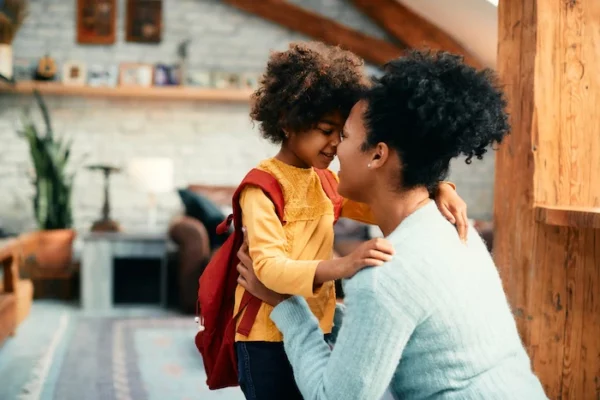

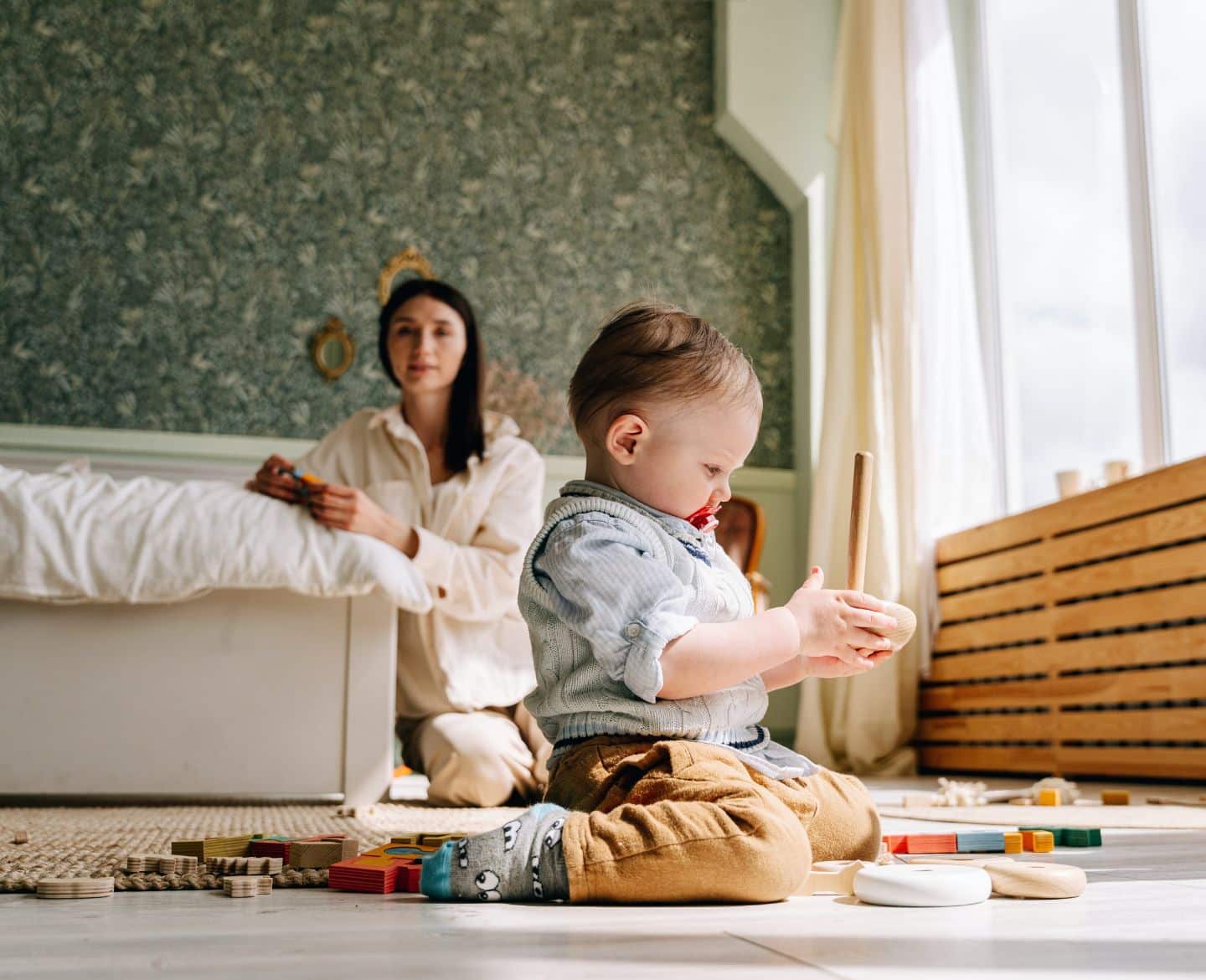
Helping your baby cope with Separation Anxiety in Babies starts with understanding and patience. Simple, consistent actions can make a big difference.
Create predictable routines so your baby knows what to expect each day. Short, calm goodbyes are better than sneaking away, as they build trust. Practice brief separations and gradually increase the time apart as your baby becomes more comfortable.
Offer reassurance when your baby is upset, but try not to overreact. Your calm presence teaches your baby that separation is safe and temporary. With time, your baby will gain confidence and independence naturally.
When Separation Anxiety May Need Extra Attention
In most cases, Separation Anxiety in Babies is a normal and healthy part of development. However, if the anxiety seems extreme, lasts well beyond toddlerhood, or interferes with daily functioning, it may be helpful to seek professional guidance.
A pediatrician or child development specialist can assess whether your baby’s behavior falls within the typical range and offer personalized strategies. Early support can ease stress for both you and your baby.
Remember, this phase does not last forever. With consistent care, reassurance, and understanding, your baby will learn that even when you leave, you always come back.