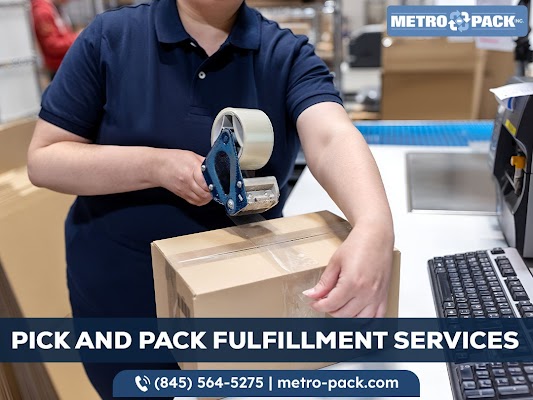
Ever wondered if doing your own order fulfillment is actually saving you money, or if it’s quietly costing your business more than you realize? Many ecommerce entrepreneurs start with DIY fulfillment, thinking it’s simple and cost-effective. But managing every step—from picking products to packing and shipping—can quickly drain your time, energy, and resources.
Here’s what we’ve noticed about DIY fulfillment and why professional services can make a huge difference for your business.
Table of Contents:
- Time is Money: The DIY Trap
- Mistakes Happen: The Risk of Human Error
- Storage and Supplies: Hidden Expenses
- Scaling Challenges: Growth Can Get Messy
- Cost-Effectiveness in the Long Run
- Focus on Your Business, Not Logistics
- Wrapping It Up
Time is Money: The DIY Trap
Handling your own orders may seem straightforward, but it often takes much longer than expected. Each order involves picking the right items, packing them securely, printing labels, and shipping. These small tasks add up, especially during peak sales periods.
The hidden costs include:
- Spending hours away from marketing or product development
- Increased stress and mental fatigue from managing logistics
- Potential delays in shipping, leading to unhappy customers
Professional pick and pack fulfillment services handle these processes efficiently, letting you focus on growing your business instead of juggling logistics.
Mistakes Happen: The Risk of Human Error
Even the most careful DIY business owners can make mistakes. Sending the wrong product, missing an item, or mislabeling a package can harm your reputation and cost you money in returns and refunds.
When you work with professional ecommerce fulfillment services, you benefit from:
- Accurate inventory management that reduces order errors
- Experienced staff trained in efficient packing methods
- Advanced software tracking for real-time updates
These services ensure your customers get the right order, every time, keeping your reviews positive and your brand trustworthy.
Storage and Supplies: Hidden Expenses
Storing inventory at home or in a small office seems convenient, but it comes with hidden costs. You might need extra space, shelves, boxes, tape, and packing materials. Over time, these add up, and running out of storage can delay orders.
DIY fulfillment hidden costs:
- Purchasing or renting additional storage space
- Constantly restocking packing materials
- Managing inventory manually, risking overselling or stockouts
Professional fulfillment centers have proper storage solutions, climate control, and ready-to-use packaging materials. This reduces your overhead while keeping products safe and organized.
Scaling Challenges: Growth Can Get Messy
As your business grows, fulfilling orders yourself becomes increasingly difficult. More orders mean more work, longer shipping times, and greater chances of mistakes. Without the right infrastructure, you might struggle to meet customer expectations.
Benefits of professional fulfillment when scaling:
- Easily handle larger order volumes without stress
- Streamlined operations with software integration
- Faster shipping, which keeps customers happy and loyal
Professional services make growth manageable and help you avoid the chaos of trying to do everything on your own.
Cost-Effectiveness in the Long Run
While DIY fulfillment seems like a cost-saving option upfront, it often ends up being more expensive. The time, errors, and additional materials can outweigh the savings. Investing in pick and pack fulfillment services or ecommerce fulfillment services can actually save money in the long term by improving efficiency, reducing mistakes, and freeing your time for revenue-generating activities.
Advantages to consider:
- Lower shipping costs through professional partnerships
- Reduced error rates and fewer returns
- More time to focus on business growth strategies
When you calculate the hidden costs of DIY fulfillment, professional services often pay for themselves quickly.
Focus on Your Business, Not Logistics
At the end of the day, running an ecommerce business is about serving customers and growing your brand, not managing shipments 24/7. Professional fulfillment services handle the operational side, giving you more freedom to innovate, market, and improve your products.
Think of it this way: outsourcing fulfillment isn’t giving up control; it’s gaining efficiency and reliability. You can focus on the bigger picture while experts make sure each order reaches your customers on time and in perfect condition.
Wrapping It Up:
DIY order fulfillment may seem like a simple way to save money, but the hidden costs can quietly hold your business back. Partnering with professional pick & pack fulfillment services or ecommerce fulfillment services allows you to focus on growing your brand, improving customer satisfaction, and streamlining operations.
By letting experts handle the logistics, you gain peace of mind, efficiency, and more time to concentrate on the parts of your business that truly drive success.
————————————————————————————————————————–
FAQs
- What are the hidden costs of DIY order fulfillment?
DIY fulfillment can drain time, increase mistakes, require extra storage, and add packing expenses, often outweighing initial savings while risking customer satisfaction.
- How do pick and pack fulfillment services help ecommerce businesses?
Pick and pack fulfillment services efficiently handle order picking, secure packaging, and shipping, reducing errors, saving time, and allowing businesses to focus on growth.
- Is DIY fulfillment worth it for small ecommerce stores?
For small stores, DIY may work initially, but hidden costs, errors, and scaling challenges often make professional fulfillment a more reliable and cost-effective choice.
- How can ecommerce fulfillment services improve shipping accuracy?
Professional fulfillment services use trained staff and inventory management systems to minimize mistakes, ensuring accurate orders, timely shipments, and happier, loyal customers.
- Can outsourcing fulfillment save money in the long run?
Outsourcing reduces errors, shipping costs, and time spent on logistics, allowing businesses to focus on growth, often resulting in overall cost savings.