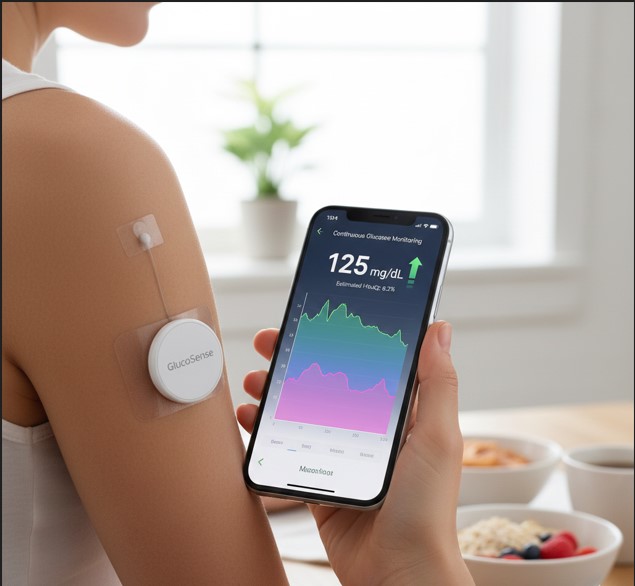
Living with diabetes means constantly monitoring your blood glucose levels. For years, people with diabetes have used finger-stick tests to track their glucose levels, a method that, while effective, often only offers limited information. As technology continues to evolve, continuous blood glucose monitors (CGMs) have emerged as a game-changer in diabetes management.
These cutting-edge devices provide real-time, continuous data on blood glucose levels, offering a much more comprehensive view of how blood sugar fluctuates throughout the day and night. Although the cost of continuous glucose monitor systems may seem high compared to traditional blood glucose meters, the benefits they provide—both in terms of health and overall convenience—make them a valuable tool for many people with diabetes.
In this blog, we’ll explore what continuous blood glucose monitors are, the associated costs, and why the investment in a CGM is often well worth it. Whether you’re new to CGMs or considering upgrading from traditional monitoring methods, this guide will help you understand the value these devices bring to your diabetes care.
What Are Continuous Blood Glucose Monitors?
A continuous blood glucose monitor (CGM) is a device that tracks blood glucose levels continuously, providing real-time data on how glucose levels are changing throughout the day. Unlike traditional finger-stick tests that only give a single snapshot of glucose levels at one time, CGMs allow users to see how their glucose levels fluctuate over hours, days, or even weeks.
The main components of a continuous blood glucose monitor system include:
-
Sensor: A small sensor is inserted just under the skin, usually on the abdomen or upper arm. The sensor continuously measures glucose levels in the interstitial fluid, which is the fluid surrounding cells, and sends this data to a transmitter.
-
Transmitter: The transmitter sends the glucose data to a display device, such as a smartphone, dedicated receiver, or smartwatch. The transmitter ensures that the data is delivered in real-time and provides an ongoing stream of glucose readings.
-
Receiver/Display Device: This is where the user can view their glucose data, trends, and receive alerts. The receiver may be a smartphone app, a dedicated device, or a smartwatch that provides instant feedback on glucose levels.
CGMs offer several advantages over traditional blood glucose meters. By providing constant updates on blood sugar trends, CGMs enable users to make real-time adjustments to insulin, meals, and physical activity. This helps individuals with diabetes achieve better control over their condition, avoid dangerous glucose fluctuations, and improve their overall quality of life.
Understanding the Cost of Continuous Glucose Monitor Systems
While continuous blood glucose monitors offer numerous benefits, one of the most common concerns people have is the cost of continuous glucose monitor systems. It’s true that CGMs are more expensive than traditional blood glucose meters, but when you consider the long-term health benefits and the increased convenience they offer, the investment can pay off in many ways.
1. Initial Device Costs
The initial cost of a continuous blood glucose monitor system can range from $300 to $1,000, depending on the brand, model, and what’s included in the starter kit. The initial cost typically covers the transmitter and the first few sensors. Some examples include:
-
Dexcom G6: The starter kit costs around $500–$600, which includes the transmitter and several sensors.
-
Freestyle Libre 2: The initial reader and sensor kit costs about $70–$100. The reader is reusable and can be used for up to a year.
Though the initial price is higher than traditional meters, a CGM provides ongoing, real-time feedback, which is a significant advantage for those managing diabetes.
2. Ongoing Sensor Costs
One of the ongoing expenses with continuous blood glucose monitors is the cost of replacing the sensors. Most CGM sensors need to be replaced every 7 to 14 days. The price per sensor typically ranges from $35 to $100:
-
Freestyle Libre 2: Each sensor costs approximately $70–$85 for a 14-day supply.
-
Dexcom G6: A 30-day supply of sensors (3 sensors) costs about $350.
For individuals who need to replace sensors every 10–14 days, this can add up to anywhere from $140 to $400 per month.
3. Transmitter Costs
Some continuous blood glucose monitors, such as the Dexcom G6, also require a transmitter, which typically lasts for 3 to 6 months. The cost of replacing the transmitter ranges from $200 to $400 every few months.
4. Insurance and Out-of-Pocket Costs
Many insurance plans, including Medicare, now cover CGMs for those with type 1 or insulin-dependent type 2 diabetes. However, coverage varies depending on the insurance provider, the specific plan, and the model of CGM. Some plans may only cover certain CGM models or brands, so it’s essential to check with your insurer.
For those without insurance or with limited coverage, the out-of-pocket costs for continuous glucose monitor systems can range from $250 to $500 per month, including sensor and transmitter replacements. Many manufacturers, such as Dexcom and Abbott (maker of Freestyle Libre), offer financial assistance programs to help reduce the financial burden.
How Continuous Blood Glucose Monitors Improve Diabetes Management
Now that we’ve addressed the cost, let’s focus on the incredible benefits continuous blood glucose monitors bring to the table.
1. Real-Time Glucose Monitoring and Feedback
The most significant benefit of a continuous blood glucose monitor is the ability to receive real-time, continuous data on blood glucose levels. Traditional glucose meters provide a snapshot of glucose levels at one point in time, which can miss crucial fluctuations. A CGM provides continuous monitoring, allowing users to see glucose trends and take immediate action.
For example, if glucose levels are trending high after a meal, users can take corrective action, such as adjusting their insulin dose, eating a healthy snack, or increasing physical activity. With continuous data at your fingertips, diabetes management becomes far more precise.
2. Alerts for Hypoglycemia and Hyperglycemia
Hypoglycemia (low blood sugar) and hyperglycemia (high blood sugar) can both lead to severe health complications. Continuous blood glucose monitors help prevent these dangerous fluctuations by sending alerts when glucose levels fall outside the target range.
For instance, if your glucose levels are dropping too quickly, the CGM will notify you, giving you time to treat the hypoglycemia before it becomes life-threatening. Similarly, if your glucose levels are rising too high, the device will alert you so that you can take corrective action and avoid complications.
3. Improved A1C Control
A1C is a measure of your average blood glucose over the past two to three months. Maintaining a healthy A1C is essential for preventing long-term complications, such as nerve damage, kidney disease, and diabetic retinopathy.
Studies have shown that people using continuous blood glucose monitors tend to have better A1C control compared to those who rely solely on traditional blood glucose meters. The ability to make timely adjustments based on real-time data improves overall glucose management, leading to more stable A1C levels.
4. Fewer Hospitalizations and Emergency Room Visits
By helping to prevent extreme blood sugar fluctuations, continuous blood glucose monitors can reduce the need for emergency room visits and hospitalizations. Hypoglycemic episodes and diabetic ketoacidosis (DKA) are two common emergencies that people with diabetes face, but with continuous glucose monitoring, these events can be avoided.
Less frequent hospital visits not only improve your health outcomes but also reduce overall healthcare costs in the long run.
5. Convenience and Peace of Mind
One of the greatest advantages of continuous blood glucose monitors is the convenience they provide. Traditional blood glucose meters require multiple finger-stick tests throughout the day, which can be painful and time-consuming. With a CGM, you can track your glucose levels continuously without the need for finger pricks.
Additionally, the peace of mind that comes from receiving real-time feedback on your glucose levels is invaluable. Parents of children with diabetes or individuals with unpredictable blood sugar patterns can rest easy knowing that the device will alert them to any dangerous changes in glucose levels, even while they sleep.
6. Improved Quality of Life
For many people with diabetes, managing blood sugar levels is a daily struggle. Continuous blood glucose monitors reduce the burden of constant monitoring and decision-making by providing detailed data and insights. This allows users to focus on living their lives rather than obsessing over their blood sugar.
By reducing the frequency of glucose dips and spikes, CGMs also help to improve overall well-being. With more stable blood glucose levels, individuals experience fewer symptoms of fatigue, irritability, and other diabetes-related complications, leading to a higher quality of life.
Is the Cost of Continuous Glucose Monitor Systems Worth It?
While the cost of continuous glucose monitor systems can be higher than traditional meters, the long-term benefits often justify the investment. By providing real-time, continuous monitoring, CGMs allow for better control over blood glucose levels, reduced emergency room visits, and improved health outcomes. In addition, the convenience and peace of mind offered by a CGM can significantly enhance your quality of life.
When you factor in the improved A1C control, fewer complications, and the reduced risk of hypoglycemia and hyperglycemia, the cost of continuous glucose monitor systems becomes a worthwhile investment for many people with diabetes.
At Linx CGM, we are dedicated to helping people with diabetes take control of their health by providing high-quality continuous blood glucose monitors. Visit us at https://linxcgm.com to learn more about how a CGM can make a difference in your diabetes management.