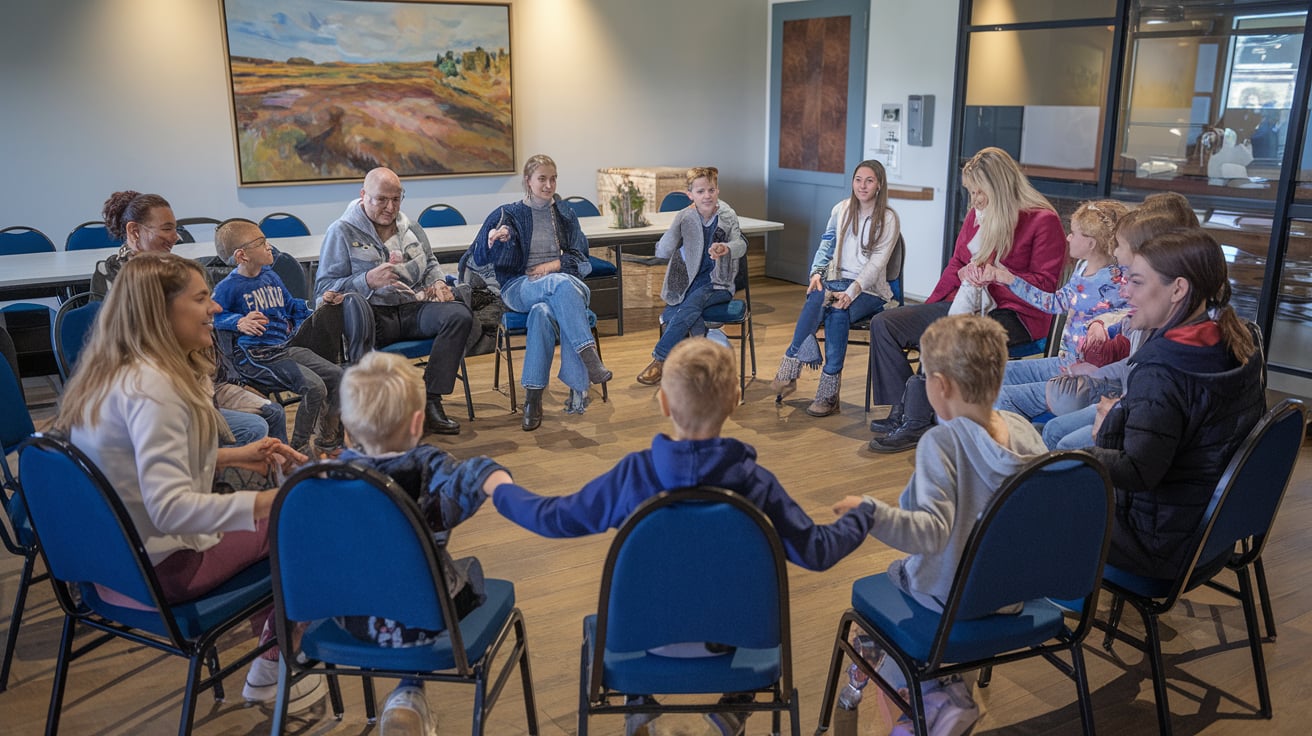
Fostering children is a meaningful way to support vulnerable young people who are unable to live safely with their birth families. Foster care provides children with stable, nurturing home environments while families work through challenges or long-term plans are made for the child’s future. Understanding the different types of foster care and what to expect as a foster carer can help individuals and families make informed and confident decisions.
What Is Foster Care?
Foster care is a temporary or long-term arrangement in which trained carers provide a safe and supportive home for children who cannot remain with their birth families due to reasons such as neglect, abuse, family breakdown, or other complex circumstances. Foster carers work alongside child protection agencies and support organisations to meet the child’s physical, emotional, and developmental needs.
Common Types of Foster Care
There are several types of foster care designed to meet the varying needs of children and young people. Each type requires different levels of commitment, flexibility, and support.
Emergency Foster Care
Emergency foster care provides immediate, short-term placements for children who need urgent protection. These placements can occur at any time, often with little notice, and may last from a few nights to several weeks. Emergency carers play a critical role in providing safety, reassurance, and stability during times of crisis.
Short-Term Foster Care
Short-term foster care supports children while their family situations are assessed or while longer-term plans are developed. Placements can range from a few weeks to several months. Foster carers help maintain routines, support emotional wellbeing, and prepare children for potential reunification with their families or transition into long-term care.
Long-Term Foster Care
Long-term foster care provides ongoing care for children who are unable to return to their birth families. These placements may last for several years or until the child reaches adulthood. Long-term carers offer consistency, emotional security, and a sense of belonging, playing a significant role in a child’s growth and development.
Respite Foster Care
Respite care offers short breaks for foster carers or birth families by caring for children for a limited period, such as a weekend or school holidays. This type of foster care supports placement stability and helps prevent carer burnout while ensuring children continue to receive safe and supportive care.
Kinship Foster Care
Kinship care involves children being placed with relatives or close family friends when they cannot live with their parents. This arrangement helps maintain family connections, cultural identity, and a sense of familiarity for the child. Kinship carers receive support and guidance similar to other foster carers.
What to Expect When Fostering Children
Fostering children can be both rewarding and challenging. Understanding what to expect can help carers feel prepared and supported throughout their journey.
Training and Assessment
Before becoming a foster carer, individuals and families complete an assessment process that includes background checks, interviews, home assessments, and training. This process ensures carers are prepared to provide safe, stable, and nurturing environments for children with diverse needs.
Ongoing Support and Guidance
Foster carers are not alone. Support services provide ongoing training, regular check-ins, and access to professionals such as social workers and therapists. Many organisations also offer 24/7 support to assist carers during challenging situations.
Emotional and Behavioural Challenges
Children entering foster care may have experienced trauma, loss, or instability. As a result, they may display emotional or behavioural challenges. Foster carers play a vital role in offering patience, understanding, and consistent care while helping children feel safe and supported.
Building Trust and Relationships
Developing trust takes time. Foster carers help children feel secure by providing routine, listening to their concerns, and respecting their experiences. Positive, stable relationships can have a lasting impact on a child’s emotional wellbeing and confidence.
Working with Birth Families and Professionals
Fostering children often involves working closely with birth families, schools, healthcare providers, and child protection agencies. Maintaining respectful communication and supporting family connections where appropriate is an important part of the foster care process.
The Rewards of Fostering Children
Despite the challenges, fostering children can be incredibly fulfilling. Carers have the opportunity to make a lasting difference by providing safety, stability, and encouragement during critical stages of a child’s life. Watching children grow, gain confidence, and achieve milestones brings a strong sense of purpose and reward.
Conclusion
Understanding the types of foster care and what to expect when fostering children helps carers prepare for the responsibilities and experiences involved. Whether providing emergency support or long-term care, foster carers play an essential role in supporting vulnerable children and helping them build brighter, more secure futures. With the right preparation, support, and commitment, fostering children can be a life-changing journey for both carers and children alike.