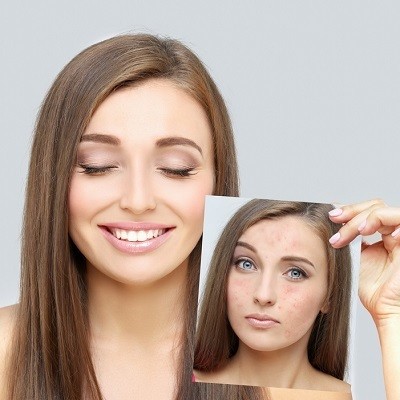
Scars are a natural part of the body’s healing process, but they can also be a source of self-consciousness and concern for many individuals. Whether caused by acne, surgery, injury, or burns, scars can significantly impact one’s appearance and confidence. Fortunately, advances in dermatology and cosmetic treatments have made it possible to reduce the visibility of scars through various treatment options. A wide range of effective laser scar removal in Islamabad to treat different types of scars. In this blog, we will explore the types of scars that can be treated in Islamabad, the methods used for their treatment, and what patients can expect during the process.
1. Acne Scars
Acne scars are one of the most common types of scars people seek treatment for in Islamabad. Acne, especially severe or cystic acne, can leave behind different types of scars, including:
- Ice Pick Scars: Deep, narrow scars with steep sides that resemble tiny holes in the skin.
- Boxcar Scars: Shallow, round or oval-shaped scars with sharp edges.
- Rolling Scars: Broad, shallow scars that give the skin a wave-like appearance.
These scars can be treated effectively with a variety of treatments available in Islamabad, including:
- Laser Therapy: Fractional CO2 lasers and erbium lasers are commonly used to treat deep acne scars. These lasers resurface the skin, stimulating collagen production and improving skin texture.
- Microneedling: This treatment involves using tiny needles to create controlled micro-injuries in the skin, which stimulates collagen and elastin production. It is effective for treating shallow acne scars and improving skin texture.
- Chemical Peels: Superficial chemical peels can be used to treat mild acne scars by exfoliating the top layer of skin. For deeper scars, medium to deep chemical peels may be recommended.
- Dermal Fillers: Fillers like hyaluronic acid can be used to fill in deep, depressed acne scars, smoothing out the skin’s surface.
While complete scar removal is not always possible, these treatments can significantly reduce the appearance of acne scars and improve skin texture.
2. Surgical Scars
Surgical scars are a result of cuts made during surgeries or medical procedures. These scars can range from small, minimal scars to larger, more prominent ones, depending on the nature of the surgery. Surgical scars can be treated using the following methods:
- Laser Resurfacing: Ablative lasers, such as CO2 lasers, are effective for treating surgical scars, especially for more prominent or deeper scars. These lasers work by removing damaged layers of skin and stimulating the regeneration of new skin.
- Steroid Injections: Steroid injections are often used for hypertrophic surgical scars, which are raised and thickened. The steroids help to flatten the scar and reduce inflammation.
- Surgical Scar Revision: In cases of large or unsightly surgical scars, surgical revision may be necessary. This involves removing the old scar tissue and re-closing the wound in a way that minimizes the appearance of the scar.
- Microneedling: For less severe surgical scars, microneedling can stimulate collagen production and improve skin texture.
The treatment options for surgical scars depend on the size, location, and age of the scar. Consulting with a qualified dermatologist or plastic surgeon in Islamabad is essential for determining the best approach to treating surgical scars.
3. Hypertrophic Scars
Hypertrophic scars are raised, thickened scars that form when the body produces an excessive amount of collagen during the healing process. These scars are often red or purple in appearance and can be uncomfortable or unsightly. Hypertrophic scars can be treated in Islamabad using the following methods:
- Steroid Injections: The most common treatment for hypertrophic scars, steroid injections help reduce inflammation and flatten the scar. Multiple injections may be necessary to achieve the desired result.
- Laser Therapy: Non-ablative fractional lasers or pulsed dye lasers can be used to treat hypertrophic scars by reducing redness and promoting collagen remodeling.
- Silicone Gel Sheets: Silicone gel sheets can be used to flatten hypertrophic scars over time. These sheets help keep the scar hydrated and promote collagen remodeling.
- Microneedling: Microneedling can be used to break down excess collagen in hypertrophic scars, helping to smooth the skin’s surface and reduce the scar’s appearance.
Steroid injections are often the first-line treatment for hypertrophic scars, but other treatments can be used in combination for better results.
4. Keloid Scars
Keloid scars are a more severe form of hypertrophic scars. Unlike hypertrophic scars, keloids extend beyond the boundaries of the original wound and can continue to grow over time. Keloid scars can be treated in Islamabad with the following methods:
- Steroid Injections: Like hypertrophic scars, keloids can be treated with steroid injections to reduce their size and flatten them. However, keloids may require more aggressive treatment and multiple sessions.
- Cryotherapy: Cryotherapy involves freezing the keloid tissue with liquid nitrogen, which helps to shrink the scar and reduce its size. Cryotherapy is often used in combination with steroid injections for better results.
- Laser Treatment: Pulsed dye lasers and fractional CO2 lasers can be used to reduce redness and improve the texture of keloid scars. These lasers can help flatten the scar and make it less noticeable.
- Surgical Removal: In some cases, surgical removal of the keloid may be necessary. However, surgery alone can sometimes lead to the formation of new keloids, so it is often combined with other treatments such as steroid injections or cryotherapy.
- Silicone Gel Sheets: These can help reduce the size and appearance of keloid scars by providing pressure and hydration to the scar.
Keloid scars can be challenging to treat, and results may vary depending on the severity of the scar and the treatment approach.
5. Stretch Marks
Stretch marks (also known as striae) are a type of scar that forms when the skin stretches rapidly, such as during pregnancy, puberty, or rapid weight gain. Stretch marks can appear as red, purple, or silvery lines on the skin. While they are not harmful, many people seek treatment to improve their appearance. In Islamabad, stretch marks can be treated with the following methods:
- Laser Therapy: Fractional CO2 lasers or pulsed dye lasers are commonly used to treat stretch marks by stimulating collagen production and improving skin texture and color.
- Microneedling: Microneedling can help improve the appearance of stretch marks by stimulating collagen and elastin production, making the skin smoother and more even.
- Topical Retinoids: Retinoid creams, such as tretinoin, can help fade stretch marks by promoting skin cell turnover and collagen production. These products are often combined with other treatments for better results.
- Chemical Peels: Medium to deep chemical peels can be used to exfoliate the skin and promote the regeneration of new skin, helping to improve the appearance of stretch marks.
While complete removal of stretch marks is not always possible, these treatments can significantly improve their appearance and make them less noticeable.
6. Burn Scars
Burn scars can vary in severity, from superficial scarring to deep, disfiguring scars. Burn scars can be treated in Islamabad using the following methods:
- Laser Resurfacing: CO2 lasers and erbium lasers can be used to treat deep burn scars by resurfacing the skin and promoting collagen production.
- Microneedling: Microneedling can be used to improve the texture of burn scars and promote healing by stimulating collagen production.
- Surgical Scar Revision: In cases of severe burn scars, surgical revision may be necessary to remove scar tissue and improve the appearance of the skin.
- Steroid Injections: Steroid injections can help reduce the inflammation and thickness of burn scars, especially for hypertrophic scars.
The treatment approach for burn scars depends on the severity and location of the burn, as well as the patient’s skin type and overall health.
Conclusion
In Islamabad, a wide variety of scar types can be treated using advanced cosmetic and dermatological treatments. Whether you’re dealing with acne scars, surgical scars, hypertrophic scars, keloids, stretch marks, or burn scars, there are numerous options available to help improve the appearance of your skin. The most appropriate treatment depends on the type, age, and severity of the scar, as well as individual factors such as skin type and medical history.