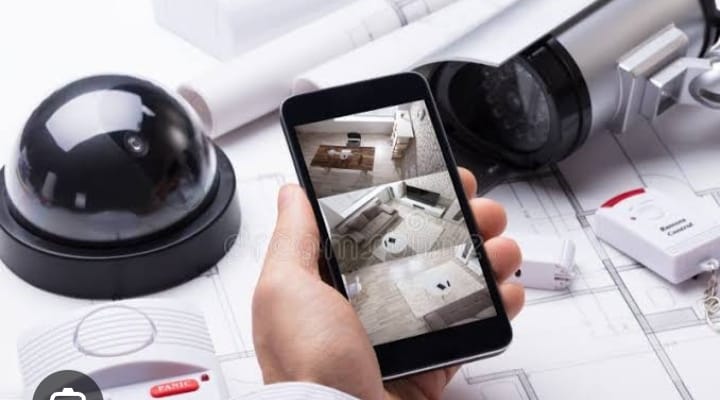
In today’s world, where security is a top priority for both residential and commercial spaces, security sensors play a crucial role in protecting assets and ensuring safety. These advanced technologies detect and respond to various threats, providing real-time alerts and helping prevent potential security breaches. This article delves into the various types of security sensors and their applications, offering insights into how they function and the importance of their integration into modern security systems.
What are Security Sensors?
Security sensors are electronic devices designed to detect specific events or changes in their environment and then trigger an alert to inform users of a potential threat. These sensors are integral to security systems, as they monitor areas for intrusions, abnormal activity, or unsafe conditions and activate alarms to warn of possible dangers.
Types of Security Sensors
- Motion Detectors
Motion sensors are one of the most common types of security sensors. They use infrared, ultrasonic, or microwave technology to detect movement within a specified area. These sensors are typically used to secure entry points like doors and windows and can be adjusted to cover different ranges or angles of detection. - Door and Window Sensors
These sensors detect when doors or windows are opened or forced. Often combined with motion detectors, they add another layer of protection by notifying homeowners or security personnel if an entry point has been breached. - Glass Break Detectors
These sensors are designed to detect the sound of glass breaking. They use sophisticated algorithms to distinguish between the sound of breaking glass and other common noises, making them highly effective at preventing break-ins through windows or glass doors. - Smoke and Carbon Monoxide Detectors
Fire and gas leaks present serious threats to safety. Smoke and carbon monoxide detectors are essential sensors for safeguarding against these dangers. They are often integrated into home security systems to trigger alarms in the event of fire or gas accumulation. - Camera Sensors
Security cameras are equipped with sensors that detect movement within their field of view. Many modern cameras offer features like motion tracking, night vision, and cloud storage to ensure continuous monitoring. They provide visual evidence in addition to audible alarms, often connected to mobile apps for real-time surveillance. - Temperature Sensors
These sensors monitor changes in temperature and are particularly useful in preventing fire or identifying unusual environmental conditions. They can detect overheating electrical equipment or sudden temperature drops indicating possible water leaks or pipe bursts. - Pressure Sensors
Pressure sensors are often used in high-security areas like vaults or perimeter fences. They can detect changes in pressure when someone steps on, pushes, or tries to move something they shouldn’t.
How Do Security Sensors Work?
Security sensors use a variety of technologies to detect and respond to changes in their environment. Passive infrared sensors (PIR), for instance, detect heat sources like the human body, while ultrasonic sensors send out waves that bounce back when objects are detected. Each sensor has its method of activation, but the end goal is the same—to detect unauthorized activity or dangerous conditions and send a signal to a central control unit or directly to the user.
Why are Security Sensors Important?
The integration of security sensors into a security system offers several benefits:
- 24/7 Monitoring: Sensors work round the clock, ensuring your home or business is always being monitored.
- Early Detection: The earlier a threat is detected, the sooner action can be taken, minimizing potential damage or loss.
- Remote Access: Many modern security systems allow users to monitor sensors remotely via smartphone apps, ensuring peace of mind even when you’re away.
- Increased Efficiency: Security sensors streamline the entire security process by automating responses, such as triggering alarms or notifying the authorities.
The Future of Security Sensors
The future of security sensors looks bright, with advancements in artificial intelligence (AI) and machine learning. These technologies enable sensors to become smarter, with the ability to learn from their environment and make more accurate decisions. The rise of the Internet of Things (IoT) also allows security sensors to communicate seamlessly with other devices, creating fully integrated and adaptive security systems.
Conclusion
Security sensors are an indispensable part of modern security systems, offering proactive protection against a wide range of threats. Whether you’re looking to secure a home, office, or industrial facility, incorporating the right mix of sensors can significantly improve your overall security strategy. As technology continues to advance, these sensors will only become more sophisticated, providing even greater safety and peace of mind.