
Skin grafting is a cornerstone of reconstructive surgery, offering a solution for patients with extensive skin loss from burns, trauma, or disease. The process involves transferring healthy skin to a damaged area, promoting healing and restoring function. A key instrument in this procedure is the dermatome, which is used to perform a dermatome skin graft. This blog post will explore the intricacies of this vital surgical technique, from the tools used to the patient’s recovery journey.
The Science Behind Skin Grafting
Skin grafting is essentially transplanting skin. The procedure is categorized into two main types: split-thickness and full-thickness grafts. A full-thickness graft involves removing all layers of the skin (epidermis and dermis), while a split-thickness graft, the more common of the two, involves harvesting only the top layers—the epidermis and a portion of the dermis. This is where the dermatome plays a crucial role.
The success of a graft depends on the recipient site’s ability to provide a blood supply to the newly placed skin. This process, called revascularization, is critical for the graft to “take” and integrate with the surrounding tissue. Surgeons carefully prepare the wound bed, ensuring it is clean and healthy enough to support the new skin.
The Role of the Dermatome in Modern Surgery
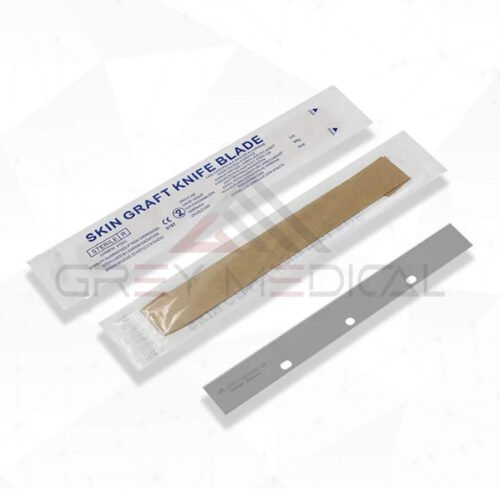
A dermatome is a specialized surgical instrument used to harvest thin, uniform slices of skin for grafting. The precision of this tool is paramount. It allows surgeons to control the exact thickness and width of the skin graft, which is essential for achieving the best possible outcome. There are various types of dermatomes, including manual, electric, and air-powered models, each offering unique benefits.
Using a dermatome requires immense skill and precision. The surgeon must set the device to the correct depth to ensure the harvested skin is viable without causing unnecessary damage to the donor site. A successful dermatome skin graft relies heavily on the quality of the instrument and the expertise of the surgical team. The harvested skin is then carefully placed over the prepared wound, where it is secured with sutures, staples, or a special dressing.
When is a Dermatome Skin Graft Necessary?
Surgeons recommend skin grafting for various conditions where a significant portion of skin is lost or damaged. The most common applications include treating deep, extensive burns that cannot heal on their own. It is also used in reconstructive surgery following major trauma, such as serious accidents or deep wounds that result in substantial tissue loss.
Furthermore, a dermatome skin graft is often a critical part of post-cancer surgery, particularly after the removal of skin cancers like melanoma that require wide excisions. Chronic, non-healing wounds, such as diabetic ulcers or venous ulcers, can also be effectively treated with skin grafts, providing a new surface to facilitate closure and reduce the risk of infection.
The Patient’s Journey: From Procedure to Recovery
The skin grafting process begins with selecting a suitable donor site—an area of the body with healthy skin, typically the thigh or buttocks. Under anesthesia, the surgeon uses the dermatome to harvest the graft. The donor site itself becomes a partial-thickness wound that usually heals on its own within two to three weeks, similar to a deep scrape.
After the dermatome skin graft is secured to the recipient site, a sterile dressing is applied to protect it and keep it in place. The initial healing phase is critical. Patients are often advised to limit movement of the grafted area to prevent the graft from shifting. Over the following weeks, new blood vessels grow into the graft, integrating it fully with the body. The recovery timeline varies based on the size and location of the graft, but with proper care, patients can expect a successful functional and cosmetic outcome.
Conclusion: Precision Instruments for Superior Outcomes
The dermatome skin graft is a transformative procedure that highlights the remarkable synergy between surgical skill and technological advancement. The ability to precisely harvest skin is fundamental to the success of countless reconstructive surgeries, helping patients recover from devastating injuries and illnesses. The effectiveness of this technique underscores the importance of high-quality, reliable surgical instruments.
At GreyMedical®, our dedication to innovation and excellence is driven by the desire to support surgeons in achieving these life-changing results. We understand that the precision of an instrument like a dermatome can directly impact a patient’s healing and quality of life. By focusing on the superior craft of surgical instruments, we empower medical professionals to perform with confidence and deliver the highest standard of care in every procedure.
