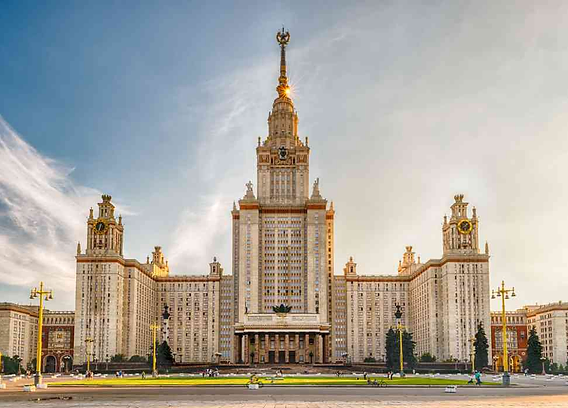
Study MBBS In Russia has become a widely considered option for Indian aspirants who are exploring reliable, affordable, and academically strong pathways to become doctors abroad. With decades of experience in training international medical students, Russia offers a structured MBBS system that focuses on strong fundamentals, regulated education standards, and long-term career outcomes.
Understanding the Russian MBBS System for Indian Aspirants
For Indian students, choosing an MBBS destination is not just about admission but about academic quality, recognition, clinical exposure, and future licensing prospects. Russia stands out because its medical education system is centralized, government-regulated, and designed to produce clinically competent doctors through a well-defined academic framework.
Structure of the MBBS Program in Russia
The MBBS program in Russia generally has a duration of 6 years, which includes both academic learning and clinical training. Unlike some countries where clinical exposure starts very early, the Russian system emphasizes building a strong theoretical base first.
The course is divided into:
-
Pre-clinical phase (Years 1–2)
-
Para-clinical phase (Years 3–4)
-
Clinical phase (Years 5–6)
This phased structure ensures that students understand medical science deeply before dealing with real patients, which is one of the strongest aspects of the Russian MBBS system.
Curriculum and Subjects Taught
The Russian MBBS curriculum is comprehensive and science-oriented. In the initial years, students focus on foundational subjects such as Anatomy, Histology, Physiology, Biochemistry, and Medical Physics. These subjects are taught through lectures, laboratory sessions, dissections, and internal assessments.
As students progress, subjects like Pathology, Pharmacology, Microbiology, Immunology, and Forensic Medicine are introduced. The final years are dedicated to core clinical subjects including Internal Medicine, Surgery, Pediatrics, Obstetrics and Gynecology, Neurology, Psychiatry, and Emergency Medicine.
This gradual academic progression helps Indian students adapt better and develop long-term conceptual clarity rather than short-term exam-focused learning.
Government Regulation and University Standards
One of the biggest strengths of medical education in Russia is that most MBBS universities are government universities. These institutions operate under the supervision of the Ministry of Education and the Ministry of Health of the Russian Federation.
Government regulation ensures:
-
Uniform curriculum standards
-
Qualified and experienced faculty
-
Proper laboratory and hospital infrastructure
-
Transparent examination systems
For Indian aspirants, this means less risk of academic inconsistency and more confidence in degree quality.
Medium of Instruction and Language Training
For international students, MBBS programs in Russia are offered in English medium. Lectures, exams, and study materials are provided in English, making it easier for Indian students to follow the curriculum.
At the same time, universities also teach basic Russian language as part of the course. This is essential for communication during hospital training and patient interaction in later years. Language training is gradual and practical, designed specifically for medical use.
Clinical Exposure and Practical Training
Clinical training in Russia begins once students have built sufficient theoretical knowledge. Medical universities are affiliated with large government hospitals, teaching hospitals, and specialized medical centers.
During clinical rotations, students learn:
-
Patient history taking
-
Clinical examination methods
-
Disease diagnosis and case discussion
-
Observation of medical procedures
-
Hospital ethics and professional conduct
Although patient interaction may initially be observational due to language differences, structured supervision ensures students gain practical exposure and confidence by the time they graduate.
Recognition and Licensing for Indian Students
Medical universities in Russia are listed in the World Directory of Medical Schools (WDOMS), which is a key requirement for global recognition. Indian students graduating from Russia are eligible to appear for FMGE or NExT as per National Medical Commission (NMC) regulations.
Additionally, Russian MBBS graduates can pursue:
-
Postgraduate studies in India or abroad
-
Licensing exams such as USMLE (USA) or PLAB (UK), subject to rules
-
Medical practice in other countries after fulfilling local requirements
This makes Russia a flexible option for students with long-term global career plans.
Academic Discipline and Student Evaluation
The Russian MBBS system is known for strict academic discipline. Attendance, internal tests, practical assessments, and viva examinations are taken seriously. Students are expected to maintain consistent academic performance throughout the year.
This disciplined structure may feel demanding initially, but it helps Indian students develop professionalism, time management skills, and exam readiness—qualities essential for a medical career.
Cost of Education and Living
Another major reason Indian aspirants consider Russia is affordability. Compared to private medical colleges in India, the cost of studying MBBS in Russia is significantly lower. Tuition fees are reasonable, and living expenses such as accommodation, food, and transport are manageable.
Most universities provide hostel facilities with basic amenities, ensuring a safe and structured living environment for international students.
Student Life and Cultural Adaptation
Russian universities host students from many countries, creating a multicultural academic environment. Indian students usually find strong peer support, Indian student communities, and university assistance systems.
While the climate and lifestyle are different from India, universities help students adapt through orientation programs, language support, and student services. Over time, students become comfortable and independent, which contributes to personal growth.
Is the Russian MBBS System Right for Indian Aspirants?
The Russian MBBS system is ideal for students who are:
-
Academically serious and disciplined
-
Willing to adapt to a structured education system
-
Focused on strong medical fundamentals
-
Planning long-term medical careers in India or abroad
It is not a shortcut to becoming a doctor, but a stable and well-regulated pathway that rewards consistency and dedication.
Conclusion
Understanding the Russian MBBS system is crucial for Indian aspirants before making a decision. With its government-regulated universities, strong academic framework, phased clinical training, global recognition, and affordable costs, Russia offers a dependable medical education model.
For students who value academic depth, structured learning, and long-term career flexibility, MBBS education in Russia continues to remain a reliable and respected choice in the global medical education landscape.