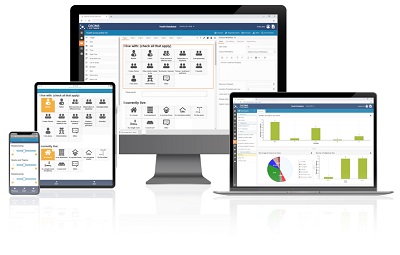
The integration of technology in clinical research has revolutionized the way data is collected, managed, and analyzed. Among the many tools available, web survey software has emerged as a critical component in clinical trials and other research studies. However, when operating in regulated industries like pharmaceuticals, biotechnology, and medical devices, compliance with regulatory standards is non-negotiable. One such standard is the web survey software FDA 21 CFR Part 11, which outlines the criteria for electronic records and electronic signatures. This article explores the role of web survey software in clinical research and its alignment with FDA 21 CFR Part 11 requirements.
The Role of Web Survey Software in Clinical Research
Web survey software is widely used in clinical trials to collect data from participants, researchers, and other stakeholders. It offers a convenient and efficient way to gather information, reducing the need for manual data entry and minimizing errors. Surveys can be designed to capture a wide range of data, including patient-reported outcomes, quality-of-life metrics, and adverse event reporting. The flexibility and scalability of web-based surveys make them an ideal choice for studies of all sizes, from small pilot projects to large multinational trials.
In addition to data collection, web survey software often includes features such as real-time data monitoring, automated reminders, and customizable reporting. These functionalities enhance the efficiency of clinical trials, enabling researchers to make informed decisions quickly. However, the use of electronic systems in regulated environments necessitates adherence to strict guidelines to ensure data integrity, security, and compliance.
What is FDA 21 CFR Part 11?
FDA 21 CFR Part 11 is a regulation established by the U.S. Food and Drug Administration (FDA) that governs the use of electronic records and electronic signatures in regulated industries. The regulation applies to all organizations that submit electronic records to the FDA or use electronic signatures in place of handwritten ones. Its primary objective is to ensure that electronic records are trustworthy, reliable, and equivalent to paper records.
The regulation outlines specific requirements for system validation, audit trails, data security, and user access controls. Compliance with FDA 21 CFR Part 11 is mandatory for organizations involved in clinical trials, manufacturing, and other activities regulated by the FDA. Failure to comply can result in regulatory actions, including fines, product recalls, or even the suspension of operations.
Key Features of Web Survey Software for Compliance
When selecting web survey software for use in clinical research, it is essential to ensure that the system meets the requirements of FDA 21 CFR Part 11. Below are some key features to look for:
- Audit Trails: A comprehensive audit trail is a cornerstone of FDA 21 CFR Part 11 compliance. The software should automatically record all changes made to electronic records, including the date, time, and identity of the user who made the change. This ensures traceability and accountability throughout the data lifecycle.
- User Access Controls: The software must have robust user authentication and authorization mechanisms. Role-based access controls ensure that only authorized personnel can view, edit, or delete records. This minimizes the risk of unauthorized access and data tampering.
- Data Encryption: To protect sensitive information, the software should use strong encryption methods for data transmission and storage. This safeguards against data breaches and ensures confidentiality.
- System Validation: The software must undergo rigorous validation to demonstrate that it consistently produces accurate and reliable results. Validation documentation should be available to support regulatory inspections.
- Electronic Signatures: If electronic signatures are used, the software must comply with the specific requirements outlined in FDA 21 CFR Part 11. This includes ensuring that signatures are unique to each individual and cannot be reused or reassigned.
- Data Backup and Recovery: The software should include automated backup and recovery features to prevent data loss in the event of a system failure or disaster.
Benefits of Using Compliant Web Survey Software
Using web survey software that complies with FDA 21 CFR Part 11 offers several advantages for clinical research organizations:
- Enhanced Data Integrity: Compliance with FDA 21 CFR Part 11 ensures that electronic records are accurate, complete, and tamper-proof. This enhances the overall integrity of the data collected during clinical trials.
- Streamlined Regulatory Inspections: Regulatory inspections are a routine part of clinical research. Using compliant software simplifies the inspection process by providing readily available documentation and audit trails.
- Improved Efficiency: Automated features such as real-time data monitoring and reporting reduce the time and effort required for data management. This allows researchers to focus on analyzing results and making informed decisions.
- Risk Mitigation: Non-compliance with regulatory standards can have serious consequences, including financial penalties and reputational damage. Using compliant software minimizes the risk of regulatory violations.
Challenges and Considerations
While compliant web survey software offers numerous benefits, there are also challenges to consider. Implementing and maintaining a compliant system requires significant resources, including time, money, and expertise. Organizations must invest in training staff to use the software correctly and ensure that all processes align with regulatory requirements.
Additionally, not all web survey software solutions are created equal. It is crucial to conduct thorough due diligence when selecting a system. Look for vendors with a proven track record in the regulated industry and a deep understanding of FDA 21 CFR Part 11 requirements.
Web survey software plays a vital role in modern clinical research, offering a convenient and efficient way to collect and manage data. However, in regulated environments, compliance with FDA 21 CFR Part 11 is essential to ensure data integrity, security, and regulatory compliance. By selecting software with the necessary features and capabilities, clinical research organizations can streamline their operations, mitigate risks, and achieve their research objectives.
One company that specializes in providing compliant solutions for clinical trials is Dacima Software. Their expertise in electronic data capture and regulatory compliance makes them a trusted partner for organizations navigating the complexities of clinical research.