The VDRL Test is a blood test used primarily to screen for syphilis, a sexually transmitted infection (STI) caused by the bacterium Treponema pallidum. This test is crucial for early diagnosis and treatment of syphilis, which can lead to serious health complications if left untreated.
What is the VDRL Test?
The VDRL test detects antibodies produced in response to the syphilis infection. It is a non-treponemal test, meaning it does not directly test for the syphilis bacterium itself but rather for the antibodies that the body produces in reaction to it. It is often used as an initial screening test, and if positive, it may be followed by more specific tests to confirm the diagnosis.
Why Should You Get a VDRL Test?
- Early Detection of Syphilis: The VDRL test helps in the early identification of syphilis, which is critical for effective treatment. Early treatment can prevent the progression of the disease and its complications.
- Pregnancy Screening: Pregnant women are routinely screened for syphilis, as untreated syphilis can lead to severe complications for both the mother and the baby, including miscarriage, stillbirth, and congenital syphilis.
- Monitoring Treatment: For individuals diagnosed with syphilis, the VDRL test can be used to monitor the effectiveness of treatment over time by checking if antibody levels decrease.
- Detection of Other Conditions: Although primarily used for syphilis, a positive VDRL test can also indicate other conditions such as lupus, certain types of hepatitis, and rheumatoid arthritis, making it a useful tool for broader health assessments.
When Should You Take a VDRL Test?
You should consider getting a VDRL test if you:
- Have symptoms of syphilis, such as sores, rashes, or swollen lymph nodes.
- Have had unprotected sex with a new or multiple partners.
- Are pregnant or planning to become pregnant.
- Have been diagnosed with another STI.
How is the VDRL Test Conducted?
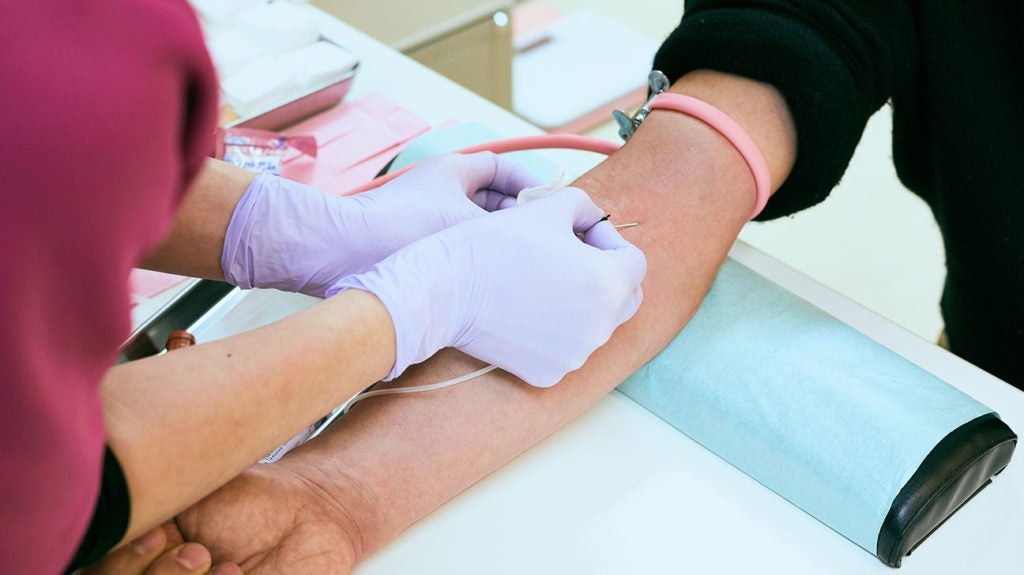
The VDRL test is a simple blood test. A healthcare provider will take a small sample of blood, which will then be sent to a laboratory for analysis. The results are typically available within a few hours to a few days.
Interpreting VDRL Test Results
- Positive Result: A positive result indicates the presence of antibodies, suggesting a possible syphilis infection. However, it does not confirm syphilis, and further testing is needed for a definitive diagnosis.
- Negative Result: A negative result typically indicates the absence of syphilis or that the infection is in its early stages when antibodies have not yet developed.
Benefits of a VDRL Test
- Cost-Effective Screening: The VDRL test is relatively inexpensive compared to other tests for syphilis, making it accessible for widespread screening.
- Rapid Results: Many laboratories can provide results within a short time, enabling quick diagnosis and treatment.
- Preventive Health Measure: Regular testing, especially for at-risk populations, contributes to public health by helping control the spread of syphilis and other STIs.
- Easy to Administer: The test is straightforward and minimally invasive, requiring only a blood sample.
Where to Get a VDRL Test?
In Bangalore, numerous hospitals and diagnostic centers offer the VDRL test, including:
- Redcliffe Labs
- Thyrocare
- SRL Diagnostics
- Apollo Diagnostics
- Dr. Lal PathLabs
Conclusion
The VDRL test is an essential tool for screening and diagnosing syphilis. With its ability to detect infections early and monitor treatment effectiveness, it plays a critical role in sexual health. If you suspect you might be at risk for syphilis or have any related symptoms, consider getting a VDRL test as part of your healthcare routine. Early detection and treatment are key to maintaining good health and preventing serious complications associated with syphilis.