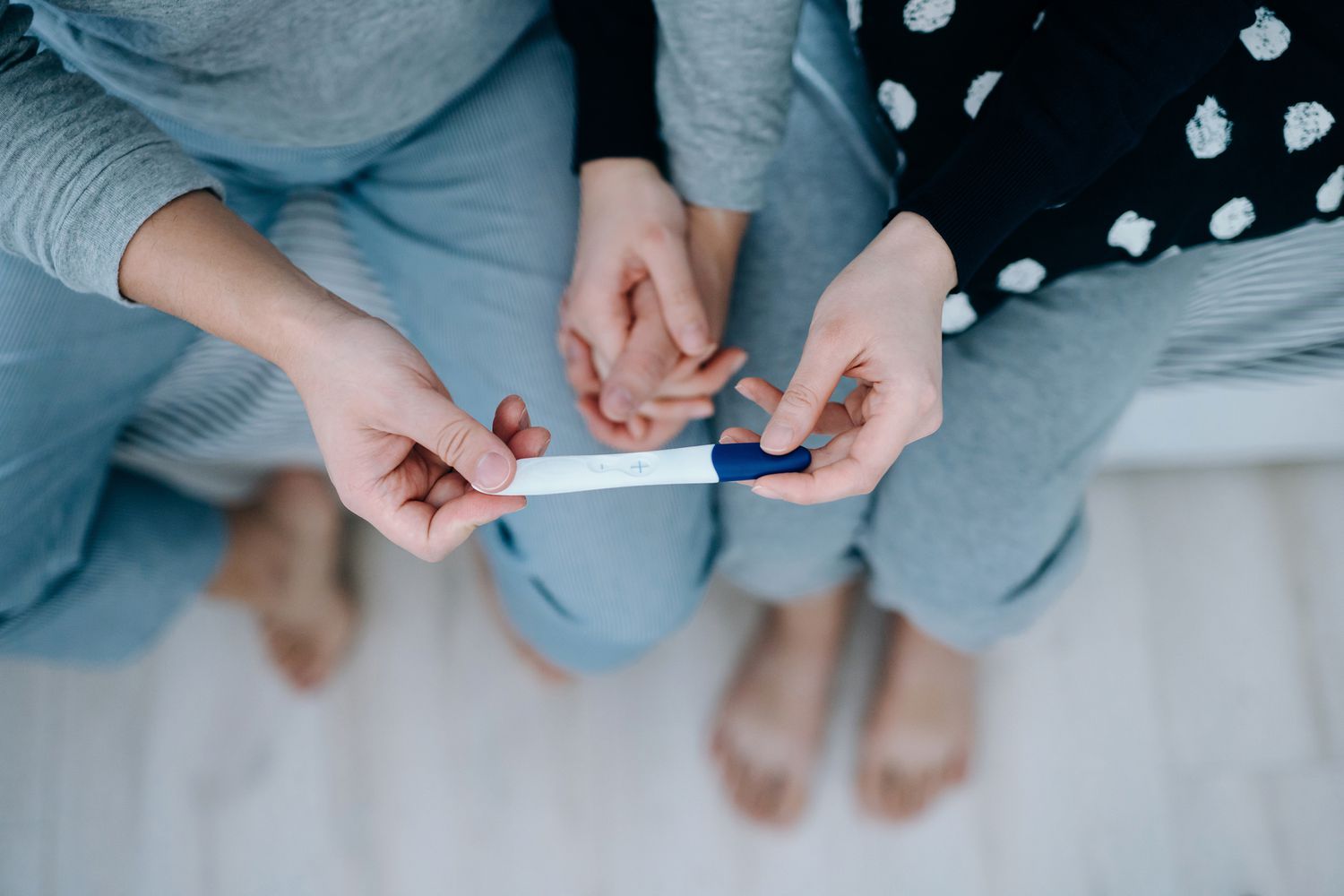
Infertility in women and men is a growing concern worldwide, and many couples in Dubai face challenges when trying to conceive. Infertility in Dubai has become a common reason for couples to seek expert help at specialized clinics like Dynamic Clinic, where advanced diagnostics and treatments are available to address underlying causes. Understanding the factors that contribute to infertility is essential for early intervention and effective management.
Common Causes of Infertility in Women
Several medical and lifestyle factors can affect female fertility. Some of the most common causes include:
-
Hormonal Imbalances: Irregularities in hormones like estrogen, progesterone, and luteinizing hormone can disrupt ovulation and menstrual cycles.
-
Ovulation Disorders: Conditions such as polycystic ovary syndrome (PCOS) or premature ovarian failure can prevent the release of healthy eggs.
-
Fallopian Tube Damage: Blocked or damaged fallopian tubes, often caused by infections, endometriosis, or previous surgeries, can hinder egg transport.
-
Uterine Issues: Fibroids, polyps, or structural abnormalities in the uterus can interfere with implantation and pregnancy.
-
Age-Related Factors: Women over 35 may experience a natural decline in egg quality and quantity, affecting fertility.
-
Lifestyle Factors: Smoking, excessive alcohol consumption, high stress, and obesity can negatively impact fertility.
Common Causes of Infertility in Men
Male infertility is equally significant and can be caused by a variety of factors, including:
-
Sperm Production Problems: Low sperm count, poor sperm motility, or abnormal sperm shape can reduce the chances of fertilization.
-
Hormonal Issues: Testosterone deficiency or other hormonal imbalances can affect sperm production and sexual function.
-
Genetic Conditions: Certain inherited disorders can impact sperm quality and reproductive health.
-
Physical Blockages: Obstructions in the reproductive tract, such as blocked vas deferens or varicoceles, can prevent sperm delivery.
-
Lifestyle and Environmental Factors: Smoking, excessive alcohol use, drug abuse, exposure to toxins, and high stress levels can reduce fertility.
-
Medical Conditions: Chronic illnesses like diabetes, infections, or previous surgeries may affect male reproductive health.
Lifestyle Factors Affecting Both Genders
Both men and women can experience infertility due to lifestyle and environmental influences. Key contributors include:
-
Obesity or Extreme Weight Loss: Significant changes in body weight can disrupt hormone levels and ovulation.
-
Stress and Mental Health: Chronic stress may affect hormone production and sexual health.
-
Exposure to Environmental Toxins: Pesticides, heavy metals, and chemicals can impair reproductive function.
-
Poor Nutrition: Deficiencies in essential vitamins and minerals may reduce fertility potential.
When to Seek Help
Couples experiencing difficulty conceiving after 12 months of regular, unprotected intercourse should consider consulting a fertility specialist. In Dubai, clinics like Dynamic Clinic offer comprehensive evaluations, including hormonal tests, semen analysis, and imaging studies to identify underlying causes. Early intervention can significantly improve the chances of successful conception.
Conclusion
Understanding what causes infertility in women and men is critical for timely diagnosis and treatment. Factors such as hormonal imbalances, reproductive system disorders, genetic conditions, and lifestyle choices play a significant role in fertility. Both men and women can benefit from medical evaluation and lifestyle adjustments to optimize their chances of conception. Specialized fertility clinics in Dubai provide the resources and expertise needed to address these challenges effectively.