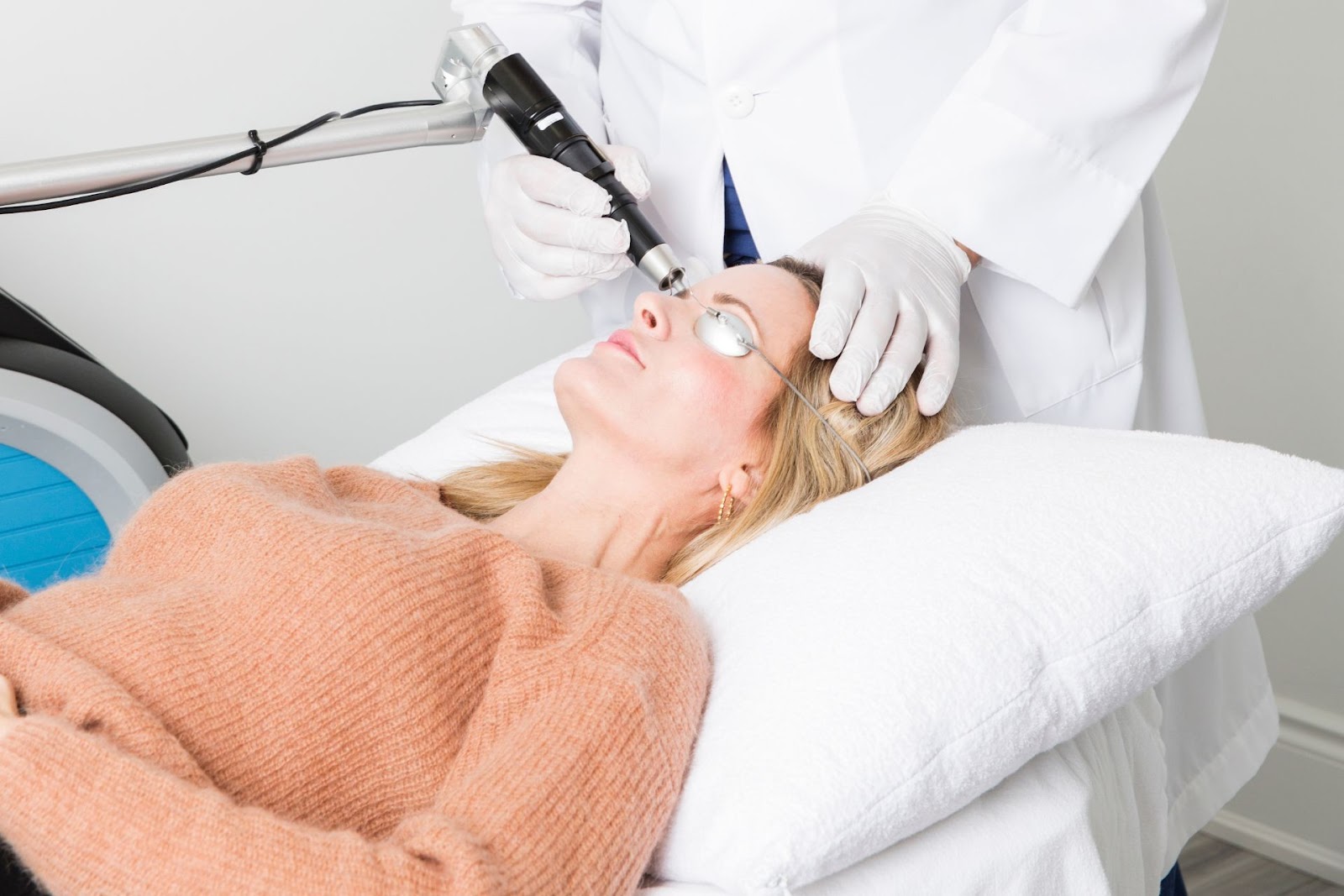
Understanding what causes pigmentation before treatment consideration is crucial for anyone planning Pigmentation Treatment in Dubai. Pigmentation issues can vary from mild discoloration to more noticeable dark spots, affecting confidence and skin health. At Dynamic Clinic in Dubai, specialists emphasize assessing the root cause before initiating any treatment to ensure effective results and long-term skin health.
Sun Exposure and UV Damage
One of the most common triggers of pigmentation is prolonged sun exposure. Ultraviolet (UV) rays stimulate melanin production, leading to uneven skin tone and dark spots. This type of pigmentation often appears on areas frequently exposed to sunlight, such as:
-
Face and forehead
-
Neck and décolletage
-
Hands and arms
Preventive measures, including high SPF sunscreens and protective clothing, are essential to minimize UV-related pigmentation.

Hormonal Changes
Hormonal fluctuations significantly contribute to pigmentation development. Conditions like pregnancy, menopause, or hormonal therapy can trigger melasma, characterized by symmetrical dark patches, particularly on the cheeks, forehead, and upper lip. Women are more commonly affected due to estrogen and progesterone influences on melanin production.
Post-Inflammatory Pigmentation
Skin trauma or inflammation from acne, eczema, or injuries can lead to post-inflammatory hyperpigmentation. When the skin heals, excess melanin can create dark marks at the site of inflammation. Key factors include:
-
Severe acne breakouts
-
Burns or cuts
-
Skin irritation from harsh chemicals or treatments
Identifying post-inflammatory pigmentation early helps guide appropriate treatment strategies.
Genetic Predisposition
Genetics also play a role in pigmentation patterns. Individuals with darker skin tones or a family history of pigmentation disorders are more prone to developing spots or uneven skin color. Genetic pigmentation is often chronic and may require ongoing management for noticeable improvement.
Lifestyle and Environmental Factors
Modern lifestyles and environmental exposure can intensify pigmentation. These include:
-
Pollution: Particulate matter can penetrate skin layers, causing oxidative stress and melanin overproduction.
-
Diet: Poor nutrition lacking antioxidants and vitamins may impair skin repair mechanisms.
-
Stress: Chronic stress influences hormonal balance, indirectly affecting melanin production.
Addressing lifestyle factors is an important part of any Pigmentation Treatment in Dubai plan.
Skincare Products and Treatments
Incorrect use of skincare products or aggressive treatments can worsen pigmentation. Overuse of chemical exfoliants, bleaching agents, or harsh scrubs can damage the skin barrier and trigger dark spots. Consulting with a professional clinic like Dynamic Clinic ensures treatments are tailored to individual skin types and avoid aggravating pigmentation.
Conclusion
Understanding what causes pigmentation before treatment consideration is essential for effective management. Factors such as sun exposure, hormonal changes, inflammation, genetics, and lifestyle all contribute to uneven skin tone. A careful evaluation by a reputable clinic in Dubai ensures that the chosen treatment addresses the root cause rather than only the visible symptoms. Taking a proactive approach, including sun protection, balanced skincare, and professional consultation, can significantly improve outcomes and maintain healthy, radiant skin.