
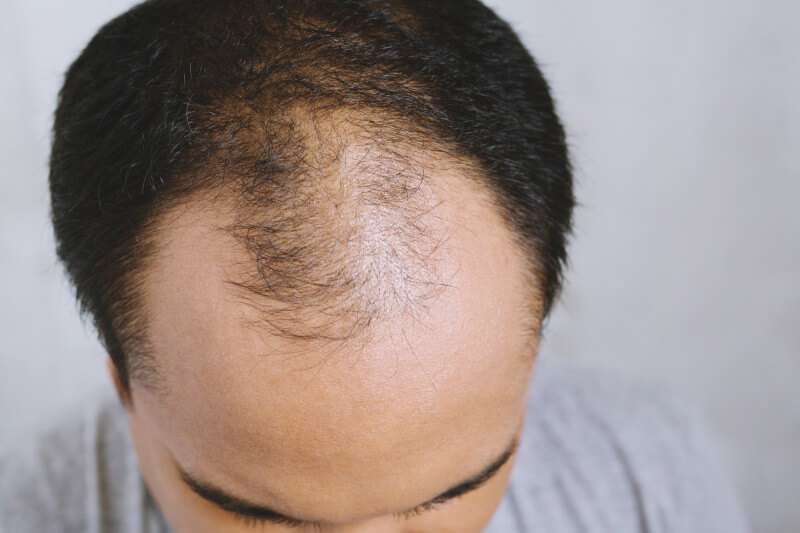
Hair thinning and baldness in the crown area can affect confidence and overall appearance. Understanding the principle behind a Crown Hair Transplant in Dubai is essential for anyone considering this procedure. At Dynamic Clinic in Dubai, advanced techniques are employed to restore hair density in this challenging region while maintaining natural growth patterns.
Understanding the Crown Area and Hair Loss
The crown, or vertex, is a circular area at the back of the scalp where hair naturally grows in a spiral pattern. Hair loss in this region is common due to:
-
Genetic predisposition (male or female pattern baldness)
-
Hormonal changes affecting hair follicles
-
Age-related thinning leading to reduced hair density
Because the crown has a distinct growth pattern, restoring hair requires precise planning to replicate the natural spiral and ensure seamless results.
The Principle of Hair Transplantation
Hair transplantation relies on a simple biological principle: healthy hair follicles can be relocated to balding areas without losing their growth potential. This is achieved through two key concepts:
-
Donor dominance – Hair follicles taken from the back or sides of the scalp (resistant to hair loss) maintain their characteristics even after transplantation.
-
Follicular unit survival – Transplanted hair survives by carefully preserving the follicles during extraction and implantation, ensuring they continue to grow naturally.
These principles guide every crown hair transplant procedure to achieve long-lasting and natural-looking results.
Techniques Used in Crown Hair Transplants
Two primary methods are used to restore hair in the crown area:
1. Follicular Unit Extraction (FUE)
-
Individual hair follicles are extracted from the donor area
-
Follicles are implanted in the crown following its natural spiral pattern
-
Minimal scarring and faster recovery
2. Follicular Unit Transplantation (FUT)
-
A strip of scalp is removed from the donor area
-
Follicular units are dissected and transplanted into the crown
-
Allows transplantation of a larger number of follicles in one session
The choice of technique depends on the patient’s hair characteristics, crown size, and desired density.
Planning the Crown Hair Transplant
Successful crown restoration requires meticulous planning:
-
Assessment of hair density in both donor and recipient areas
-
Mapping the natural spiral direction of hair growth
-
Determining the number of grafts needed to achieve balanced coverage
-
Ensuring long-term hair sustainability through proper follicle selection
Every step is designed to mimic natural hair growth, preventing an artificial or patchy appearance.
Recovery and Growth Expectations
After a crown hair transplant, the transplanted follicles undergo a growth cycle:
-
Initial shedding phase – Transplanted hair may shed in the first few weeks
-
Dormancy period – Follicles rest before regrowing
-
Gradual hair growth – New hair appears naturally, blending with existing hair
-
Full results – Typically visible within 9 to 12 months, depending on individual growth rates
Patients are advised to follow post-operative care instructions to maximize graft survival and promote healthy growth.
Benefits of Crown Hair Transplant
-
Restores natural hair density in the crown area
-
Improves overall hair appearance and confidence
-
Uses the patient’s own hair for a natural look
-
Long-lasting results when performed using modern techniques
Conclusion
The principle behind a crown hair transplant is rooted in understanding hair follicle biology and the donor dominance concept. By carefully transplanting healthy follicles and respecting the crown’s natural spiral pattern, patients in Dubai can achieve seamless and natural hair restoration. Advanced procedures at clinics like Dynamic Clinic ensure precision, safety, and long-term success, making crown hair transplants a reliable solution for hair loss in this challenging area.
