
Finding a trustful insulation company in Raleigh comes down to more than just a price quote. It requires evaluating a combination of technical expertise, transparent communication, quality materials, and a deep understanding of North Carolina’s unique building challenges. The right insulation provider ensures long-term energy savings, structural protection, and health-conscious materials—all tailored to Raleigh’s hot, humid summers and cooler winters.
If you’re planning to insulate or upgrade your home or commercial space, this guide will show you exactly how to spot a company that’s not just qualified—but genuinely reliable.
Key Traits of a Trustworthy Insulation Company
The most dependable insulation companies in Raleigh offer more than just installation. They offer a total building envelope solution. Here’s what defines a company you can trust:
- Professional Credentials: A reliable insulation provider carries proper licensing, workers’ compensation, and liability insurance. Ask for proof.
- Transparent Quoting Process: A credible provider explains the scope, materials, and labor clearly—before you sign anything.
- Climate-Specific Experience: Companies that understand Raleigh’s unique moisture levels and building codes will choose better materials and techniques.
- Diagnostic Tools: Infrared scans, blower door tests, and thermal imaging should be part of the evaluation process.
- Multiple Material Options: Open-cell and closed-cell spray foam insulation each have distinct use cases. You need options—not a one-material-fits-all approach.
Technical Comparison of Insulation Professionals
| Feature | Trustworthy Company | Unreliable Provider |
|---|---|---|
| Licensing and Insurance | Fully licensed, bonded, and insured | May operate without local permits |
| Insulation Methods | Open-cell, closed-cell, hybrid solutions | Limited to one product type |
| Diagnostics Used | Thermal cameras, blower doors, R-value analysis | None or basic visual inspection only |
| Job Planning | Customized to each zone: attic, crawl, rim | One-size-fits-all approach |
| Post-Install Testing | Conducts air sealing and leakage checks | No follow-up testing |
| Cleanup and Disposal | Handles all post-job cleaning and safe disposal | Leaves site cleanup to homeowner |
| Written Guarantee | Offers clear, written warranty (5–10 years) | No warranty or vague verbal promises |
Material Technical Specifications
| Specification | Open-Cell Spray Foam | Closed-Cell Spray Foam |
|---|---|---|
| R-Value per Inch | ~3.5–4 | ~6–7 |
| Density | ~0.5 lbs/ft³ | ~2 lbs/ft³ |
| Sound Dampening | Excellent | Moderate |
| Water Resistance | Low | High |
| Application Areas | Walls, ceilings, attics | Basements, crawl spaces, rim joists |
| Air Sealing Capability | Yes | Yes |
| Cost per Board Foot (avg.) | $0.44–$0.65 | $1.00–$1.50 |
Bonus Tip: In Raleigh, high humidity and moisture-prone areas like crawl spaces benefit more from closed-cell insulation due to its water-resistant properties.
Things to Consider Before Making a Decision
Choosing an insulation company involves more than comparing price quotes. It’s about evaluating how the company approaches your home or building’s specific needs.
1. Site-Specific Recommendations
Every structure is different. The company should assess:
- Existing insulation condition
- Air leakage zones
- Ventilation needs
- Local climate effects on insulation performance
2. Full-Scope Energy Evaluation
A proper contractor will not skip the pre-assessment. Make sure they:
- Use blower door tests to detect leaks
- Provide infrared scans to identify poor insulation
- Explain energy-saving potential using estimated figures
Bonus Tip: Companies that provide pre- and post-installation diagnostics often deliver better long-term value—even if their upfront pricing is slightly higher.
3. Understanding Materials Offered
Ensure the company explains:
- Differences between open-cell and closed-cell spray foam
- Material lifespan and R-value ratings
- Fire resistance and indoor air quality impacts
Avoid companies that push one product without justifying its use.
4. Licensing and Local Knowledge
Insulation work must comply with Raleigh’s local building codes. Companies without North Carolina licensing or local project history may make avoidable mistakes.
Local Market Trends and Insights
- A report by the North Carolina Sustainable Energy Association shows a 23% increase in residential spray foam insulation installations from 2021 to 2024 due to energy code updates and rebate availability.
- Energy Star–rated homes using spray foam insulation in North Carolina save an average of $200–$400 annually on heating and cooling costs.
- Raleigh’s Building Code now encourages use of air-impermeable insulation in attic assemblies—a trend favoring closed-cell spray foam in particular.
Frequently Overlooked Trust Indicators
Aside from credentials and product selection, here are additional signs of a reliable insulation partner:
- Customer References: Ask for 2–3 recent projects. Look for consistent reviews, not just high-star ratings.
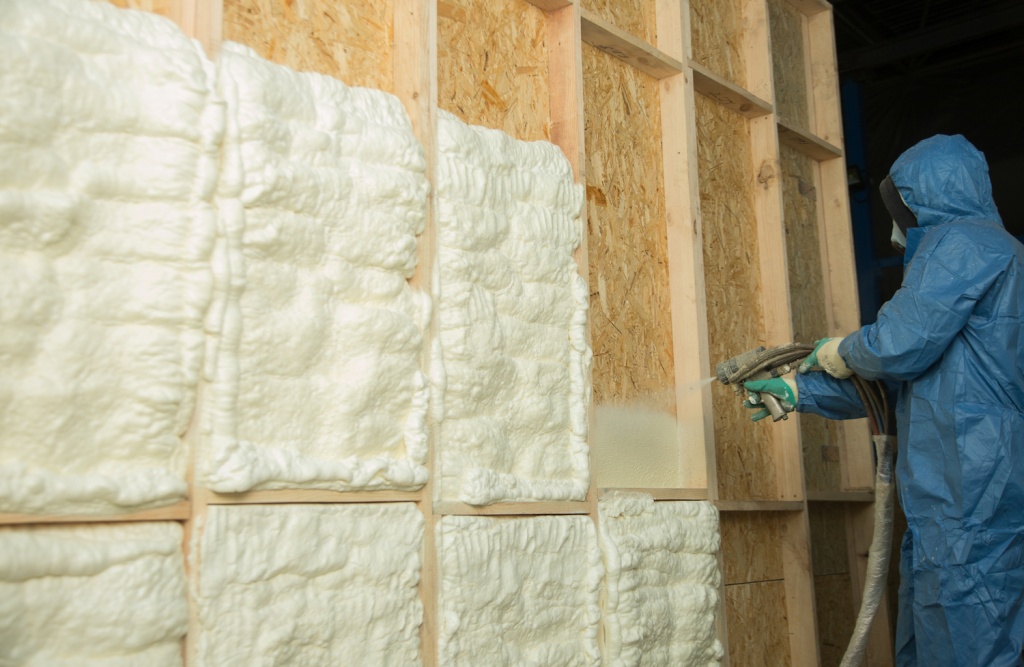
- Jobsite Behavior: Professionals wear PPE, work cleanly, and clearly explain timelines.
- Moisture Management Plans: Especially important in basements, crawl spaces, and rim joists where moisture buildup can lead to mold.

Common Questions When Comparing Spray Foam Insulation Providers
How do I know if a quote is accurate?
Trustworthy companies offer written, itemized quotes that include:
- Labor cost
- Materials per area (in board feet)
- Prep and cleanup time
- Optional services (like removal of old insulation or post-install audits)
Is the more expensive quote always better?
Not necessarily. Price differences can result from brand of spray foam, diagnostic tools used, or warranty length. Evaluate what’s included—not just the number.
What if my house already has insulation?
Insulation can degrade or become compromised. A reputable provider will assess your existing materials and recommend removal, enhancement, or replacement based on performance—not profit.
Should I insulate my home all at once?
Not required. A phased approach can be effective. Start with the attic and crawl space, which typically offer the biggest energy gains.
Common Questions
How long does spray foam insulation last? Properly applied spray foam can last over 30 years, retaining its form and R-value without degrading.
Can I add spray foam over old insulation? Old insulation often holds moisture or dust. Professionals usually remove it first to ensure proper adhesion and moisture control.
Does spray foam work in all seasons? Yes. It seals air gaps year-round, reducing heat gain in summer and heat loss in winter.
Is there a smell after installation? There may be an odor during curing, but it dissipates within 24 hours if applied correctly with proper ventilation.
Do I need to leave home during the process? Yes, it’s usually recommended to vacate the area for 24 hours due to off-gassing during installation.
Final Thoughts
Choosing the right insulation company in Raleigh isn’t just about price—it’s about peace of mind. A trusted provider will assess your structure thoroughly, explain insulation options clearly, and ensure proper application with long-term energy savings in mind.
Whether you’re upgrading for efficiency or tackling specific air sealing issues, choose a professional who uses diagnostics, understands Raleigh’s unique weather patterns, and stands behind their work with a real guarantee.
Ready to Achieve Long-Term Energy Efficiency?
Apply these insights now: Schedule your custom insulation assessment with Raleigh Excel Spray Foam Insulation. Benefit from professional evaluations, advanced materials, and expert knowledge of Raleigh’s climate.
Contact Details Raleigh Excel Spray Foam Insulation 📞 (919) 301-9435 ✉️ info@raleighexcelsprayfoam.com
Reviewer: With nearly a decade in the spray foam insulation field, William Harris reviewed this post and provided guidance that reflects both technical understanding and real-world marketing experience.
