
A professional spray foam insulation visit involves more than just applying material to walls or attics. It includes an organized, efficient process designed to assess energy loss, confirm insulation needs, and apply high-performance foam with accuracy. In Miami, OK, many property owners turn to local foam insulation experts to reduce energy bills and improve indoor comfort.
Understanding what happens when a spray foam insulation company in Miami, OK visits and helps set the right expectations. This guide outlines each step, from inspection to post-installation checks. Whether upgrading old insulation or planning for new construction, knowing the visit’s structure improves decision-making and helps avoid unexpected delays or costs.
Initial Consultation and Pre-Visit Planning
Before any spray foam installation begins, the process starts with an initial consultation. This step ensures both sides are aligned about the scope, expectations, and benefits of the project.
Discussing Insulation Goals and Property Details
Every property has different insulation needs. A visit begins with questions about utility bills, draft issues, temperature inconsistencies, and past insulation performance. This information helps identify priority areas for sealing.
Key focus areas include:
- Uninsulated or poorly insulated attics
- Drafty crawl spaces or rim joists
- Wall cavities with high energy transfer
For homes in Miami, OK, seasonal humidity and temperature fluctuations make foam insulation highly effective in moisture control and year-round energy savings.
On-Site Inspection and Assessment
After initial planning, the next step is a detailed property inspection. This stage evaluates building structure, air leakage points, and insulation access areas.
Evaluating Energy Loss and Air Leakage
Technicians use thermal imaging, blower door tests, or visual checks to find inefficiencies. These tools help pinpoint leaks that commonly occur around:
- Windows and door frames
- Electrical outlets
- Attic hatches
- Crawl space vents
Foam insulation is ideal for sealing these gaps since it expands to fit and adhere tightly to surfaces, blocking both air and moisture.
Verifying Structural Suitability
The installer checks whether existing surfaces can handle spray foam application. Surfaces should be clean, dry, and free from contaminants. In some cases, light prep work may be recommended, such as removing old batt insulation or covering electrical components.
Preparation Before Application
Once the property is assessed, preparation begins. This step is vital for safety and successful installation.
Preparing Work Areas and Ensuring Ventilation
For Miami homes, ventilation is a serious factor, especially during application. Proper airflow helps manage fumes and ensures quick curing. Installers may request windows be opened or use ventilation fans during application.
Additional steps include:
- Covering floors and fixtures
- Masking windows or trim
- Moving or covering personal items near application zones
Spray Foam Visit Summary Table
| Step | Purpose | Tools Involved |
| Site Assessment | Identify insulation gaps and energy leaks | Infrared cameras, blower tests |
| Surface Prep | Ensure clean, dry application areas | Plastic sheeting, tape |
| Foam Application | Seal and insulate with expanding foam | Hoses, spray gun |
| Final Inspection | Verify uniform coverage and curing | Moisture meter, visual check |
The Application Process
The actual spray foam application can take several hours or longer, depending on the scope of the project. Two types of foam may be used: closed-cell or open-cell, each with different properties.
Applying Closed-Cell or Open-Cell Foam
Closed-cell spray foam insulation contractor offers higher density, better moisture resistance, and higher R-value per inch. It’s ideal for crawl spaces and external walls.
Open-cell foam is lighter, flexible, and more cost-effective for large volume areas like attics.
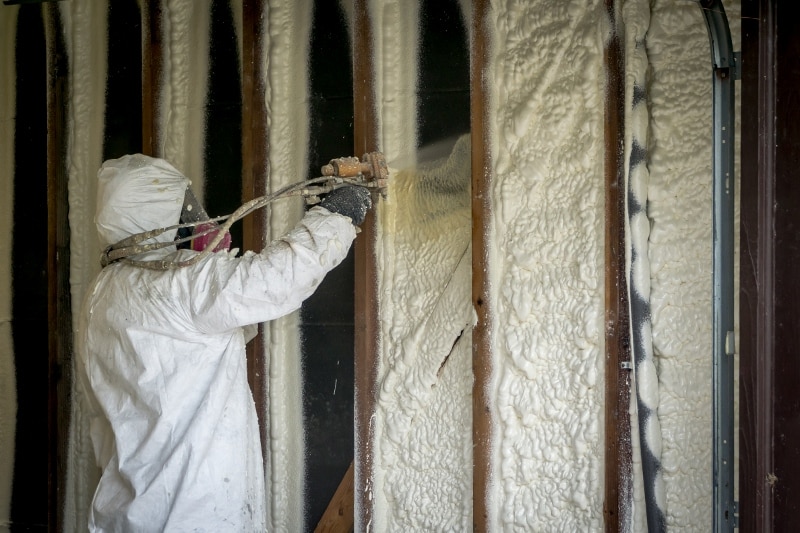
Application begins at one end of the target area and proceeds systematically. Foam expands rapidly and requires skill to apply evenly without overfilling.
Post-Installation Review and Clean-Up
Once foam is applied, a final walkthrough ensures proper curing and coverage. Curing typically takes 24 hours or less, depending on conditions.
Final Inspection and Customer Walkthrough
Technicians perform a full inspection to check for missed spots or excessive foam buildup. Homeowners are usually invited for a walkthrough to review:
- Coverage areas
- Thickness checks
- Ventilation or re-entry timelines
Cleanup includes removing plastic sheeting, tools, and debris. The crew may provide care instructions, such as when it’s safe to re-enter or resume HVAC operation.
Common Questions
How long does a spray foam visit take?
A standard visit for a single-family home in Miami typically takes one full day, including setup and cleanup. Larger projects or those requiring extensive prep work may extend to two days.
Can spray foam be added over existing insulation?
It’s best to remove old insulation before applying spray foam. Existing material can trap moisture, interfere with adhesion, and reduce foam performance.
Is the house safe to stay in during application?
Ventilation is required during installation. For safety, occupants may be asked to vacate for 24 hours, especially during large applications or in closed environments like basements or crawl spaces.
Will the insulation reduce noise as well?
Yes, especially open-cell spray foam. It helps reduce airborne sound by filling cavities and minimizing vibration. It’s commonly used in interior walls and between floors for this reason.

Conclusion
Spray foam insulation visits involve more than just spraying material. From the first consultation to the final inspection, each step is designed to ensure effective coverage, reduced energy loss, and a cleaner indoor environment. For property owners in Miami, OK, understanding this process improves planning and delivers better long-term performance.
Expect a visit to include thorough evaluation, prep, application, and post-installation checks—all tailored to meet insulation goals and climate needs.
Ready to Achieve Long-Term Energy Savings?
Upgrading insulation with spray foam delivers measurable benefits: lower utility bills, reduced drafts, moisture protection, and consistent indoor comfort. A well-executed visit provides a clear roadmap toward better performance and peace of mind—especially in homes facing seasonal weather extremes in Miami.
Ozark Eco Foam Insulation specializes in efficient, reliable spray foam installation throughout Miami, OK. Every visit is built on precision, expertise, and real performance benefits.
Call now to schedule a visit: (620) 383-9092
FAQs
How thick should spray foam be in attics or walls?
The recommended thickness for closed-cell foam is about 2–3 inches in walls and 4–6 inches in roofs or attics. Open-cell foam usually requires deeper fills due to its lower R-value per inch.
Can spray foam insulation fix moisture issues?
Spray foam acts as both an air and vapor barrier, which helps control moisture intrusion. It prevents condensation in walls and crawl spaces, making it a good choice for homes with humidity issues.
What’s the difference between spray foam and fiberglass?
Spray foam offers superior air sealing and moisture resistance. Fiberglass can sag or shift over time, while foam stays in place and continues to block air movement for years.
Will spray foam affect my HVAC sizing?
Yes. Improved insulation and air sealing can reduce heating and cooling loads. This may allow for a smaller, more efficient HVAC system, especially in tightly sealed homes.
Is spray foam insulation safe for indoor use?
Once cured, spray foam is inert and non-toxic. During application, ventilation is critical to manage fumes. After 24 hours, it’s safe for occupants to return to the area.
Author: Jeremy Fields brings over a decade of experience in construction and business to Ozark Eco Foam. With a background in both residential and commercial projects, he focuses on completing each insulation job with accuracy and attention to detail. Ozark Eco Foam reflects his commitment to quality work and practical solutions built on years of hands-on industry knowledge.
Reviewer: Amelia Young contributed insights from 10 years in spray foam insulation. Her review helped sharpen the article’s focus on customer engagement and clear service messaging.
