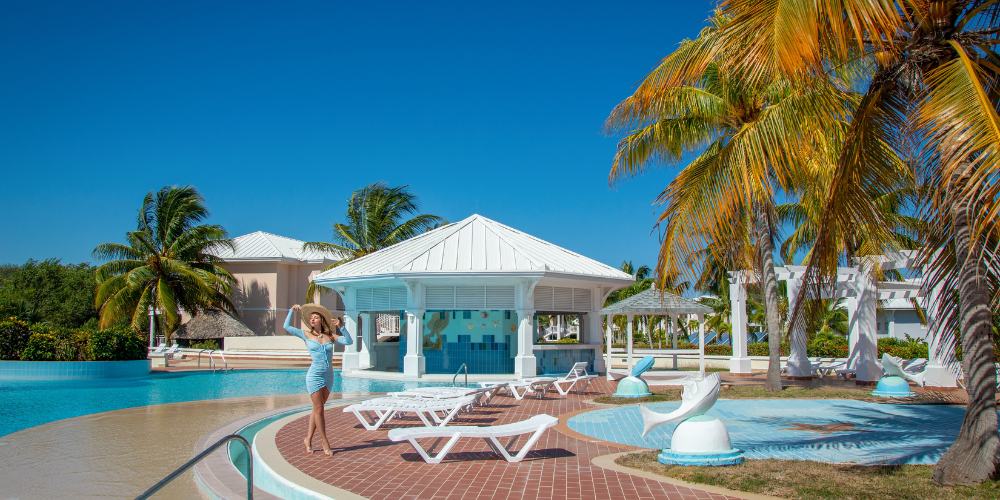
Building a swimming pool in your backyard is an exciting and rewarding project. Imagine having your own private oasis where you can relax, entertain friends, and cool off during hot summer days. But while the idea of a pool is appealing, the reality of building one involves a lot more planning and decision-making than most people expect. Without proper preparation, pool construction can quickly become stressful, costly, and time-consuming.
Before taking the plunge, it’s important to understand the key factors involved. From budget planning and choosing the right materials to navigating permits and selecting the right contractor, knowing what to expect makes the whole process much smoother. One of the first decisions many homeowners make is choosing Inground Pool Installation, a popular choice because it offers long-lasting durability, flexibility in design, and the ability to create a stunning backyard centerpiece. But before committing to this investment, there are several important points to consider to make sure your pool project is successful.
1. Set a Realistic Budget
The first step in any pool project is determining your budget. Inground Pool Installation can vary widely in cost depending on the materials, size, and additional features you choose. A simple rectangular pool will cost less than a custom-designed pool with waterfalls, lighting, and decking. It’s also important to remember that the pool itself is only part of the total cost. Landscaping, fencing, decking, and pool equipment all add to the price.
Don’t forget to plan for ongoing maintenance as well. Pools require cleaning, chemical balancing, heating, and occasional repairs. These costs are long-term, so having a clear budget upfront will prevent unpleasant surprises and help you plan a pool you can afford, both to install and maintain.
2. Choose the Right Type of Pool
When it comes to Inground Pool Installation, there are three main types of pools to consider: concrete, fiberglass, and vinyl liner pools.
- Concrete pools are highly durable and offer the most customization in terms of shape and finish. They do take longer to install and need more maintenance, but they last for decades.
- Fiberglass pools are pre-formed and can be installed faster. They are low maintenance and come in various sizes and styles, though you have less flexibility in shape.
- Vinyl liner pools are the most affordable option. They are smooth and comfortable to swim in, but the liner will need to be replaced every 7–15 years.
Your choice should depend on your budget, desired maintenance level, and backyard design. Each option has its pros and cons, so take time to research before making a decision.
3. Evaluate Your Property
Not every backyard is ready for a pool. Soil type, slope, and drainage all play a role in whether Inground Pool Installation is feasible. For example, rocky or clay-heavy soil may require extra excavation, which increases costs. Narrow driveways, trees, or underground utility lines can also create challenges during construction.
Climate matters too. If you live in a colder area, you may need to plan for heating or covers. In regions with heavy rain, proper drainage systems are essential to avoid flooding or water damage. A thorough property evaluation ensures your pool is safe, practical, and enjoyable for years to come.
4. Understand Permits and Local Regulations
Most areas require permits before you can build a pool. Rules vary depending on your location, covering everything from fencing and electrical work to distance from property lines. Ignoring these requirements can lead to fines, delays, or even having to remove your pool.
Hiring a licensed contractor who understands local regulations makes this process easier. Experienced pool professionals can guide you through permits, inspections, and safety requirements, ensuring your project complies with the law and proceeds without complications.
5. Plan Your Pool Design and Features
A pool is not just a hole filled with water—it’s part of your backyard living space. Before installation, think about how you plan to use the pool. Will it be a family play area, a space for workouts, or a relaxing retreat? Popular features include waterfalls, spas, LED lighting, shallow lounging areas, and even slides or diving boards.
Don’t forget about surrounding elements like decking, seating, and landscaping. These details can transform your pool into a beautiful, functional outdoor space. A professional designer can help you balance aesthetics, usability, and safety, making your backyard a place everyone will enjoy.
6. Consider Maintenance Needs
Owning a pool comes with responsibilities. Regular cleaning, chemical balancing, and equipment checks are necessary to keep your pool safe and inviting. Automated systems like robotic cleaners, saltwater systems, and pool covers can simplify maintenance, but they come with extra costs.
During planning, consider where equipment will be stored and how easy it is to access for cleaning and repairs. Thoughtful maintenance planning makes Inground Pool Installation more enjoyable, and it ensures your pool stays in top condition for years.
7. Select the Right Contractor
Your choice of contractor can make or break a pool project. Look for professionals with licenses, insurance, and experience in Inground Pool Installation. Check reviews, ask for references, and look at past projects. A trustworthy contractor will provide a detailed contract, explain costs, outline the timeline, and answer all your questions clearly.
Good communication is essential. Make sure your contractor understands your vision and can offer guidance on materials, design, and construction methods. A skilled professional ensures that your pool is built safely, efficiently, and to a high standard.
8. Understand the Construction Timeline
Pool installation is not instant. Depending on the type and complexity, construction can take anywhere from a few weeks to several months. Excavation, plumbing, electrical work, and finishing all take time, and weather can cause delays.
Be prepared for temporary disruptions to your backyard. Noise, dust, and limited access are normal during construction. Understanding the timeline and planning around it will make the process less stressful and help you manage expectations.
9. Plan Your Landscaping and Outdoor Space
A pool is only one part of your backyard oasis. Landscaping adds beauty, privacy, and functionality. Consider decking, plants, shade structures, and privacy screens. While trees provide shade, they can also drop leaves into the pool, increasing maintenance.
Thoughtful landscaping enhances both aesthetics and safety. Planning this during Inground Pool Installation ensures your pool area is cohesive, attractive, and practical.
10. Think About Long-Term Value
Finally, consider how your pool will affect your home’s value. Pools can increase property value but may not appeal to all buyers due to maintenance costs. Choosing a design, size, and features that enhance both enjoyment and resale potential is key.
Investing in quality materials, professional installation, and proper landscaping ensures your pool remains a valuable asset. With careful planning, your backyard pool becomes a source of fun, relaxation, and lasting memories.
Conclusion
Inground Pool Installation is an exciting investment that can transform your backyard into a personal retreat. But building a pool is more than just digging a hole—it requires thoughtful planning, budgeting, and decision-making. From evaluating your property and understanding permits to choosing the right design and contractor, being informed is the key to success.
By carefully planning each step and considering long-term maintenance and value, you can ensure your pool project runs smoothly and gives you years of enjoyment. A well-designed pool becomes more than a luxury—it’s a centerpiece for family memories, social gatherings, and outdoor living. With the right preparation, your dream backyard is within reach.