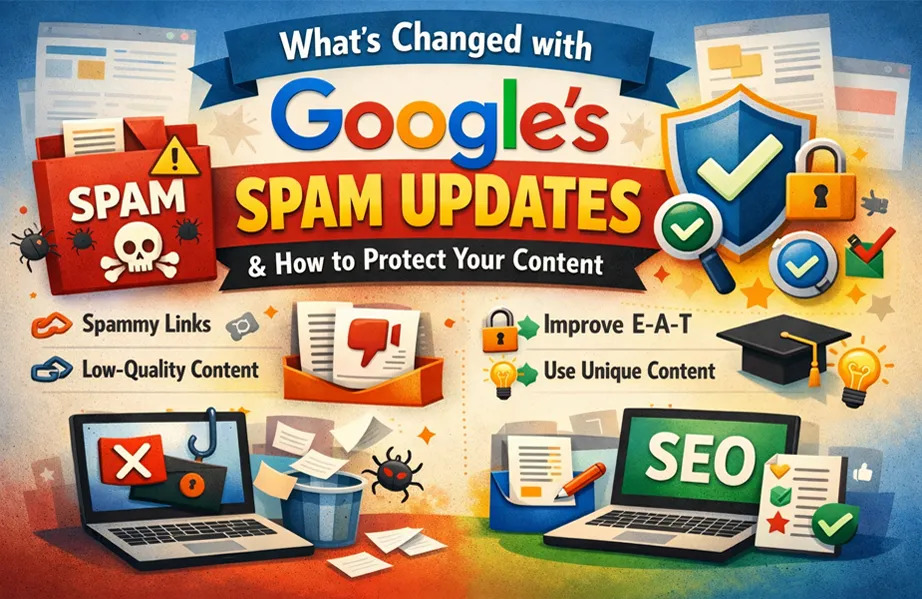
Google’s spam updates have become more frequent and more advanced, targeting websites that rely on manipulative SEO practices. These updates focus on reducing the impact of unnatural link building, technical manipulation, and low-quality or misleading content. Their main goal is to ensure users receive reliable, relevant, and high-quality information. Understanding these changes and following best practices for the Google Spam Update is essential to protect your website’s rankings and long-term visibility.
Stronger Focus on Link Spam and Manipulation
Recent updates, including the August 2025 Spam Update and multiple Link Spam Updates, have placed greater emphasis on identifying unnatural backlink patterns. Paid links, private blog networks (PBNs), excessive link exchanges, and spammy directories are now detected more accurately. Google no longer just ignores bad links; it evaluates the intent behind them and may penalize sites that repeatedly attempt to manipulate rankings.
Advanced Detection of Low-Quality and AI Content
Google’s systems have improved in identifying content that lacks originality, depth, and real user value. While AI-generated content is not banned, low-effort or unedited AI content created only to rank is more likely to be flagged. Google now looks for signals of authenticity, expertise, and usefulness. Content must feel human, informative, and purposeful.
Technical Spam and Site Abuse Signals
Technical spam is another major focus. This includes practices such as cloaking, hidden text, auto-generated pages, doorway pages, keyword stuffing, and misleading structured data. Even small technical manipulations can raise red flags if they appear to be part of a pattern designed to deceive search engines.
Shift Toward Intent and User Value
Google now evaluates not only what content is written, but why it exists. Pages created purely for keyword targeting without real user benefit are more likely to lose visibility. Content that answers real questions, solves problems, and demonstrates expertise is rewarded over shallow or repetitive pages.
How to Protect Your Content from Spam Updates
To stay safe from spam penalties, always focus on quality and authenticity. Create original, helpful, and well-researched content that genuinely serves your audience. Avoid keyword stuffing and write naturally. Every page should have a clear purpose and provide meaningful information.
Build Links the Right Way
Earn backlinks organically through valuable content, partnerships, and genuine outreach. Avoid buying links or participating in link schemes. Regularly audit your backlink profile and disavow toxic or spammy links that could harm your site’s authority.
Maintain Strong Technical SEO
Ensure your website follows clean technical practices. Avoid hidden content, deceptive redirects, or misleading schema. Keep your site fast, mobile-friendly, and easy to navigate. Regular technical audits help prevent accidental spam signals.
Responsible Use of AI Content
AI tools can be helpful, but all AI-assisted content must be reviewed, edited, and enhanced by humans. Add originality, insights, and accuracy to ensure the content meets Google’s quality standards and truly benefits users.
Final Thoughts
Google’s spam updates are not designed to punish honest websites but to promote trust, transparency, and user-focused content. By prioritizing originality, ethical SEO practices, and strong technical foundations, you can protect your website from spam-related penalties and build sustainable long-term rankings.
Read more: –https://creationinfoways.com/whats-changed-with-googles-spam-updates-how-to-protect-your-content/