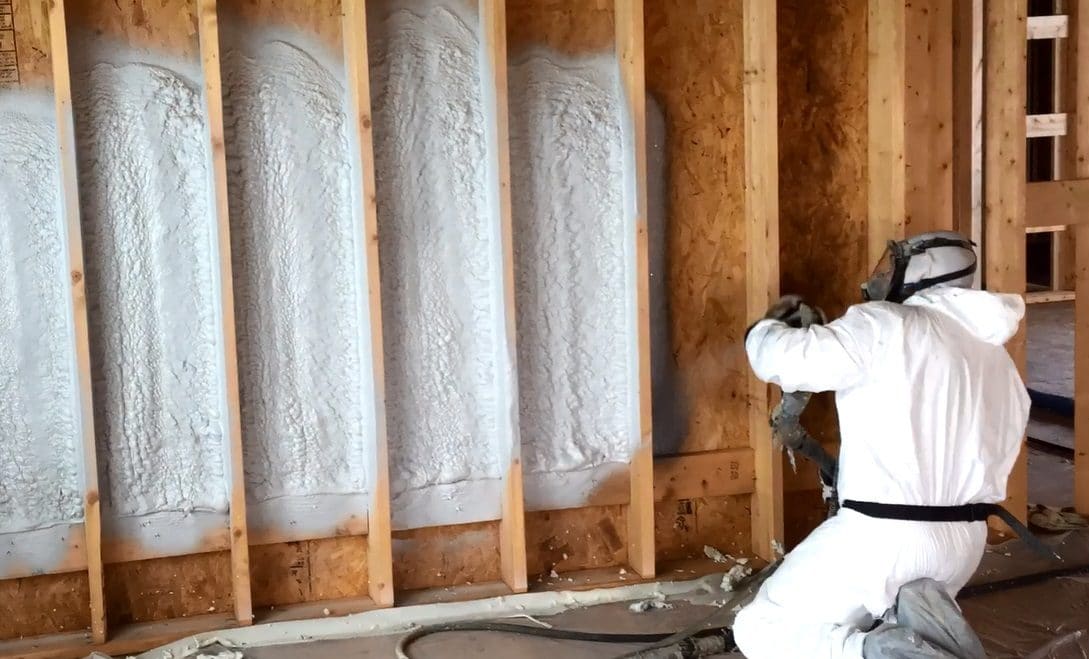
Spray foam insulation functions as both a high-performance thermal barrier and a powerful air seal. Upon application, the chemical mixture expands rapidly to fill cracks, crevices, and voids that traditional materials like fiberglass often leave exposed. This dual action creates a continuous envelope around a structure, which significantly reduces energy transfer and blocks outdoor pollutants from entering the living space.
While many insulation products merely slow down the loss of heat, spray foam actually stops air movement. This distinction is the primary reason it outperforms older methods in terms of energy efficiency. Industry professionals recognize that controlling air leakage is just as effective for temperature regulation as the R-value of the material itself. By addressing both airflow and thermal resistance, this material provides a level of climate control that batt insulation cannot match.
Understanding How the Material Works
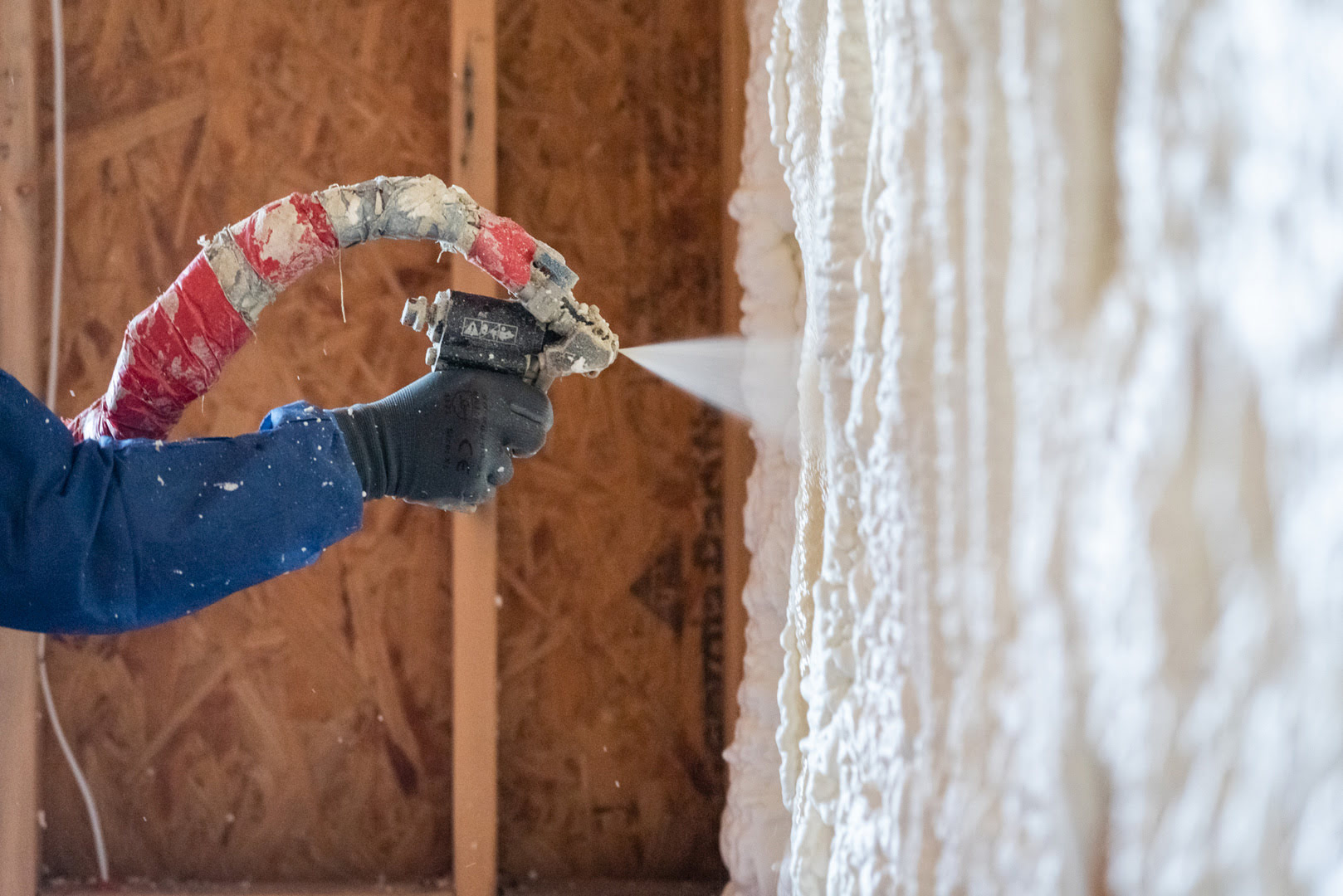
The technical process behind spray foam involves two liquids combining at the tip of a spray gun. These liquids react instantly, expanding to many times their original volume. This expansion allows the material to conform to irregular shapes, framing studs, and tight corners where drafts usually originate.
The Difference Between Open-Cell and Closed-Cell
Homeowners and builders must choose between two primary types of foam, each serving specific needs. Open-cell foam is lighter, softer, and more flexible. The cells in the foam structure are not completely closed, which makes the material spongy. It serves as an excellent sound deadener and is generally more affordable. However, it does not provide a moisture barrier and has a lower R-value per inch.
Closed-cell foam is much denser and rigid. In this version, the bubbles are pressed together tightly so air and moisture cannot get inside. This density gives it a higher R-value per inch and allows it to act as a vapor retarder. It also adds structural rigidity to walls and roofs, making it a preferred choice for exterior walls or areas prone to flooding.
Why Density Matters
The density of the foam determines its final hardness and insulation value. Closed-cell foam usually weighs about two pounds per cubic foot, while open-cell weighs about half a pound. This weight difference indicates how much plastic material constructs the foam. More material generally equates to better resistance against heat flow and moisture.
Bonus Tip: Check the R-Value Per Inch
When comparing quotes, always ask for the R-value per inch, not just the total R-value. Closed-cell typically offers R-6 to R-7 per inch, while open-cell offers R-3.5 to R-3.8. Knowing this helps verify that the contractor plans to spray the correct thickness for the specific climate zone.
Contractors must monitor temperature and humidity during installation to ensure the chemical reaction occurs correctly.
Energy Efficiency and Cost Savings
Air leakage is responsible for a significant portion of energy waste in residential and commercial buildings. When air escapes through electrical outlets, baseboards, and attic hatches, the HVAC system must work harder to maintain the set temperature. This constant cycling increases wear on mechanical systems and drives up monthly utility bills.
Market data indicates that air sealing combined with proper insulation can lower heating and cooling costs by an average of 15% to 50%, depending on the age of the structure. Spray foam addresses these leaks inherently during installation. By sealing the building envelope, the workload on air conditioners and furnaces decreases, often allowing builders to install smaller, less expensive HVAC units.
The Air Barrier Advantage
Fiberglass and cellulose act like wool sweaters; they keep you warm, but wind blows right through them. Spray foam acts like a windbreaker. It prevents conditioned air from leaking out and hot or cold outside air from sneaking in. This creates a more consistent indoor temperature, eliminating hot spots in the summer and cold drafts in the winter.
Impact on Structural Integrity and Longevity
Beyond temperature control, certain types of spray foam contribute to the physical strength of a building. This is a benefit rarely found in other insulation materials. Because the foam adheres aggressively to the substrate, it bonds the exterior sheathing to the wall studs.
Strengthening Walls and Roofs
Closed-cell foam can increase the racking strength of walls by up to 300%. This added rigidity is particularly beneficial in areas that experience high winds or storms. The foam acts as a glue that holds the building components together, reducing the risk of movement or damage during severe weather events.
Resistance to Settling and Sagging
One major drawback of blown-in cellulose or fiberglass batts is that they settle over time. Gravity pulls the material down, leaving gaps at the top of wall cavities where heat can pass through freely. Spray foam cures in place and retains its shape indefinitely. It does not sag, settle, or shrink significantly, ensuring that the insulation value remains consistent ten or twenty years after installation.
Comparison of Common Insulation Materials
Making an informed choice requires looking at the specifications of available options. The table below outlines how spray foam stacks up against traditional competitors regarding key performance metrics.
| Feature | Closed-Cell Spray Foam | Open-Cell Spray Foam | Fiberglass Batts | Cellulose (Blown-In) |
|---|---|---|---|---|
| R-Value per Inch | High (R-6 to R-7) | Moderate (R-3.5 to R-3.8) | Moderate (R-3.1 to R-4.3) | Moderate (R-3.2 to R-3.8) |
| Air Seal | Excellent (Built-in) | Excellent (Built-in) | Poor (Requires separate barrier) | Fair (Reduces but doesn’t stop) |
| Moisture Barrier | Yes | No | No | No (Absorbs moisture) |
| Lifespan | 80+ Years | 80+ Years | 15-25 Years | 20-30 Years |
| Sound Dampening | Good | Excellent | Fair | Good |
| Cost | High | Moderate | Low | Low to Moderate |
Things to Consider Before Making a Decision
Choosing spray foam represents a larger upfront financial commitment compared to other methods. Property owners should weigh this initial expense against the long-term reduction in energy bills. The return on investment usually takes several years, so this solution makes the most sense for those planning to occupy the building for a long period.
The Importance of Proper Installation
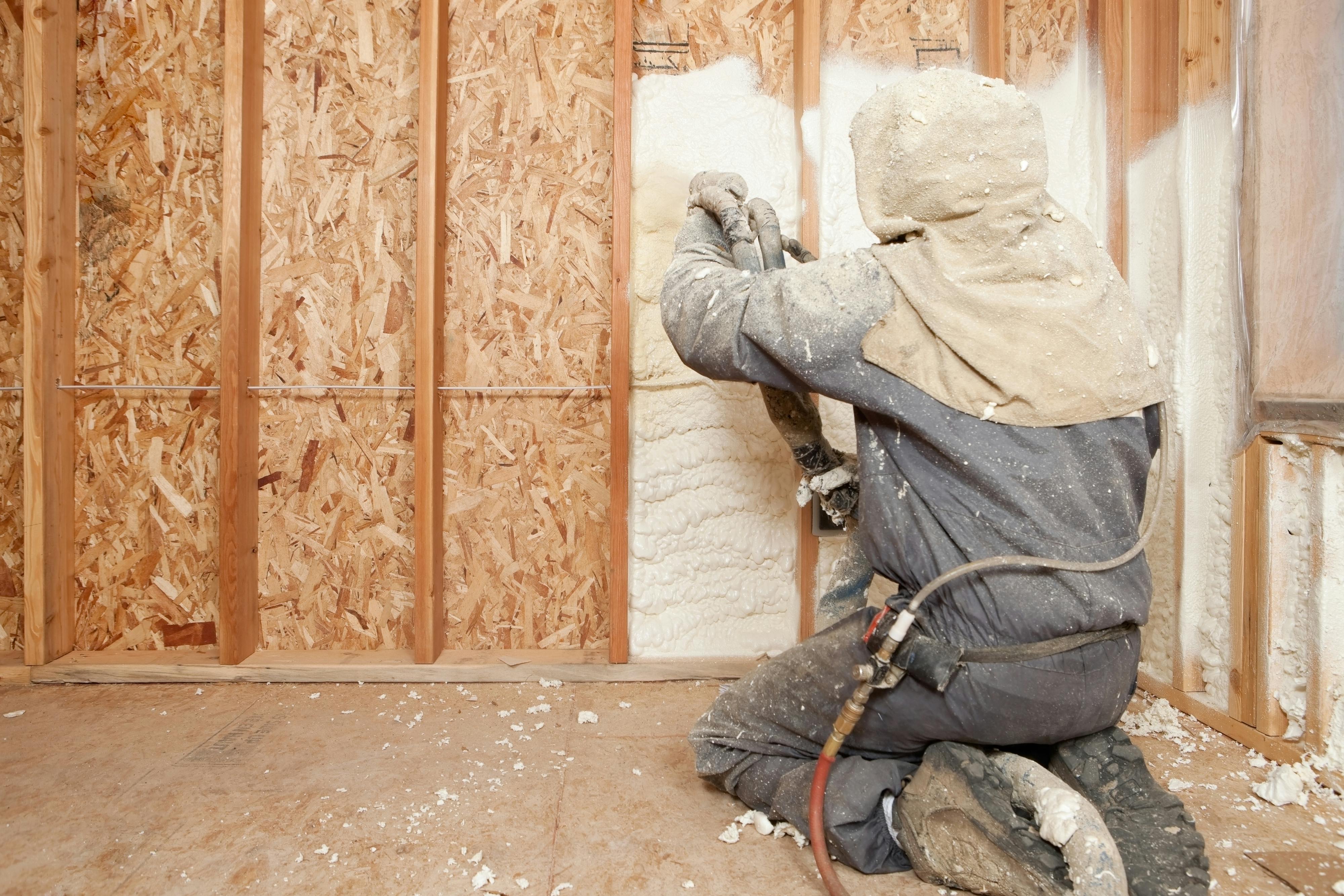
The chemical mixture requires precise handling. If the ratio of the two liquids is off, or if the chemicals are too cold, the foam may not cure properly. This can lead to lingering odors or separation from the wall studs. It is vital to hire experienced contractors who maintain their equipment and understand the chemistry involved.
Bonus Tip: Off-Gassing Protocols
Always ask the installation team about the re-entry time. Occupants typically need to leave the house for 24 to 48 hours after spraying to allow the material to off-gas safely. A reputable provider will be transparent about these safety requirements.
Regional Considerations for Insulation
Climate plays a massive role in determining the right insulation strategy. What works in a humid coastal region may not be suitable for a dry desert environment.
Hot Climates and Cooling Loads
In regions with intense heat, such as the areas served by Supreme Spray Foam LV, the primary goal is keeping heat out. Spraying the underside of the roof deck in the attic prevents the attic space from becoming a superheated oven. This technique, known as an unvented attic assembly, brings ductwork inside the conditioned space, preventing energy loss as cool air travels through the ducts.
Cold Climates and Moisture Control
In colder regions, the focus shifts to preventing heat loss and controlling condensation. When warm indoor air meets a cold wall, water droplets form. Closed-cell foam prevents this warm air from touching cold surfaces, effectively stopping condensation within the walls. This reduces the risk of mold growth, which is a common failure point for fiberglass in cold climates.

Common Questions About Spray Foam
Homeowners often have specific concerns regarding safety, maintenance, and application.
Is spray foam insulation safe for my family?
Yes, once the foam has fully cured, it is inert and safe. The curing process typically takes 24 to 48 hours. During this brief window, the site should be vacated. After curing, the material does not release toxic fumes and contributes to better indoor air quality by sealing out allergens.
Can I install spray foam myself?
While DIY kits exist for small patch jobs, insulating a whole room or house requires professional equipment. The high-pressure systems used by pros heat the chemicals to exact temperatures to ensure a quality product. DIY kits often lack this precision, leading to poor coverage and potential chemical waste.
Does spray foam attract pests or rodents?
No, the material offers no nutritional value to rodents or insects. Unlike soft fiberglass which mice often use for nesting material, cured spray foam is difficult to burrow through. However, it is not a pesticide; it simply acts as a physical barrier that discourages entry.
Will spray foam rot my roof deck?
This is a common myth. Rot occurs when moisture gets trapped. If the roof leaks from the outside, the water must be addressed immediately. However, spray foam applied to the underside of the deck actually prevents moisture from inside the house from reaching the wood and condensing. Proper application helps preserve the roof deck.
How long does spray foam insulation last?
The material is indefinite. It does not degrade, shrink, or lose its R-value over time. Unless the material is physically removed or destroyed during a renovation, it will last for the life of the building.
Summary of Key Takeaways
Spray foam insulation offers a comprehensive solution for thermal management and air sealing. By expanding to create a continuous barrier, it outperforms traditional materials in energy efficiency, structural strength, and longevity. While the initial investment is higher, the reduction in utility costs and the improvement in indoor comfort often justify the expense for long-term property owners. Readers should evaluate their local climate, budget, and specific building needs before proceeding.
Next Steps for Your Project
For property owners looking to improve their building’s energy performance, consulting with a specialized contractor is the logical next step. A professional assessment can determine if open-cell or closed-cell foam is the correct application for the specific structure.
Those located in the Las Vegas area can reach out to Supreme Spray Foam LV for a detailed evaluation. Their team assists clients in understanding the scope of work required to secure the building envelope effectively. Interested parties can send inquiries to info@supremesprayfoamlv.com or discuss project specifics by calling (702) 904-9895.
Reviewer: Michael Carter reviewed this article using insight gained over 12 years in the spray foam business. His feedback focused on helping contractors reach new customers without overcomplicating their message.