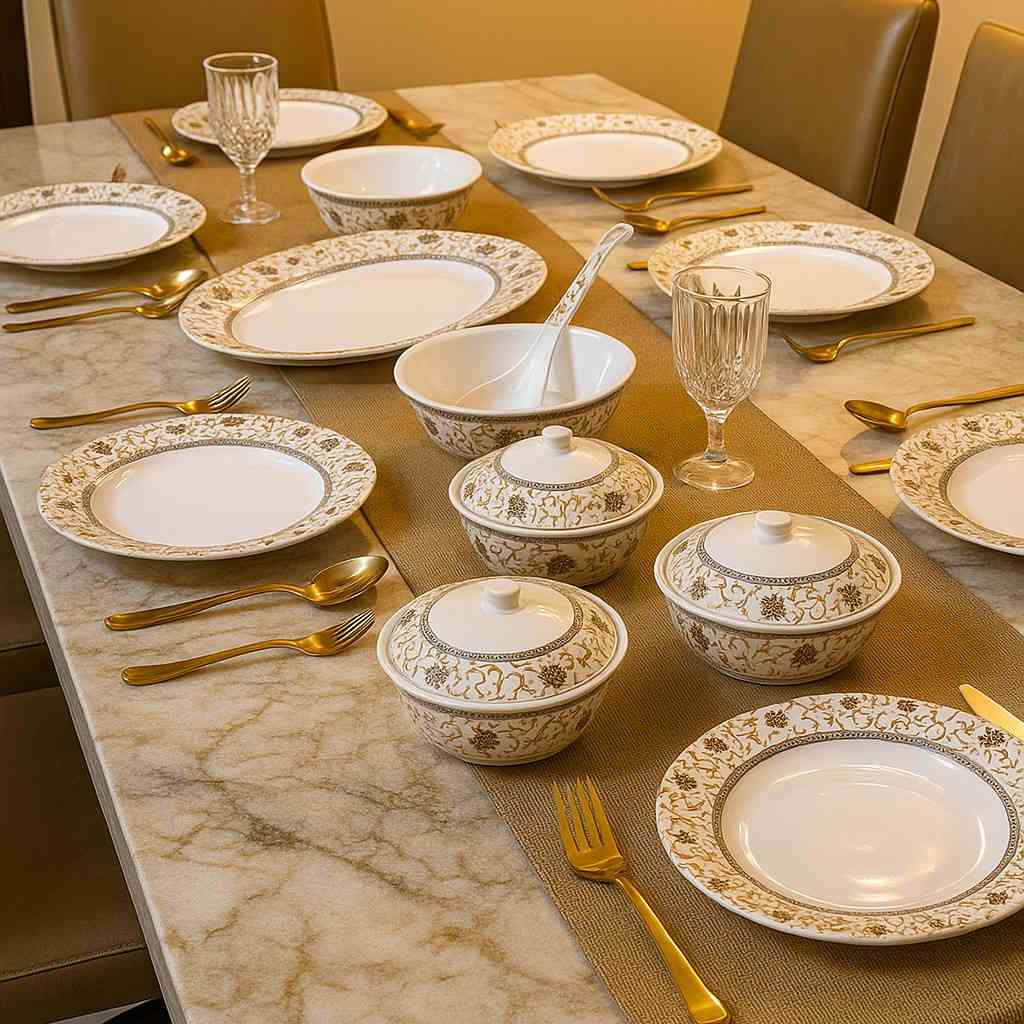
When you start shopping for a new crockery set, one of the first questions that pops up is: Which material should I choose? With so many options like ceramic, porcelain, bone china, glass, melamine, and stoneware, it can feel confusing to decide what’s truly best for everyday use.
After all, a crockery set isn’t something you buy often. It’s a long-term kitchen companion—used for daily meals, quick snacks, family dinners, and even casual hosting. So choosing the right material matters more than you might think.
Let’s talk about this in a simple, practical, and human way. No technical overload—just honest guidance to help you pick the best crockery set material for daily life.
What does “best for everyday use” really mean?
Before jumping into materials, it’s important to understand what we actually expect from an everyday crockery set.
For daily use, a good crockery set should be:
-
Durable and long-lasting
-
Easy to clean
-
Safe for regular meals
-
Comfortable to handle
-
Suitable for Indian-style cooking and serving
-
Affordable and practical
The “best” material is the one that balances all these factors—not just the one that looks the fanciest.
Let’s compare the most common crockery set materials
Here are the most popular crockery materials used in Indian homes and kitchens today:
-
Ceramic
-
Porcelain
-
Bone China
-
Stoneware
-
Glass
-
Melamine
Each of these has its own strengths and weaknesses. Let’s look at them one by one.
Ceramic crockery set – A popular everyday favorite
Ceramic is one of the most commonly used materials for crockery sets—and for good reason.
A ceramic crockery set is:
-
Strong and durable
-
Affordable
-
Easy to clean
-
Available in endless designs
-
Suitable for daily meals
Ceramic plates and bowls are thick enough to handle regular use and washing. They don’t stain easily and are generally microwave and dishwasher-safe.
For Indian households where meals often include curries, rice, and rotis, a ceramic crockery set works extremely well.
Best for: Families looking for a balance of style, durability, and budget-friendliness.
Porcelain crockery set – Lightweight and elegant
Porcelain is a refined type of ceramic that is smoother, thinner, and more elegant.
A porcelain crockery set offers:
-
A premium, classy look
-
Lightweight feel
-
High durability despite being thin
-
Resistance to stains and scratches
Porcelain is slightly more expensive than regular ceramic but still very practical for everyday use. It’s perfect if you want something that feels fancy but can still handle daily meals.
Best for: People who want an elegant yet practical crockery set for regular use.
Bone China crockery set – Luxury with care
Bone china is often considered the most luxurious crockery material. It’s lightweight, delicate-looking, and beautifully translucent.
But here’s the reality:
A bone china crockery set is better suited for occasional use rather than rough daily handling.
While bone china is surprisingly strong for its thinness, it still requires careful use. Frequent washing and heavy daily meals can cause wear over time.
Best for: Special occasions, guests, and festive dining—not heavy everyday use.
Stoneware crockery set – Heavy-duty and rustic
If durability is your top priority, stoneware is an excellent option.
A stoneware crockery set is:
-
Thick and sturdy
-
Resistant to chips
-
Great for daily Indian meals
-
Perfect for families with kids
Stoneware plates and bowls feel solid and substantial. They can handle frequent use, reheating, and washing without much worry.
The only downside? Stoneware is heavier than ceramic or porcelain, which some people may find less convenient.
Best for: Homes that need tough, long-lasting crockery for everyday meals.
Glass crockery set – Modern and stylish
Glass crockery sets are becoming increasingly popular because of their clean, transparent look.
Advantages of a glass crockery set:
-
Non-porous and hygienic
-
Doesn’t absorb stains or odors
-
Looks modern and elegant
-
Easy to clean
However, glass crockery can be fragile and prone to breakage, especially in busy households.
Best for: Light everyday use or as a secondary crockery set.
Melamine crockery set – Practical and kid-friendly
Melamine crockery sets are lightweight, colorful, and almost unbreakable.
They are great for:
-
Families with small children
-
Outdoor dining
-
Everyday casual meals
-
Rough and regular use
But melamine is not microwave-safe and may not be ideal for very hot foods.
Best for: Daily use where durability matters more than premium feel.
So, which crockery set material is truly best for everyday use?
If we look at all factors—durability, convenience, safety, and price—here’s the practical verdict:
The top choices for daily use are:
-
Ceramic crockery set – Overall best option
-
Stoneware crockery set – Best for heavy-duty use
-
Porcelain crockery set – Best for elegant everyday dining
These three materials strike the perfect balance between style and practicality.
Materials to avoid for strict everyday use
-
Bone China – Better for occasional use
-
Glass – Beautiful but fragile
-
Melamine – Durable but not ideal for very hot food
These can be great additions to your kitchen, but not necessarily the primary everyday crockery set.
Things to consider before buying a crockery set for daily use
Material is important, but a few other factors matter too.
1. Microwave and dishwasher safety
For everyday convenience, make sure your crockery set is microwave and dishwasher-safe.
2. Size and number of pieces
Choose a set based on your family size. A 12–18 piece crockery set works well for small families, while larger families may need 24–32 pieces.
3. Design and color
For daily use, simple and neutral designs are easier to maintain than very light or heavily patterned ones.
4. Weight
Heavy plates may feel sturdy, but they can become tiring for regular use. Balance is key.
Indian cooking needs special consideration
In Indian homes, meals often include:
-
Oily curries
-
Spicy gravies
-
Hot rotis
-
Rice and dals
Your everyday crockery set should be able to handle all of this without staining, cracking, or getting damaged easily.
That’s why ceramic, porcelain, and stoneware usually work best for Indian-style dining.
A smart approach: keep two crockery sets
Many homes follow a practical system:
-
One sturdy everyday crockery set
-
One elegant set for guests and occasions
This keeps your daily plates practical while preserving a special set for hosting.
Final thoughts
Choosing the right crockery set for everyday use doesn’t have to be complicated.
If you want a simple, safe, and reliable choice—go for a ceramic crockery set.
If you need something tougher and more durable—choose stoneware.
If you prefer elegance with practicality—pick porcelain.
The best crockery set is the one that fits your lifestyle, your cooking habits, and your family needs.
At the end of the day, your crockery set should make daily meals easier, not stressful. Choose wisely, and it will serve you beautifully for years to come.