
Tooth trauma is a common dental concern that can occur due to accidents, falls, sports injuries, or biting on hard objects. Restoring the damaged tooth is essential not only for aesthetics but also for functionality and long-term oral health. One of the most reliable and aesthetically pleasing solutions for repairing a traumatized tooth is a ceramic crown. For patients seeking advanced dental care, Ceramic Crowns in Islamabad have become a top choice among cosmetic and restorative dentists. These crowns offer durability, natural appearance, and compatibility with oral tissues, making them ideal for teeth that have undergone trauma. In this FAQ guide, we will answer common questions about ceramic crowns, their benefits, procedure, and why dentists recommend them after tooth trauma.
What Is a Ceramic Crown?
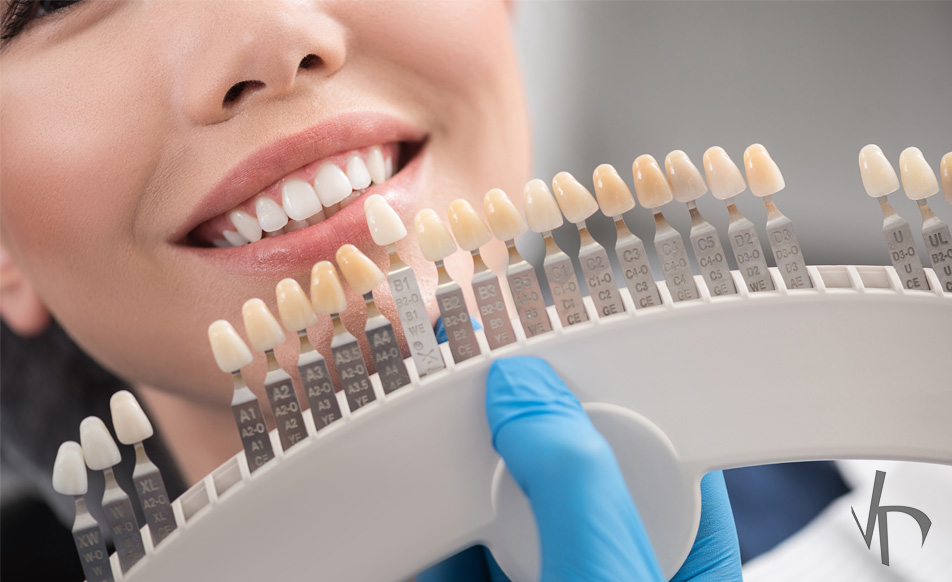
A ceramic crown is a tooth-shaped cap made from high-quality dental ceramic materials designed to cover and protect a damaged or weakened tooth. Unlike metal or porcelain-fused-to-metal crowns, ceramic crowns are:
-
Highly aesthetic: They match the color and translucency of natural teeth.
-
Biocompatible: Less risk of allergic reactions.
-
Durable: Resistant to wear and fracture under normal chewing forces.
Ceramic crowns restore both the functionality and appearance of teeth affected by trauma, cracks, or extensive decay.
Why Are Ceramic Crowns Recommended After Tooth Trauma?
Tooth trauma can lead to:
-
Fractures or cracks
-
Enamel chipping
-
Nerve exposure
-
Weakening of the tooth structure
Ceramic crowns are ideal because they:
-
Protect the remaining tooth structure from further damage
-
Restore proper bite and chewing function
-
Provide long-lasting aesthetic results
-
Prevent sensitivity and nerve exposure
They are especially recommended for front teeth because of their natural appearance and ability to blend seamlessly with surrounding teeth.
How Does the Procedure Work?
The ceramic crown procedure typically involves the following steps:
-
Assessment and X-Ray: The dentist examines the damaged tooth and may take X-rays to assess root and bone health.
-
Tooth Preparation: The damaged portion of the tooth is reshaped to accommodate the crown.
-
Impression Taking: A digital or physical mold of the tooth is taken to create a custom crown.
-
Temporary Crown Placement: A temporary crown protects the tooth while the permanent ceramic crown is being fabricated.
-
Permanent Crown Placement: The custom ceramic crown is bonded permanently using dental cement.
-
Final Adjustments: The dentist ensures proper bite alignment and polish for natural aesthetics.
The entire process usually requires two to three visits, depending on the complexity of the case.
What Are the Benefits of Ceramic Crowns?
Ceramic crowns offer multiple advantages over other types of dental restorations:
| Feature | Ceramic Crowns | Metal Crowns | Porcelain-Fused-to-Metal Crowns |
|---|---|---|---|
| Aesthetics | Excellent; natural tooth-like appearance | Poor; metallic color | Good, but may show dark lines at the gum |
| Biocompatibility | High; no allergies | Medium; potential allergic reactions | Medium; some irritation possible |
| Durability | High; strong against normal biting forces | Very high | Moderate |
| Tooth Preservation | Requires less aggressive preparation | Requires more tooth removal | Moderate |
| Stain Resistance | Excellent | Excellent | Moderate |
These benefits make ceramic crowns particularly suitable for restoring traumatized teeth, ensuring both protection and cosmetic appeal.
Are Ceramic Crowns Durable Enough for Front Teeth and Molars?
Yes. Modern ceramic materials, such as zirconia or lithium disilicate, are highly durable and can withstand daily biting and chewing forces. While traditional ceramic crowns were more prone to chipping, newer materials provide strength comparable to natural enamel, making them suitable for:
-
Front teeth for aesthetics
-
Molars for functionality and strength
Dentists usually evaluate bite alignment and occlusion to ensure longevity and prevent fractures.
Do Ceramic Crowns Protect the Tooth Nerve?
After trauma, the tooth pulp (nerve) may be exposed or damaged. Ceramic crowns help:
-
Shield the nerve from further impact
-
Prevent bacterial contamination
-
Reduce sensitivity to hot or cold foods
In some cases, a root canal treatment may be required before crown placement if the nerve is significantly affected.
How Long Do Ceramic Crowns Last?
Ceramic crowns are highly durable and can last 10–15 years or even longer with proper care. Factors influencing longevity include:
-
Oral hygiene habits
-
Bite forces and grinding habits
-
Regular dental check-ups
-
Avoiding very hard foods
Regular maintenance, including brushing, flossing, and professional cleanings, ensures maximum lifespan.
Reviews: Real Patient Experiences With Ceramic Crowns
“I had a front tooth broken in a fall. My dentist recommended a ceramic crown. The result was amazing—it looks completely natural, and I can smile confidently again.”
“After an accident, my back molar was weakened. The ceramic crown restored my chewing ability perfectly. No sensitivity and looks just like my natural teeth.”
“I was worried about the procedure, but the dentist explained each step. The crown fits perfectly, and my bite feels natural. Highly recommended.”
Are There Any Risks or Complications?
Ceramic crowns are safe and biocompatible, but minor issues may occur:
-
Temporary sensitivity after placement
-
Gum irritation for a few days
-
Rare chipping if excessive force is applied
-
Need for replacement after 10–15 years
Overall, the benefits far outweigh the risks, especially when crowns are placed by an experienced dentist.
Can Ceramic Crowns Improve the Aesthetics of a Traumatized Tooth?
Absolutely. Ceramic crowns are designed to:
-
Match the color, translucency, and texture of surrounding teeth
-
Restore natural-looking contours
-
Correct misalignment or uneven edges due to trauma
This makes them the preferred choice for visible teeth where aesthetics are a priority.
Do Ceramic Crowns Require Special Maintenance?
No special care is required beyond standard oral hygiene:
-
Brush twice daily with non-abrasive toothpaste
-
Floss daily
-
Avoid excessive biting of hard objects
-
Visit the dentist every 6 months for check-ups
Proper maintenance ensures longevity and preserves the crown’s aesthetic appearance.
Conclusion
For patients recovering from tooth trauma, ceramic crowns offer an optimal combination of strength, protection, and natural aesthetics. They protect weakened teeth, restore function, and improve appearance, making them the preferred choice for both front and back teeth. Ceramic Crowns in Islamabad provide long-lasting solutions, especially when placed by skilled cosmetic and restorative dentists. If your tooth has suffered trauma, consulting a professional about ceramic crown placement is the first step toward restoring both your smile and oral health.
Contact Us – Book Your Consultation Today!
Ready to restore your smile with Ceramic Crowns in Islamabad?
Our team at Glamorous Clinic Islamabad specializes in advanced dental restorations and cosmetic solutions to protect and beautify your teeth.
Address : Office Number LG 20 – 21 Interlace Plaza I-8 Markaz Islamabad
Phone : +92 333 5705871
Email : info@glamorousclinic.com.pk
Link : https://www.glamorousclinic.com.pk/
