
Property managers rely on commercial spray foam insulation services for upgrades because the material improves energy performance, reduces maintenance costs, and supports long term building durability. It seals gaps, limits air leakage, and adds insulation value in one step, making it easier to meet efficiency goals and maintain stable indoor conditions. These benefits matter for commercial buildings that face high energy use and frequent occupancy changes.
This article explains why commercial property managers choose spray foam for upgrades, how it fits into common building goals, and what factors they consider before investing. The information reflects real industry experience and practical use across office, retail, and industrial buildings in regions like Raleigh, where humidity and temperature swings can affect building performance.
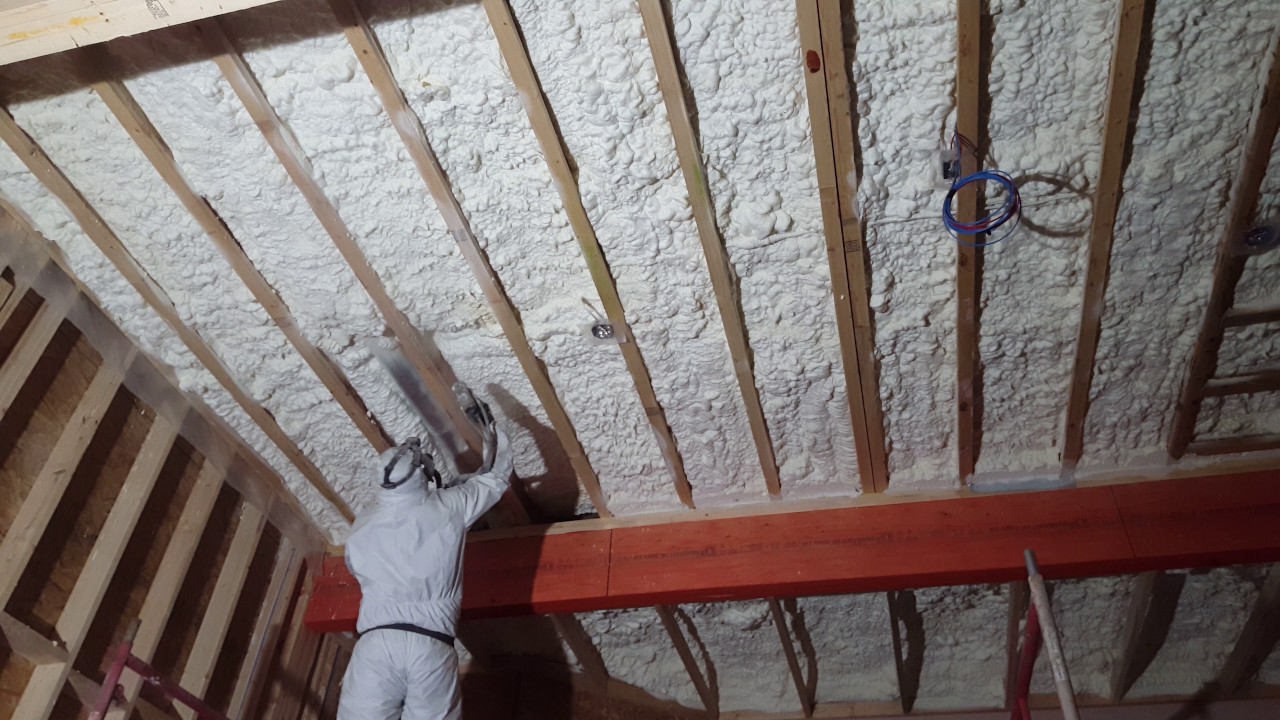
How Spray Foam Meets Commercial Building Needs
Commercial properties often have higher energy demands than homes. Spray foam insulation helps managers control energy costs while improving tenant comfort and building performance.
Property managers track energy use, tenant complaints, and repair needs. Spray foam addresses these issues by creating a tight building envelope and reducing air movement through walls, roofs, and floors.
Energy Savings and Building Performance
Spray foam reduces air leaks that cause HVAC systems to run longer. This can lower energy use in buildings that operate for long hours.
Building Systems and Efficiency
In commercial buildings, HVAC systems often represent the largest utility cost. Better insulation means shorter run times and less strain on equipment.
Indoor Comfort and Tenant Retention
Consistent temperatures and reduced drafts improve tenant satisfaction. Buildings that feel comfortable also face fewer complaints and lower turnover.
Moisture Control and Durability
Moisture problems can lead to mold, rot, and damage to building materials. Spray foam reduces moisture movement by sealing gaps and improving building shell integrity.
Where Property Managers See the Most Value
Property managers look for upgrades that offer measurable results. Spray foam often provides clear performance improvements in key areas.
Common Upgrade Areas in Commercial Buildings
Many commercial upgrades focus on the areas that drive the highest energy loss and maintenance costs.
Roofs and Attics
Roofs and attic spaces are major sources of heat gain and air leakage. Spray foam helps control temperature swings and improves roof performance.
Exterior Walls
Exterior walls often have hidden gaps around penetrations and framing. Spray foam seals these spaces and improves insulation continuity.
Loading Docks and Warehouse Doors
Large openings can create strong air leaks. Spray foam helps reduce air movement around these areas.
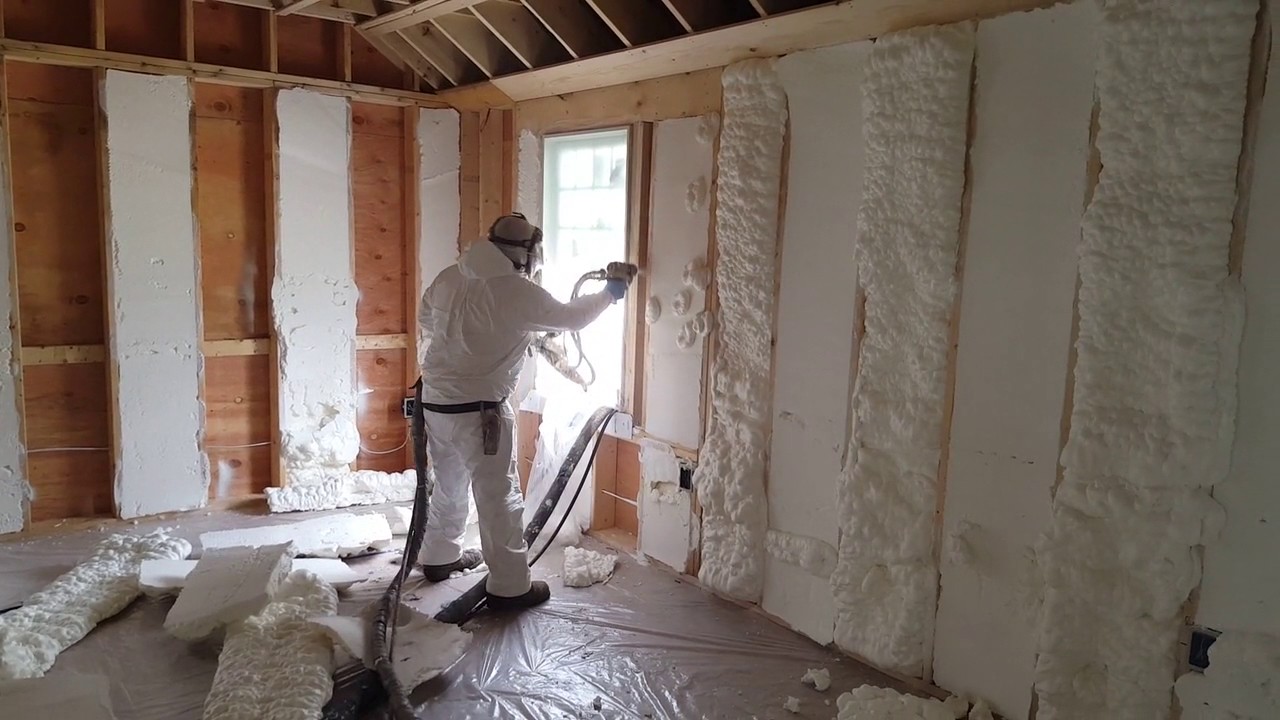
Comparison of Insulation Options for Commercial Upgrades
Property managers compare options based on performance, cost, and disruption. Spray foam often stands out because it combines sealing and insulation in one step.
| Insulation Type | Key Strength | Typical Use in Commercial Buildings |
|---|---|---|
| Fiberglass | Low cost, quick install | Walls and ceilings with accessible cavities |
| Cellulose | Eco friendly, good coverage | Older buildings with irregular spaces |
| Spray foam | Air sealing and insulation | Roofs, walls, and areas with gaps |
Market data shows commercial buildings can lose 20 to 40 percent of conditioned air through leaks. Spray foam reduces this loss by sealing gaps that other insulation types miss.
Why Property Managers Choose Spray Foam for Upgrades
Property managers focus on long term value, not just upfront costs. Spray foam supports this approach through performance and reduced maintenance needs.
Faster Payback Through Energy Control
Buildings with high energy use often see quicker returns on insulation upgrades. Spray foam helps by reducing HVAC runtime and lowering utility costs.
Less Maintenance and Fewer Repairs
Sealed building envelopes reduce moisture and temperature related damage. This can lower repair needs for walls, roofing, and HVAC systems.
Bonus Tips for Better Upgrade Planning
Bonus Tips
- Inspect roof and wall joints before planning upgrades
- Prioritize areas with visible drafts or moisture stains
- Coordinate upgrades with HVAC maintenance schedules
Things to Consider Before Making a Decision
Before selecting spray foam upgrades, property managers should evaluate several factors to ensure the best outcome.
Building Type and Occupancy
Office, retail, and industrial buildings have different usage patterns. Managers should choose insulation that matches occupancy and operational hours.
Existing Building Condition
Older buildings may require air sealing and moisture control before adding insulation. Proper prep work supports long term performance.
Project Timeline and Access
Commercial upgrades may need to fit around tenant schedules. Spray foam can be applied quickly, but access to spaces must be planned.
Questions People Ask About Commercial Spray Foam Upgrades
Can spray foam reduce HVAC costs in large buildings?
Yes. Spray foam reduces air leakage, which helps HVAC systems run more efficiently and maintain stable temperatures.
Is spray foam safe for occupied commercial spaces?
When applied correctly, spray foam can be installed with proper ventilation and timing to limit disruption.
How long does spray foam last in commercial buildings?
Spray foam maintains performance for decades when installed correctly and protected from physical damage.
Does spray foam help with moisture problems in warehouses?
Yes. Spray foam reduces moisture entry through gaps, which helps control humidity and prevents material damage.
What areas should be prioritized for commercial upgrades?
Roofs, exterior walls, and loading dock areas usually deliver the highest energy and comfort improvements.
Summary of Key Points
Commercial spray foam insulation is a common upgrade choice because it improves energy performance, reduces maintenance needs, and supports tenant comfort. Property managers in regions like Raleigh often prioritize upgrades that reduce HVAC strain and control moisture. Spray foam works well in roofs, exterior walls, and high leakage areas where other insulation types fall short.
Next Steps for Property Managers
Property managers seeking guidance on commercial insulation upgrades can consult experienced service providers for assessment and planning. Raleigh Excel Spray Foam Insulation can help property owners evaluate building needs and plan upgrades that match operational goals. They can be contacted at info@raleighexcelsprayfoam.com or (919) 301-9435 for more information and service options.
Author: Edith has extensive experience in residential and commercial property management and is dedicated to helping clients improve energy efficiency, comfort, and indoor air quality through advanced insulation solutions.
Reviewer: With nearly a decade in the spray foam insulation field, William Harris reviewed this post and provided guidance that reflects both technical understanding and real world marketing experience.
